Audio By Vocalize
The question of whether former Deputy President Rigathi Gachagua can contest public office in future elections has sparked online debate following a High Court ruling upholding his impeachment.
While the court affirmed the legality of his removal from office, legal experts argue that the ruling does not automatically lock him out of elective politics.
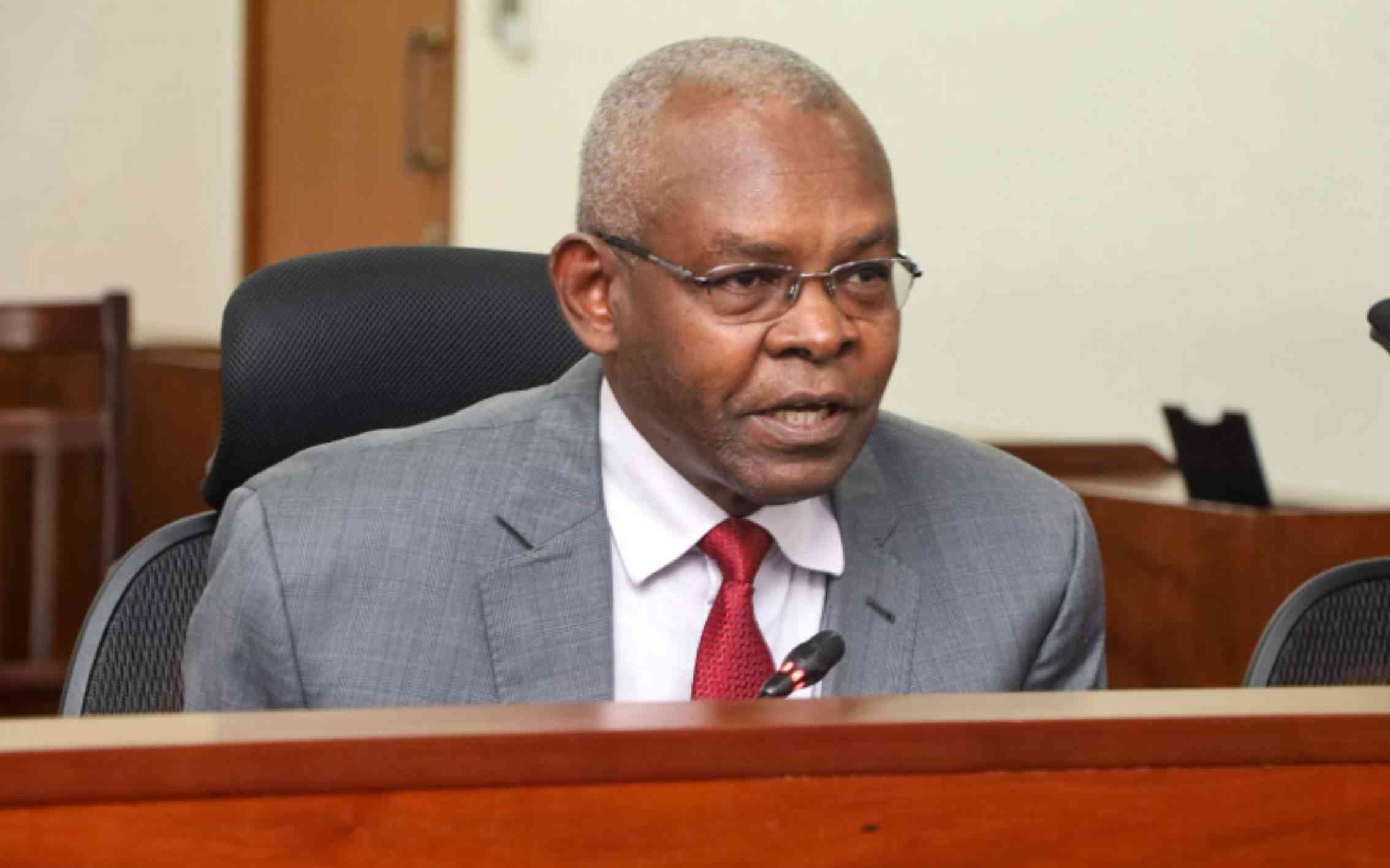
Law Society of Kenya (LSK) President and lawyer Charles Kanjama says Gachagua remains eligible to seek public office and was legally viable even before the High Court delivered its judgment on Monday, June 8.
Citing Article 99(3) of the Constitution, Kanjama explained that ongoing appeals shield a candidate from immediate disqualification.
“So long as you are having an appellate process to challenge the way you are removed from office, you are entitled to continue running for office,” Kanjama told The Standard.
Article 99(3) of the Constitution provides that a person is not disqualified from being elected as a Member of Parliament, despite falling under constitutional disqualification grounds, unless all avenues of appeal or review relating to the relevant decision have been exhausted.
The provision is designed to safeguard political rights by ensuring that individuals are not barred from seeking elective office while court challenges remain active.
In practice, this means a candidate who has been removed from office or affected by a legal decision can continue pursuing political ambitions until the appellate process reaches its conclusion.
In Gachagua’s case, Kanjama says that his appeal may be further strengthened by findings made by the High Court on fair hearing concerns.
According to the lawyer: “The inconsistency on the question of right to a fair hearing and the consequences of the violation of the right to a fair hearing will allow the Court of Appeal or the Supreme Court to clarify the situation."
"The fact that there has been a finding of violation of the right to a fair hearing by the High Court then gives the Court of Appeal greater ability to make a finding in favour of Rigathi Gachagua,” he added.
Echoing similar remarks, Constitutional lawyer Bobby Mkangi says Gachagua remains eligible to contest so long as the legal process has not been fully exhausted by the time candidates are cleared for an election.
“Yes, he can vie for office if he chooses to, and if, by the time the IEBC is declaring candidates, all constitutionally available remedies have not been exhausted if utilised.”
The remarks come a day after Gachagua announced plans to challenge the High Court decision.
Speaking on Tuesday, the former deputy president maintained that the principles of natural justice were disregarded during the proceedings that culminated in his impeachment. He particularly faulted the handling of his case before the Senate, arguing that his right to a fair hearing was violated.
Stay informed. Subscribe to our newsletter
“The long-standing legal principle of natural justice and the right to a fair hearing has been trashed and ignored in broad daylight,” he said.
The planned appeal now shifts attention to higher courts, where judges could ultimately determine not only the legality of Gachagua's impeachment but also settle broader constitutional questions surrounding the consequences of violations of the right to a fair hearing during removal proceedings.
Until that appellate process is concluded, legal experts say the Constitution continues to preserve his eligibility to seek elective office.