×

The Standard e-Paper
Join Thousands Daily
 The Standard Group Plc is a
multi-media organization with investments in media platforms spanning newspaper
print operations, television, radio broadcasting, digital and online services. The
Standard Group is recognized as a leading multi-media house in Kenya with a key
influence in matters of national and international interest.

Audio By Vocalize
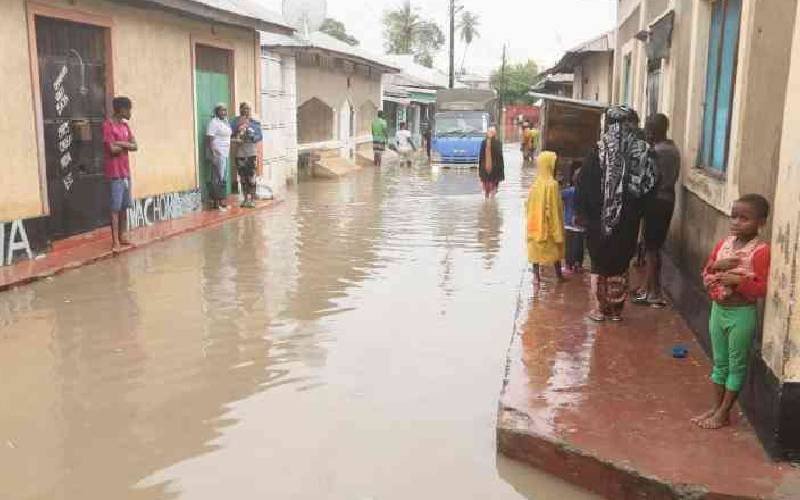
“I received warnings from a local radio station about a week before the rains intensified. A few days later, village elders visited and advised us to move to Shibale Comprehensive School. But the school could not accommodate all the households,” these are words of 62-year-old Margaret Asani as she recounts painful memories of El Nino rains.
Her experience mirrors findings in the latest World Risk Poll report which has exposed major weaknesses in disaster preparedness.
Dubbed ‘From Alert to Agency: What Turns Warnings into Action?’ the survey indicates that although millions of people receive early disaster warnings, they remain unable to take appropriate action.
Published by the Lloyd’s Register Foundation, the report blames poverty, inadequate infrastructure and lack of practical support as major challenges those that cannot protect themselves face.
The findings raise concerns for Kenya as communities in Western Kenya brace for heavy rains and possible flooding, with residents in high-risk areas questioning whether authorities have done enough to help them prepare.
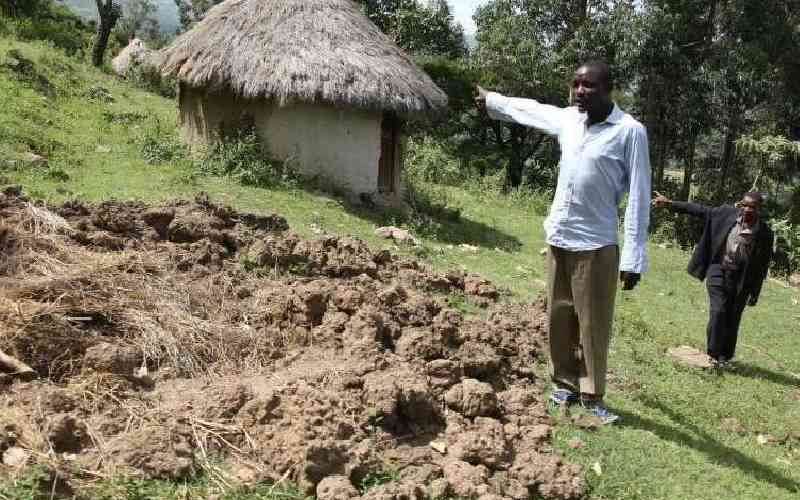
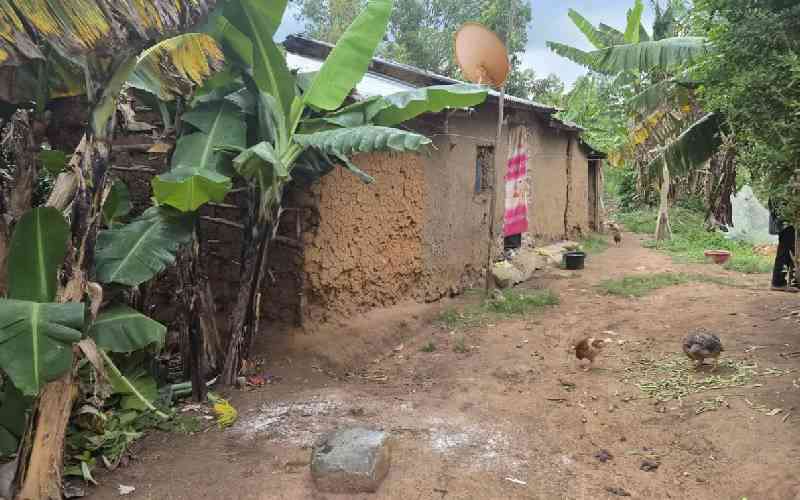
For Ms Asani who hails in Kakamega’s Shibale village in Mumias West Constituency, the mention of El Nino rains has revived painful memories of the 2023-2024 floods that swept away her three-bedroom mud-walled house, destroyed her belongings and displaced her family.
Although she received weather alerts through local radio stations and village administrators, she could not evacuate in time or salvage her property and livestock because she lacked the financial means.
Based on more than 143,000 interviews conducted by Gallup across 140 countries and territories in 2025, the study found that although four in five adults who had experienced disasters received advance warnings, many could not take protective action.
In low and lower-middle-income countries, fewer than half of those who received warnings managed to act, compared to 71 per cent in high-income countries.
The report estimates that nearly 220 million adults worldwide who experienced a disaster in the previous five years received no advance warning.
It also found that adults in low-income countries were almost twice as likely to have experienced a disaster as those in high-income countries, at 31 per cent compared with 16 per cent.
Yet only 64 per cent of affected adults in low-income countries received warnings, against 84 per cent in high-income countries.
The findings expose a widening gap between access to information and the ability to respond, particularly among households that lack transport, money, alternative accommodation and other resources needed to move to safety.
According to the findings, multiple communication channels significantly improved the likelihood of people taking action.
Stay informed. Subscribe to our newsletter
Only 37 per cent of those who received warnings through one channel acted, compared with 51 per cent among those reached through two channels and 64 per cent among those receiving warnings through three channels.
Interestingly, more than three-quarters of people who missed warnings owned mobile phones, suggesting technology could help expand access to emergency information.
However, the report cautions that communication alone cannot guarantee safety.
Nancy Hey, director of evidence and insight at the Lloyd’s Register Foundation Global Safety Evidence Centre, said warnings could only save lives when people were prepared and supported to respond.
“Warnings can save lives when people are ready and supported to act on them, we need to invest in building that readiness, locally, nationally and internationally,” she said.
Household preparedness was also found to influence disaster response. Having a household disaster plan and confidence in one's ability to protect family members was associated with an increase in the proportion of people taking action from 27 per cent to 83 per cent.
The report recommends practical preparedness measures, including identifying evacuation routes, preparing emergency supplies and ensuring families know where to seek assistance when disasters strike.
Dr Andrew Tupper, chief of the Early Warning Services Section at the World Meteorological Organisation, said effective early warning systems must go beyond forecasting and communicating impending disasters.
Authorities must also ensure communities understand the information and have the capacity to respond, particularly those living in vulnerable areas.
The findings come as the United Nations pushes to extend early warning systems to everyone by the end of 2027.
In Kenya, the challenges are evident in communities along River Nzoia, where residents fear another round of flooding could destroy their homes and livelihoods.
Asani says although the county government assisted her in constructing another house after the previous floods, she remains uncertain about where her family would seek refuge if the river bursts its banks again.
“We live along River Nzoia and its waters are rising. We have only been told to be careful and move to safer places. But where are we supposed to go?” she asked.
Her neighbour, Teresa Owuor says floods have damaged her home four times during the 2023-2024 rainy season.
Although the county government helped rebuild it, the mother of four fears the structure could collapse as persistent rainfall softens the surrounding ground.
“We have been told to move to safer places, but we have nowhere to go. I have no money to transport my belongings,” she said.
Owuor has since moved some of her children and remaining possessions to relatives in safer areas in anticipation of possible flooding.
Residents also warn that rising waters push hippos and snakes from River Nzoia into farms and residential areas, exposing children and livestock to danger.
Displacement further increases the risk of malaria, diarrhoeal diseases and other illnesses, particularly where temporary shelters lack adequate sanitation and healthcare.
Similar concerns persist in neighbouring Busia County, particularly in communities along River Sio and its tributaries, including parts of Samia, Busia Central and Malaba South in Teso North.
Communities in Bunyala South, Bunyala Central and Bunyala North remain exposed because of their location on the River Nzoia floodplain.
In Vihiga County, residents of Chango village in Sabatia Constituency fear landslides and mudslides associated with heavy rainfall on the Maragoli Hills.
James Akidiva, whose house was destroyed by mudslides two years ago, says repeated weather warnings have not been matched by tangible interventions to relocate vulnerable households.
“Two years ago, mudslides destroyed my house, and a good Samaritan helped me. This time, despite repeated warnings through radio and television, we still have nowhere else to go,” he said.
Residents have also questioned the state of drainage infrastructure, particularly along major roads in Kakamega County.
John Avisa says blocked drainage channels along the Mumias-Kakamega and Kakamega-Webuye roads cause water to stagnate and spill into markets and neighbouring homes whenever it rains.
Governor Fernandes Barasa, however, said the county has put measures in place to protect residents in flood-prone areas and was working with the national government to respond to the expected rains.
He said emergency response officers, equipment and resources had been deployed, with plans to provide food, medical assistance, mosquito nets and other essential supplies to affected households.
Barasa urged artisanal miners in Ikolomani, Shinyalu and Lurambi to temporarily suspend mining activities, warning that heavy rainfall could destabilise mine walls and tunnels, resulting in injuries and deaths.
His sentiments are echoed by county director of meteorological services Vincent Sakwa who urged residents in riverine and hilly areas to follow weather advisories to minimise loss of lives and property.
Subscribe to our newsletter and stay updated on the latest developments and special offers!


 Prefer the Standard on Google