×

The Standard e-Paper
Smart Minds Choose Us
 The Standard Group Plc is a
multi-media organization with investments in media platforms spanning newspaper
print operations, television, radio broadcasting, digital and online services. The
Standard Group is recognized as a leading multi-media house in Kenya with a key
influence in matters of national and international interest.
The Standard Group Plc is a
multi-media organization with investments in media platforms spanning newspaper
print operations, television, radio broadcasting, digital and online services. The
Standard Group is recognized as a leading multi-media house in Kenya with a key
influence in matters of national and international interest.

Audio By Vocalize
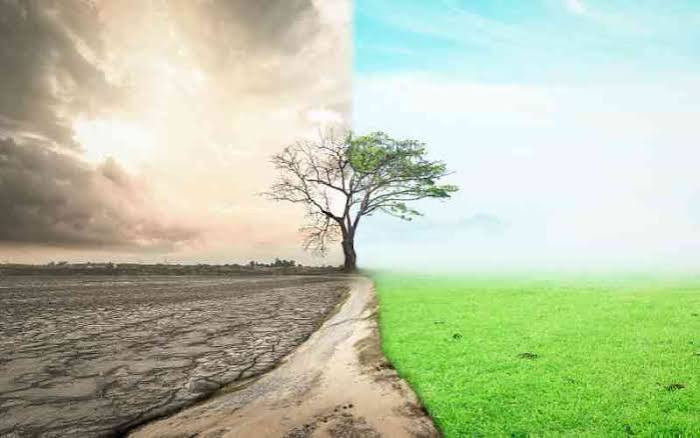
Climate change stakeholders are meeting in Kitale, Trans-Nzoia County, for a three-day national campaign aimed at promoting climate literacy, policy innovation and community-led action on climate change.
The National Climate Literacy Campaign 2026 brings together learners, teachers, youth, community groups, government agencies, development partners, civil society organisations, innovators, private-sector players and climate practitioners.
The campaign seeks to demonstrate how climate knowledge can be translated into practical action, environmental conservation and sustainable livelihoods.
The forum has brought together policy experts and climate-smart champions to develop a blueprint that will support practical climate solutions, climate literacy programmes and environmental education at the community level.
It has also provided an opportunity for youth climate enthusiasts to engage in policy dialogue, exhibitions and demonstrations on climate innovation. Participating counties are showcasing initiatives aimed at strengthening environmental resilience and climate literacy among local communities.
The Trans-Nzoia County Government has partnered with Dorcas Wamalwa, founder and programme lead of Community Integrated Strategies for Climate Adaptation and Resilience (CISCAR), to promote environmental resilience and climate literacy.
The partnership seeks to support the development of a unified framework for ecosystem conservation, green innovation and community-led sustainability across targeted counties.
Wamalwa said there is a significant information gap on environmental and climate change issues, leaving many communities vulnerable to the effects of a changing climate.
“We have brought together all stakeholders in this new phenomenon affecting us to dialogue and find sustainable solutions to current and future climate change. This is a dire need that has also made us establish this platform for peer-to-peer engagement,” she said.
She said experts are engaging different groups to train community members and young people through structured collaboration between government agencies and non-state actors.
According to Wamalwa, the summit will culminate in environmental advocacy activities, interactive workshops and climate demonstration sessions designed to mobilise public participation, promote green innovation and launch community-driven climate campaigns.
Trans-Nzoia County Executive Committee Member for Water and Environment Robert Wamalwa said enhancing climate literacy would strengthen local conservation efforts, water catchment protection and sustainable land management.
He said equipping residents with practical climate knowledge was critical to protecting natural resources, building resilience to changing weather patterns and securing sustainable agricultural livelihoods.
“This is a great platform for all of us, especially the young people, to engage and prioritise locally led action, empowering communities and young people to champion green enterprises, eco-innovation and practical climate solutions,” he said.
Stay informed. Subscribe to our newsletter
Under the slogan “Climate Literacy for Climate Action and Livelihoods,” CISCAR is also seeking to ensure that environmental education translates into economic and community resilience.
Through tailored climate literacy programmes, people living with disabilities and other special groups will be equipped with knowledge and tools for sustainable farming, environmental stewardship and eco-friendly income-generating activities.
Key stakeholders at the summit include the Kenya Forest Service, Manor House Agricultural Centre, Ward Climate Change Planning Committees and various conservation groups.
The stakeholders are expected to align strategies and coordinate resources to support forestry, agricultural education and climate change initiatives.
“We are also helping groups and community members to understand how to develop proposals and funding documents for climate mitigation programmes,” Wamalwa added.
Participants from different parts of the country said they would take the knowledge and innovations gained at the summit back to their communities.
Marium Salim, a climate champion from Mombasa, said the campaign was an important opportunity to understand different ecosystems and the climate challenges facing the country.
“We are going to disseminate the knowledge back home to ensure we improve our climate in Mombasa. This is a platform for us to exchange ideas and innovations on climate,” she said.
Marion Mutoko showcased green-energy and climate-action innovations that can be adopted by communities living around wetlands and water towers.
“We have come here to exchange knowledge. As we teach others about the ocean in Mombasa, we have also come to learn about the ecosystem here and its challenges,” she said.
The forum comes as the Ministry of Environment works to develop a one-stop, locally tailored climate information database for farmers across the country.
The proposed platform is expected to make relevant climate information more accessible to farmers and other stakeholders in the food-production sector.
Wamalwa said the initiative was necessary as the world undergoes rapid technological and environmental changes.
“The world is changing so fast and the technological divide between us and developed countries is widening. If we don’t step up, we will be left behind. That is why CCD is making this effort to ensure everyone is on board and gets the right information for public consumption,” she said.
Subscribe to our newsletter and stay updated on the latest developments and special offers!


 Prefer the Standard on Google