×

The Standard e-Paper
Join Thousands Daily
 The Standard Group Plc is a
multi-media organization with investments in media platforms spanning newspaper
print operations, television, radio broadcasting, digital and online services. The
Standard Group is recognized as a leading multi-media house in Kenya with a key
influence in matters of national and international interest.
The Standard Group Plc is a
multi-media organization with investments in media platforms spanning newspaper
print operations, television, radio broadcasting, digital and online services. The
Standard Group is recognized as a leading multi-media house in Kenya with a key
influence in matters of national and international interest.

Audio By Vocalize
For some Kenyan secondary school students, finishing school means more than joining college or finding work at home. It can mark the beginning of a journey abroad in search of what they see as a better life.
Images and videos on social media can make life overseas appear prosperous, convincing some young people that jobs, higher incomes and easier opportunities await them outside Kenya.
At Ruai Girls, teacher Everlyne Amalemba says some students view migration as a route to ‘greener pastures’.
“Most of the students used to believe that there are greener pastures, and therefore they believe that the moment they finish school, they will an opportunity, go out there, work, hustle, get money, and settle down,” Amalemba says.
She says migration lessons help students question assumptions by highlighting the risks of irregular migration and routes available to those seeking opportunities abroad.
The lessons are part of SAFE-MIT (A Shared Foundation to Protect Against Risks of Irregular Migration and Trafficking), an initiative designed to help young people recognise misinformation, trafficking risks and illegal migration routes.
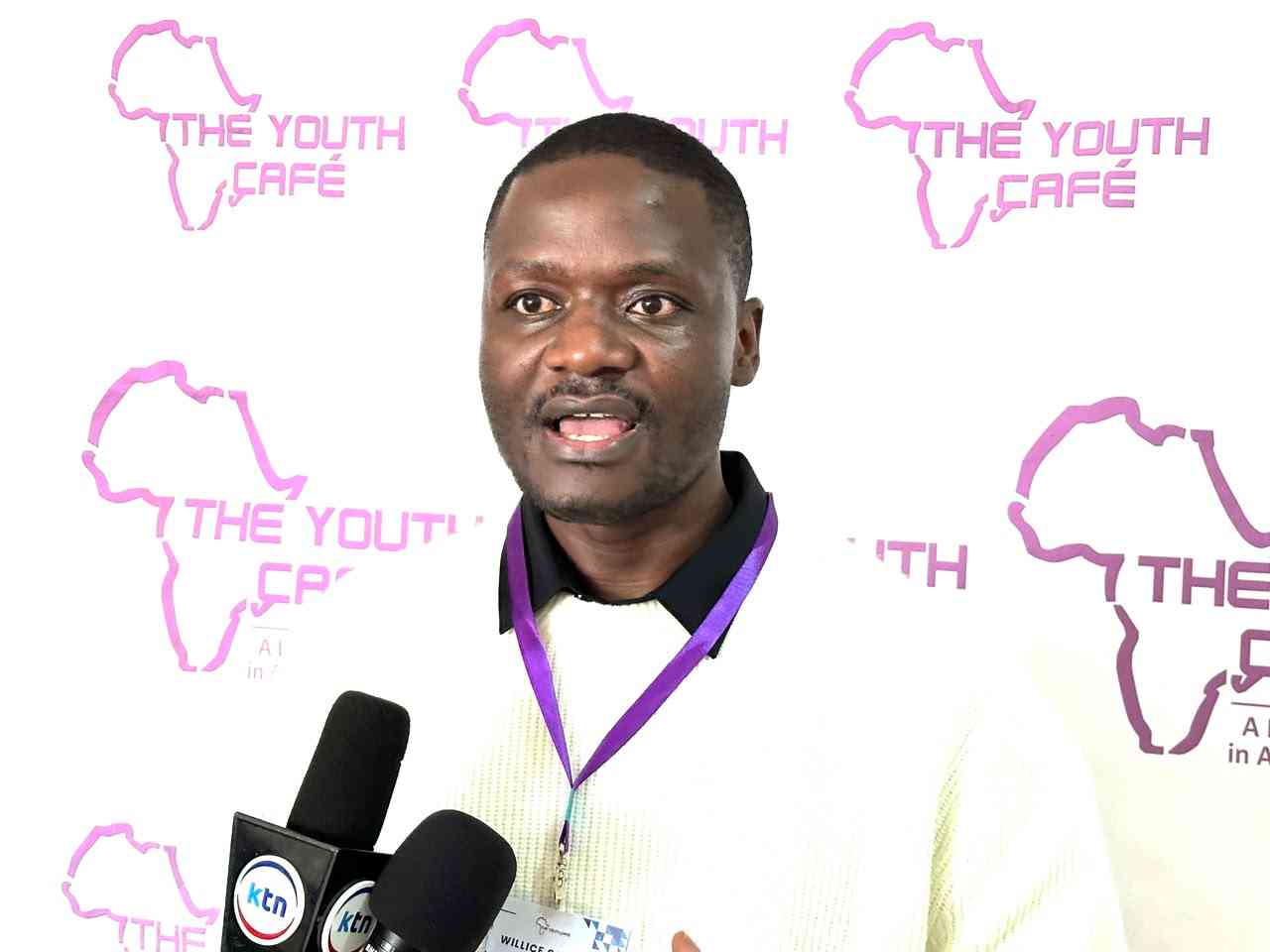
Speaking during the SAFE-MIT National Learning Event at the University of Nairobi yesterday, The Youth Cafe (TYC) Executive Director Willice Onyango says social media can reinforce people’s idealised view of life abroad.
He says the programme uses classroom activities and an educational escape game to encourage students to question migration information rather than accepting what they see online.
“Before the training, they glorified moving abroad. After the training, they have a balanced view,” he says.
SAFE-MIT has reached 28,625 students in 156 schools across Kenya and trained 306 teachers, according to project figures.
The programme uses an escape game that puts students aged 13 to 18 in simulated migration scenarios, requiring them to identify misinformation, understand smugglers’ and traffickers’ tactics, and consider legal alternatives.
Onyango says economic pressure, family expectations and misinformation influence migration decisions. He says recruitment agents can exploit these perceptions by promising jobs and better lives overseas without disclosing risks or legal requirements.
Moses Kipkorir, a senior assistant secretary in the State Department for Immigration, urges people to verify information before travelling abroad.
Department of Refugee Services urges young people to verify information before travelling.
“Youth can transform their lives right here at home. Always seek the right channels and verify who you are dealing with. There is so much exploitation out there,” said Kipkorir
Stay informed. Subscribe to our newsletter
SAFE-MIT is funded by the European Union and contracted by the International Centre for Migration Policy Development. The project operates in four countries: Kenya, Morocco, Senegal and Nigeria.
Subscribe to our newsletter and stay updated on the latest developments and special offers!

 Prefer the Standard on Google







 join
join