×
App Icon
The Standard e-Paper
Home To Bold Columnists

★★★★ - on Play Store
Download App

Kenya's horticulture exporters turn to new markets as EU tighten rules

Vocalize Pre-Player Loader

Audio By Vocalize

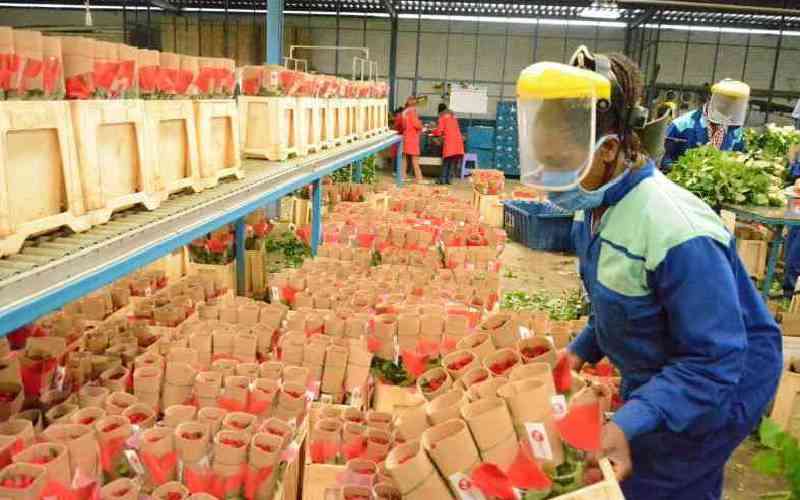
A worker from Naivasha based Maridadi flower farm works on roses for exports on 11/2/21 ahead of Valentine which will be marked on Sunday. Despite the Covid-19 regulations in Europe, the demand for the roses has shot up compared to last year despite the negative effects of the pandemic on the sector. [Antony Gitonga]

Kenya’s horticulture exporters are increasingly exploring alternative markets in Asia, the Middle East, and Eastern Europe as trading with the European Union becomes more complex and costly.

Europe remains Kenya’s largest and most profitable destination for flowers, fruits, and vegetables. However, stricter rules on plant health, pesticide use, and environmental compliance have raised operational costs for exporters and made market access more challenging. As a result, many exporters are diversifying their destinations to reduce risk and protect earnings.

According to Agriculture and Food Authority (AFA) Director General Dr Bruno Linyiru, the shift reflects both necessity and long-term strategy.

“Europe will continue to be a premium market for Kenyan horticulture, but exporters must diversify to remain competitive and manage emerging risks,” said Dr. Linyiru. “New markets are not replacing Europe; they are complementing it.”

Tighter EU regulations have resulted in shipment delays, higher compliance costs, and export rejections, particularly in the flower subsector, which accounts for about half of Kenya’s horticulture export earnings. In 2024, stricter measures targeting pest control led to increased inspections and several rejected shipments, affecting millions of flower stems and resulting in significant financial losses for exporters.

“Every rejected consignment represents lost production, logistics costs, and market confidence,” Dr. Linyiru noted. “That is why exporters are investing more in compliance while simultaneously seeking new destinations.”

Although Europe still accounts for about 80 per cent of Kenya’s horticultural exports, shipments to markets such as Kazakhstan, China, and Turkey have grown steadily from 2020 to 2023. Some traditional European markets, including France, have also recorded growth despite tighter regulatory requirements.

Middle Eastern markets are increasingly important for exporters seeking alternatives to slower-growing European destinations. Countries such as the United Arab Emirates, Qatar, and Oman are experiencing rising demand for fresh produce driven by population growth and higher incomes.

To meet EU standards, growers have invested heavily in insect-proof greenhouses, improved pest monitoring systems, and staff training. While these measures have enhanced quality and traceability, they have also increased production costs and reduced profit margins.

The vegetable subsector has faced the greatest pressure, with export earnings declining in 2024 due to increased interceptions linked to pesticide residue levels, particularly in French beans and snow peas. Higher inspection rates have slowed shipments and increased rejection risks.

In contrast, the fruits subsector performed strongly, supported by strong global demand for fresh Hass avocados. Fruits now account for about 30 per cent of horticultural export earnings and have helped stabilise the industry because they face fewer regulatory challenges.

Europe nevertheless remains Kenya’s primary market overall, with the Netherlands and the United Kingdom leading as key destinations.

Government initiatives are also supporting diversification efforts. During a recent visit to Malaysia, William Ruto announced trade agreements that include the removal of tariffs on Kenyan agricultural products, opening new opportunities for exporters.

Improved infrastructure is further supporting the shift. The Port of Mombasa handled increased volumes of refrigerated containers in 2024, reflecting the growing use of sea freight for fresh produce. The Kenya Ports Authority has also expanded cold storage facilities in Mombasa, Nairobi, Lamu, and Naivasha to support export growth.

Dr Linyiru emphasised that diversification is now essential for long-term stability.

“The future of Kenya’s horticulture sector lies in maintaining quality while expanding market access,” he said. “Exporters must be agile enough to meet different standards across markets while protecting Kenya’s reputation as a reliable supplier.”

Overall, Kenya’s horticulture industry is gradually moving away from heavy reliance on Europe toward a more diversified global footprint, with the key challenge remaining competitiveness, compliance, and consistent quality across emerging export destinations.

Support Independent Journalism

Stand With Bold Journalism.
Stand With The Standard.

Journalism can't be free because the truth demands investment. At The Standard, we invest time, courage and skills to bring you accurate, factual and impactful stories. Subscribe today and stand with us in the pursuit of credible journalism.

Pay via
M - PESA
VISA
Airtel Money
Secure Payment Kenya's most trusted newsroom since 1902