×

The Standard e-Paper
Kenya’s Boldest Voice
 The Standard Group Plc is a
multi-media organization with investments in media platforms spanning newspaper
print operations, television, radio broadcasting, digital and online services. The
Standard Group is recognized as a leading multi-media house in Kenya with a key
influence in matters of national and international interest.
The Standard Group Plc is a
multi-media organization with investments in media platforms spanning newspaper
print operations, television, radio broadcasting, digital and online services. The
Standard Group is recognized as a leading multi-media house in Kenya with a key
influence in matters of national and international interest.

Audio By Vocalize
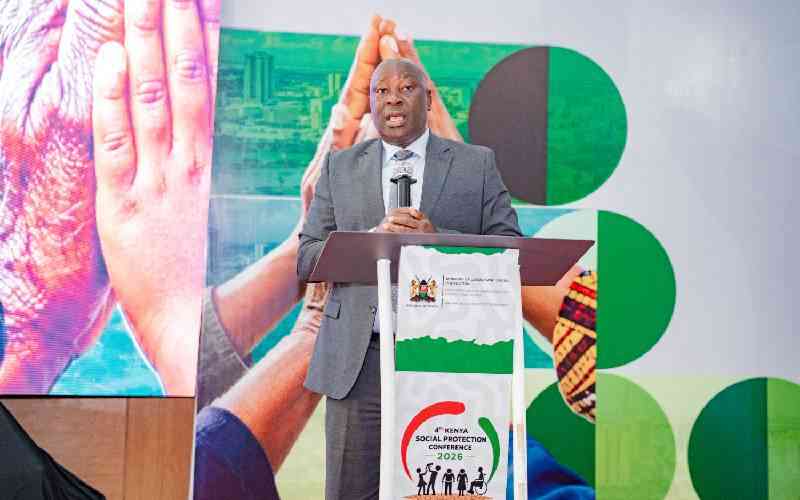
The number of households benefiting from the Inua Jamii programme is set to increase to 2.5 million as Kenya moves to expand social assistance and establish a Social Protection Fund to provide more predictable financing for vulnerable households.
The programme has grown from 1.2 million to 1.7 million households, while annual domestic spending on social protection has increased from Sh4.3 billion to nearly Sh40 billion.
Principal Secretary for Social Protection and Senior Citizen Affairs Joseph Motari said the next phase of social protection will focus on helping households move from vulnerability to resilience and, where possible, economic opportunity.
He said cash transfers should be linked to skills, savings, financial inclusion and access to markets to enable beneficiaries to build sustainable livelihoods instead of relying solely on consumption support.
“Cash transfers, when linked to skills, savings, financial inclusion, and market access, can achieve more than consumption support,” he said.
Motari said Kenya must also develop a social protection system capable of responding to economic and climate-related shocks before they deepen poverty.
“With climate risks becoming more frequent, we must connect early warning, vulnerability data, financing, and delivery systems.”
He said the Kenya Kwanza Government would safeguard social protection financing during times of crisis to ensure vulnerable households receive timely support when they need it most.
“Our goal is a financing system that is predictable, resilient, and flexible enough to respond to changing risks and protect lives and livelihoods.”
The PS said the country also needed to move away from fragmented programmes and build one coherent system around household needs, with stronger national-county coordination, interoperable information systems and referral mechanisms across health, education, nutrition, disability, livelihoods and disaster response.
“The changing nature of work demands new approaches. With many Kenyans in informal or irregular work, social protection must connect to skills, apprenticeships, entrepreneurship, savings, insurance, and productive assets."
The PS said that persons with disabilities should also have greater opportunities for productive participation, while social protection programmes should be connected to employment and livelihood opportunities and called for stronger cooperation between the national and county governments, development partners, private sector, civil society, communities and citizens in delivering social protection services.
Principal Secretary for Children Services Caren Ogonga called for stronger child protection systems and coordinated action to protect children from violence, abuse, neglect and exploitation.
Ms Ogonga said child protection should be strengthened as part of broader efforts to ensure vulnerable children and families can access appropriate services and support.
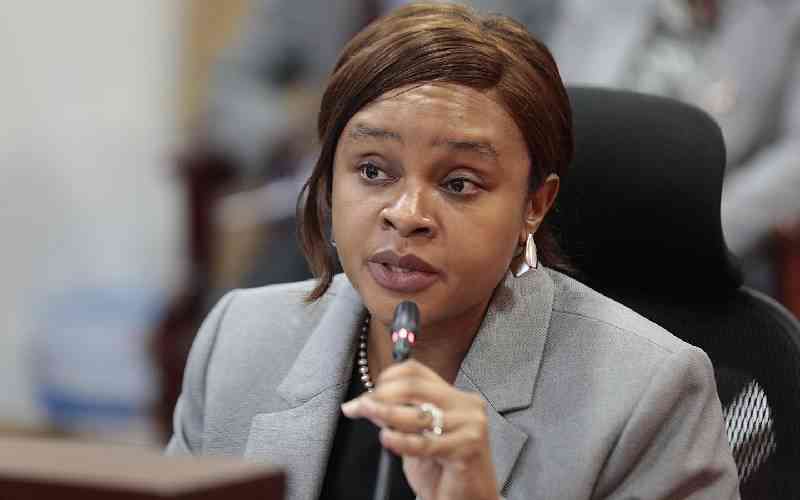
The proposed Social Protection Fund received backing from Parliament, with Thika Town MP Alice Ng’ang’a saying the Departmental Committee on Social Protection would support the allocation of budgetary resources needed to capitalise and operationalise it.
Stay informed. Subscribe to our newsletter
“I want to make a commitment regarding the Social Protection Fund, as a Committee, we will work with the Government and relevant stakeholders to support the allocation of the necessary budgetary resources to capitalise the Fund and expedite its operationalisation,” she said.
“This is important because sustainable financing will enable us to make the indexation of social protection benefits more predictable, strengthen the adequacy of benefits and provide a more reliable framework for expanding coverage.”
The MP said Parliament’s role would not end with passing laws, but would include ensuring that legislation translates into tangible improvements in the lives of vulnerable Kenyans.
“Our responsibility does not end with the passage of legislation. Our responsibility is also to ensure that the laws we pass are translated into tangible improvements in the lives of Kenyans,” she said.
She said regulations required to operationalise the Persons with Disabilities Act, 2025, were at the public participation stage and pledged that the committee would move with speed once they were formally presented to Parliament.
“Persons with disabilities must therefore be able to see and experience the practical benefits of the legal protections and rights that Parliament has established,” she said.
The reforms come as Kenya seeks to build a more integrated social protection system covering risks across the life cycle.
In recent years, the country has adopted the Social Protection Policy 2023, Persons with Disabilities National Policy 2024, Social Protection Act 2025, Persons with Disabilities Act 2025 and Social Protection Regulations 2026.
Ms Ng’ang’a also cited health sector reforms, including the Primary Health Care Act, Social Health Insurance Act, Digital Health Act and Facilities Improvement Financing Act, all enacted in 2023, as complementary measures in protecting citizens against social and economic risks.
The commitments were made during the closing of the fourth Kenya Social Protection Conference at the Kenya School of Government in Nairobi.
Subscribe to our newsletter and stay updated on the latest developments and special offers!


 Prefer the Standard on Google






 join
join