×

The Standard e-Paper
Fearless, Trusted News
 The Standard Group Plc is a
multi-media organization with investments in media platforms spanning newspaper
print operations, television, radio broadcasting, digital and online services. The
Standard Group is recognized as a leading multi-media house in Kenya with a key
influence in matters of national and international interest.
The Standard Group Plc is a
multi-media organization with investments in media platforms spanning newspaper
print operations, television, radio broadcasting, digital and online services. The
Standard Group is recognized as a leading multi-media house in Kenya with a key
influence in matters of national and international interest.

Audio By Vocalize
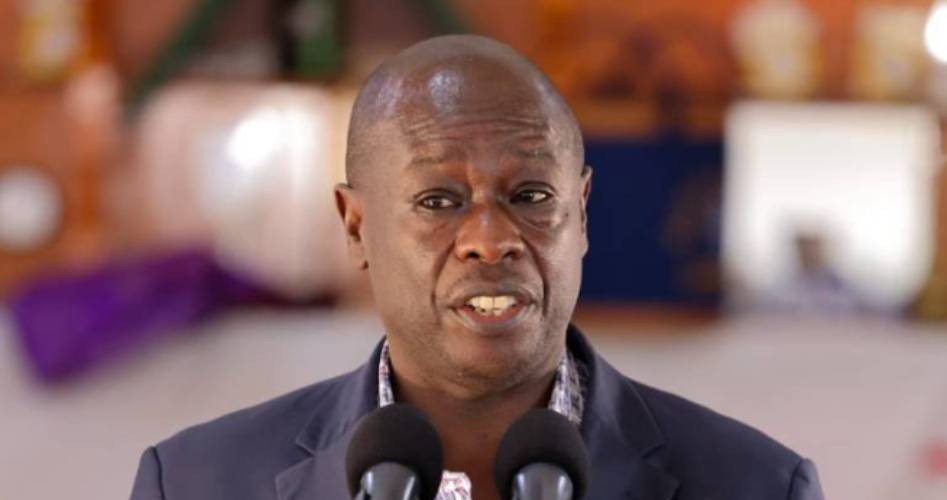
Former Deputy President Rigathi Gachagua skipped his own landmark court ruling on Monday, June 8, watching from his Karen home alongside his wife Dorcas, opposition politicians Kalonzo Musyoka and Eugene Wamalwa.
His absence was notable given that the day before, Gachagua had told a church service at PCEA Karen that he was braced for any outcome.
"I was removed from office against the law and the Constitution. The case has been heard and the verdict is tomorrow, we are ready for any outcome," he said.
Court officials said they had received reports that his supporters would flock the area around Milimani Law Courts, where a bench comprising Justices Eric Ogola, Anthony Mrima and Freda Mugambi delivered the ruling nearly 20 months after Gachagua became the first deputy president in Kenya's history to be removed through the constitutional impeachment process.
The application for adjournment had been filed by lawyer Harrison Kinyanjui, representing petitioner Enock Aura, whose case formed part of the consolidated petitions challenging Gachagua's removal.
Gachagua's petition argues that his impeachment was unconstitutional, citing denial of a fair hearing and failure by the proceedings to meet the constitutional threshold required for removal.
The National Assembly impeached Gachagua on October 8, 2024. The Senate upheld his removal on October 17, having considered 11 charges grouped under three broad categories: gross violation of the constitution, commission of crimes under national and international law, and gross misconduct.
Under the constitutional violations category, lawmakers accused him of breaching integrity and national values provisions, undermining devolution and the independence of the Judiciary, and failing to meet the leadership and integrity standards under Chapter Six of the constitution.
On crimes under national and international law, Gachagua was accused of violating the National Cohesion and Integration Act through conduct said to promote ethnic division, and of corruption and economic crimes under the Anti-Corruption and Economic Crimes Act and the Proceeds of Crime and Anti-Money Laundering Act.
Among the most serious allegations was that he acquired unexplained wealth of Sh5.2 billion within two years.
The gross misconduct charges centred on allegations of promoting tribalism and divisive politics through ethnic-based mobilisation and favouritism.





Subscribe to our newsletter and stay updated on the latest developments and special offers!







 join
join