×

The Standard e-Paper
Stay Informed, Even Offline
 The Standard Group Plc is a
multi-media organization with investments in media platforms spanning newspaper
print operations, television, radio broadcasting, digital and online services. The
Standard Group is recognized as a leading multi-media house in Kenya with a key
influence in matters of national and international interest.
The Standard Group Plc is a
multi-media organization with investments in media platforms spanning newspaper
print operations, television, radio broadcasting, digital and online services. The
Standard Group is recognized as a leading multi-media house in Kenya with a key
influence in matters of national and international interest.

Audio By Vocalize
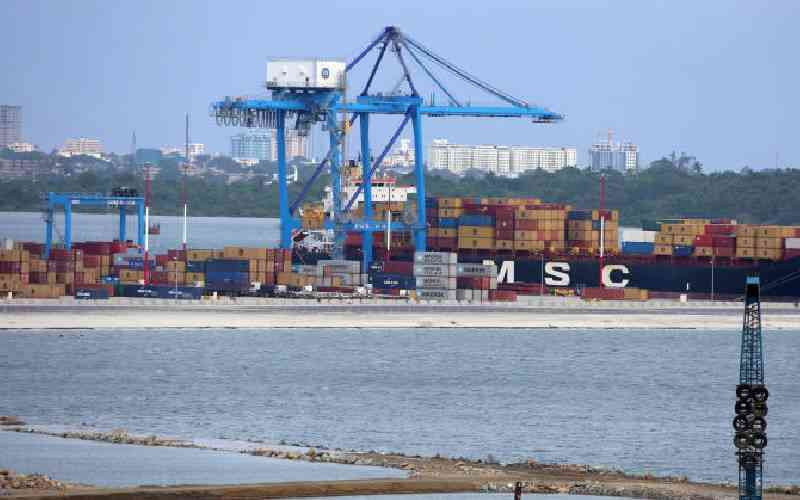
The Kenya Revenue Authority (KRA) has defended its decision to raise the customs benchmark for containerised consolidated cargo from Sh2.5 million to Sh3.2 million, saying the review is necessary to curb revenue leakages while supporting small-scale traders.
The revised minimum yield took effect on August 21, 2026, following consultations with industry stakeholders and a one-month grace period requested by traders to prepare for the new requirements.
KRA said cargo consolidation remains an important avenue for small-scale traders to combine shipments in a single container, reducing the cost and administrative burden associated with international trade.
The Authority, however, clarified that the Sh3.2 million figure does not represent the actual tax liability for goods contained in a particular shipment.
Instead, the minimum yield is a risk-management reference used under the simplified customs clearance arrangement for containers carrying commonly imported general goods.
“The minimum yield is not a representation of the actual tax liability for the goods contained in a container,” KRA said in a statement issued by the Commissioner for Customs and Border Control.
The Authority explained that customs duty is assessed in accordance with the East African Community Customs Management Act and is generally based on the transaction value of imported goods, supported by proper commercial documentation.
The actual tax payable depends on factors including the nature, value and classification of the goods, as well as freight, insurance and other applicable considerations.
KRA said the minimum yield had last been reviewed during the 2022/23 financial year. Since then, significant changes in the operating environment, including exchange rates, freight costs and national and East African Community tax laws, had necessitated a review.
The Authority said the review was conducted in consultation with industry stakeholders before the revised benchmark was introduced.
KRA also maintained that traders who do not wish to use the simplified consolidation arrangement can opt for individual customs verification and assessment based on the actual contents and correct customs value of their goods.
Alternatively, traders can de-consolidate cargo into individual consignments, allowing each importer to make a separate declaration and pay the applicable taxes directly to KRA.
The Authority said it would continue supporting small-scale traders and legitimate businesses while taking measures to prevent abuse of customs procedures and protect government revenue.
Subscribe to our newsletter and stay updated on the latest developments and special offers!


 Prefer the Standard on Google









 join
join