×

The Standard e-Paper
Join Thousands Daily
 The Standard Group Plc is a
multi-media organization with investments in media platforms spanning newspaper
print operations, television, radio broadcasting, digital and online services. The
Standard Group is recognized as a leading multi-media house in Kenya with a key
influence in matters of national and international interest.
The Standard Group Plc is a
multi-media organization with investments in media platforms spanning newspaper
print operations, television, radio broadcasting, digital and online services. The
Standard Group is recognized as a leading multi-media house in Kenya with a key
influence in matters of national and international interest.
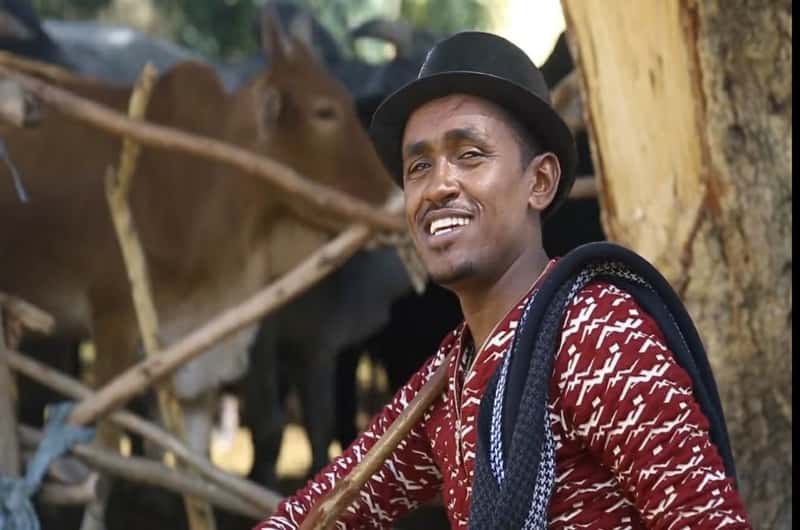
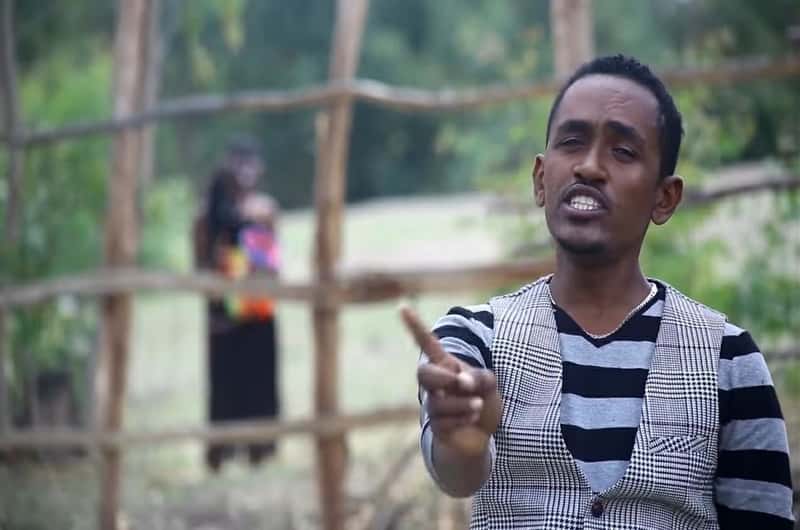
Even to those who don’t understand the Oromo language, Haacaaluu Hundeessaa’s voice was a soft warm breeze through the ears and straight to the heart. Although famed for beautiful melodies from his songs, his voice and jerky dances of the Oromo culture, it is the political and revolutionary lyrics that set the late 34-year-old singer-songwriter from the rest in Ethiopia.
For a country plagued with ethnic clashes and inequality, Ethiopia has come a long way. When other revolutions were led by politicians and rebels, Ethiopia’s prime custodians of change in the past decade fought through music and art.
Coming from the ethnic majority yet the most oppressed Community in Ethiopia, Hundeessaa was the central tune of the wave of change that fought for the rights of the Oromo-an ethnic majority making up 34.5 per cent of the population and has for centuries suffered through executions, forced conscriptions, imprisonment, torture and being driven out of their lands.
In recent years the community has been largely excluded from the country’s political process and economic development of Addis Ababa which lies in the heart of Oromia region.
In 2016, the government of former Prime Minister Hailemariam Desalegn proposed what they called “The master Plan” which would see 1.1 million hectares of land taken from Oromo farmers with little or no compensation to fall under the hands of Addis Ababa administration for ‘expansion’.
Demonstration on the illegal move intended by the government in 2016 led to the death of 150 protestors and the arrest of 5,000.
For a community that has historically been divided by the authorities, arrested for speaking or teaching their language in public in the late 20th century and much of their culture buried deep in the bloody history of the 19th century, musicians and artists have played a pivotal role in the last decade to see the people who were once silenced have a voice; no matter how small.
In October of 2017, the grandest Oromo concert witnessed till date was organized in Addis Ababa. As kaleidoscopic lights flooded the stage and the ground trembled under the thumping feet of the thousands of fans, much of the exuberance was not out of music.
The concert represented more than the flaring beats, dances or the fundraiser intended to help the 700,000 Oromo refugees displaced in the East. It was a political statement and a bold awakening of the conscious of the Oromo people who had for ages received the official narrative of their history and not the truth of their suffering and relationship to power.

Subscribe to our newsletter and stay updated on the latest developments and special offers!







 join
join