×

The Standard e-Paper
Fearless, Trusted News
 The Standard Group Plc is a
multi-media organization with investments in media platforms spanning newspaper
print operations, television, radio broadcasting, digital and online services. The
Standard Group is recognized as a leading multi-media house in Kenya with a key
influence in matters of national and international interest.
The Standard Group Plc is a
multi-media organization with investments in media platforms spanning newspaper
print operations, television, radio broadcasting, digital and online services. The
Standard Group is recognized as a leading multi-media house in Kenya with a key
influence in matters of national and international interest.
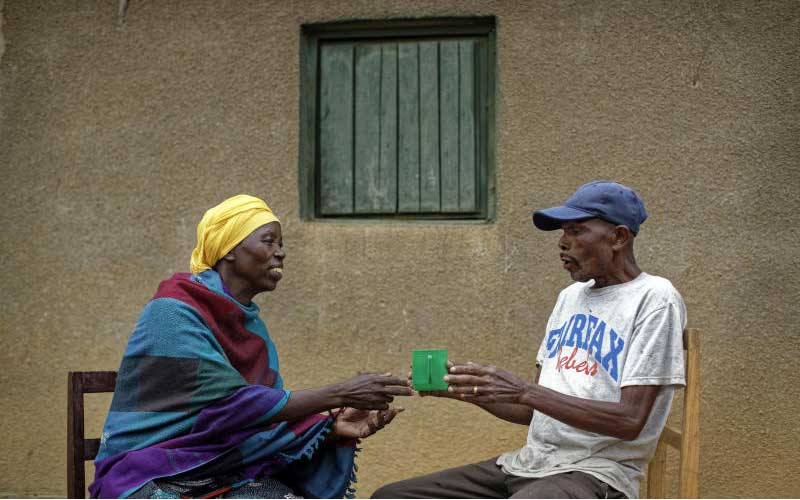
Elie* is in his early 20s and lives with his mother in a rural area of central Rwanda. His mother is one of the estimated 350,000 women who were raped during the 1994 Rwandan genocide and Elie is the child she bore from that assault. The aftermaths of the Rwandan genocide are alive in people like Elie, whose (mostly Hutu) fathers raped their (mostly Tutsi) mothers as part of the systematic, government-led campaign of violence. More than 20 years have now passed since the genocide, but its legacies — including this sexual violence — are still unfolding in Rwandans’ everyday lives.
How do families like Elie’s that are formed from violence decide what to say and leave unsaid? Is it always good to talk about violent pasts?
Subscribe to our newsletter and stay updated on the latest developments and special offers!







 join
join