×
App Icon
The Standard e-Paper
Read Offline Anywhere
★★★★ - on Play Store
Download Now

Hidden cost of chasing the 'perfect body'

Hidden cost of chasing the 'perfect body'
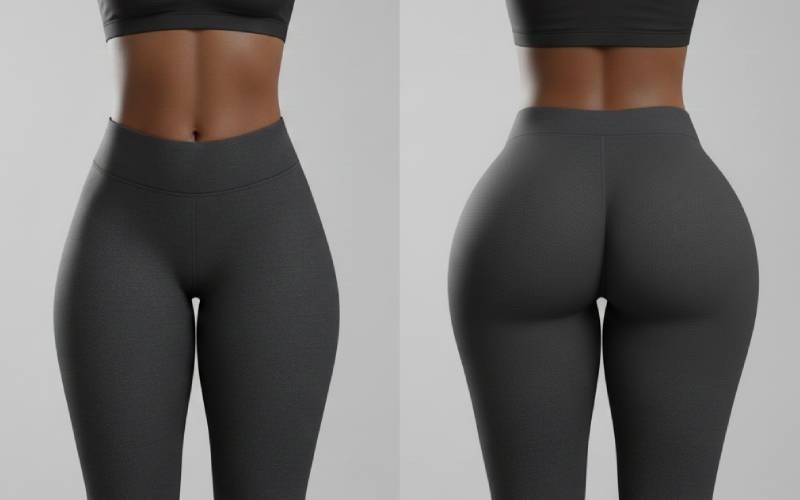
Hidden cost of chasing the 'perfect body' (Photo: Gemini)

When Zuri, 24, first saw her “after” photos, with her hourglass waist and perfectly sculpted curves, she felt an overwhelming sense of pride. For the first time in her life, she felt she had what she’d always wanted: the “perfect body.” But what Zuri didn’t expect was how that new body would make her feel. Behind the initial euphoria came unbearable pain, sleepless nights and growing anxiety.

“I thought I’d feel more confident. But the pain, the constant discomfort… I was scared I’d never be the same again,” she recalls quietly.

Zuri’s story mirrors that of many young women across Kenya, who are increasingly turning to the Brazilian Butt Lift (BBL) in hopes of gaining confidence, fitting into societal beauty standards and improving their lives.

The promise is simple: a fuller, more defined shape, all achieved through a single procedure. But behind the glamour and glowing social media photos lies a reality that many are reluctant to talk about: BBLs come with both physical and psychological risks, which often go unspoken.


The BBL procedure involves harvesting fat from areas like the thighs, stomach, or waist and transferring it into the buttocks. In theory, it’s marketed as a “natural” way to sculpt a fuller figure, using the body’s own fat rather than implants. But despite the seemingly harmless appeal, this trend has begun to raise alarms in the medical and psychological communities alike.

Carolyne Karanja, a Kiambu-based psychologist, has worked with many women who feel pressured to conform to unrealistic body ideals.

“When a woman chooses to alter her body, it’s never just about appearance,” Karanja explains. “It’s about deeper issues of belonging, identity, and self-worth. These pressures are internalised long before the scalpel comes into play.”

Women like Zuri are often responding to an overwhelming sense of social pressure, one that glorifies certain body types, especially curvier ones, on social media. Celebrities and influencers flaunting their sculpted figures send the message that beauty equals worth. But what happens when the desire to “fit in” becomes a matter of life and death?

Zuri, for all the social media praise she received, wasn’t prepared for the reality of the recovery process. Weeks of sleeping face down, constant pain, and the inability to sit made her second-guess her decision.

“The swelling, the bruising, the feeling that something was wrong but not being able to know for sure, it made me paranoid,” Zuri admits. “But I was too afraid to ask for help. Who could I talk to? I felt like I couldn’t go back.”

Karanja highlights this as one of the most significant challenges: “The recovery period from a BBL is incredibly demanding. Women often don’t anticipate how difficult it will be, both physically and emotionally. The physical pain may fade, but the psychological toll can last long after the body heals.”

Even when surgery goes according to plan, the emotional rollercoaster can be jarring. Many women experience post-surgery depression, especially if their new body doesn’t match the expectations they had in their minds. For others, complications like fat necrosis (tissue death), lumps, or infection can lead to severe physical and emotional distress.

In Kenya, like many places globally, BBLs are no longer just a procedure for the rich and famous. It’s become a cultural phenomenon. From Nairobi to Mombasa, women of all ages are seeking out the transformative promise of the procedure, motivated by a variety of factors, many of them stemming from an increasingly digital world.

“Social media has placed immense pressure on women to attain a certain ideal. A full, round bottom, a curvy body, is seen as the epitome of femininity. But many women don’t stop to question why they feel the need to look this way, or what they’re really hoping to achieve,” Karanja says.

The truth is, the pressure comes from multiple angles. Social media, which rewards certain types of bodies with likes and followers, has become a driving force in shaping these ideals. Women compare themselves to influencers, friends, and celebrities, feeling like they can’t “measure up” unless they, too, get the body they see online.

For some women, BBLs are about more than just appearance; they’re seen as a way to elevate social status or career opportunities, particularly in industries like entertainment, nightlife, or influencing, where beauty is often commodified.

Zuri, the initial excitement about her new figure soon gave way to emotional struggles. Despite all the compliments and attention she received, something was missing. She no longer felt like herself.

She felt trapped in a body that was supposed to bring her joy, but only brought discomfort and worry.

“I don’t even feel proud anymore. I feel stuck,” Zuri admits. “I can’t sit down properly without feeling anxious. And every time I see someone online with their perfect body, I wonder: did I make the right decision?”

It’s not just Zuri. Many women experience intense feelings of regret after undergoing BBL surgery. As Karanja points out, “A woman’s relationship with her body is complex. No matter how beautiful the outside is, if the internal work, the emotional and psychological work, hasn’t been done, the body can never truly feel like home.”

This emotional burden is often hidden behind glamorous photos of “perfect” transformations. Women are not just contending with the physical healing; they’re grappling with deep psychological wounds that surgery cannot fix.

Before rushing into surgery, Karanja urges women to ask themselves the tough questions.

Why do I want to do this? Is this decision truly for me, or am I doing it to feel accepted, loved, or validated by others?

These are questions that require deep self-reflection, and perhaps even guidance from a therapist. For women who are struggling with low self-esteem or anxiety about their body image, Karanja suggests taking a step back. “Cosmetic surgery is not a substitute for therapy,” she says. “If the decision is driven by insecurities, it may be more beneficial to seek professional help before altering your body.”

While it’s true that many women experience a boost in confidence after their BBLs, Karanja warns that those feelings are often fleeting. “Confidence that comes from external sources, whether it’s a new body, a relationship, or material possessions, is fragile. True confidence comes from within. Until we heal our relationship with ourselves, no modification can truly provide long-lasting peace.”