×

The Standard e-Paper
Home To Bold Columnists
 The Standard Group Plc is a multi-media organization with investments in media
platforms spanning newspaper print operations, television, radio broadcasting,
digital and online services. The Standard Group is recognized as a leading
multi-media house in Kenya with a key influence in matters of national and
international interest.

Audio By Vocalize
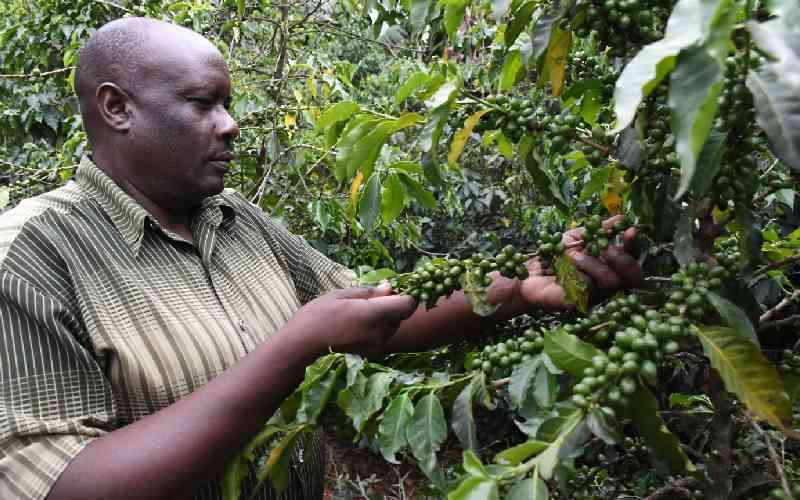
Kenya will host a coffee cupping event described as the first of its kind in Africa, aiming to map the country’s diverse coffee flavours and regions of origin.
The event, to be held in Nairobi, is expected to bring together more than 300 professional coffee cuppers from around the world to sample and assess coffee from across the country.
It will also attract stakeholders across the coffee value chain, including producers, baristas, local and international traders, government representatives, development partners and consumers.
The initiative is expected to position Kenya as the first African country to develop a national coffee flavour map, a milestone expected to improve market access and facilitate trade.
Dubbed the Kenya Coffee Flavour and Origin Expo, the event will run from 14 to 16 November.
It is a joint programme initiative led by the Food and Agriculture Organisation of the United Nations (FAO) and the United Nations Industrial Development Organisation (UNIDO), in collaboration with the Kenyan government and key coffee-sector stakeholders.
It is funded by the Swedish Embassy in Nairobi through the Sustainable Development Goals Multi-Partner Trust Fund Kenya.
The Expo aims to showcase the diversity of Kenyan coffee and support the development of the National Coffee Flavour Map.
Esther Atieno, a barista and coffee educator. [Courtesy]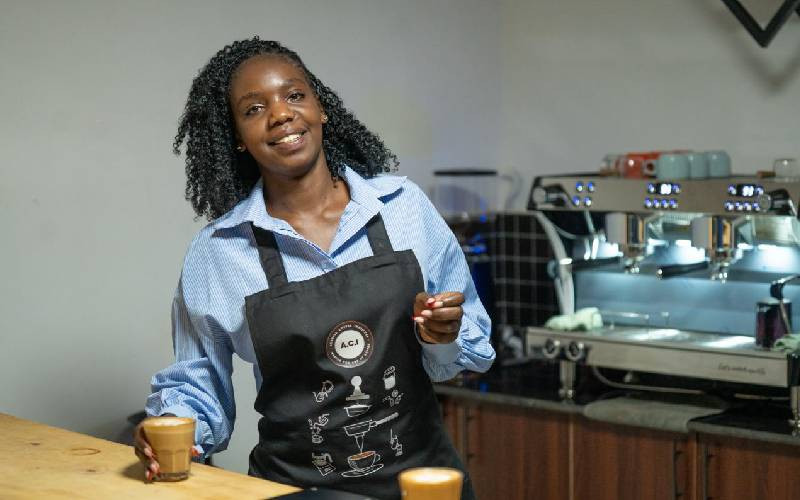
It seeks to document and promote the distinctive flavour profiles of coffees from Kenya's coffee-growing counties, strengthening their positioning and competitiveness in domestic and international markets.
The initiative also aims to increase awareness, appreciation and consumption of Kenyan coffee while creating opportunities to connect producers and other value-chain actors with buyers.
“The coffee sector is very significant and supports more than 800, 800,000 households in Kenya. By providing income to these households, coffee is more than a cash crop; it contributes to food security and access to education, healthcare and other needs,” said Tito Arunga, Programmes Manager, Sustainable Agri-Food Systems at FAO.
While climate change has negatively affected some traditional coffee- growing areas, it has also created conditions suitable for production in new areas. However, coffee grown in different production zones can have distinct flavour profiles. “Flavour is a key marketing tool that can expand markets for Kenyan coffee because mapping it can help connect buyers directly with areas that produce their preferred flavours,” said Arunga.
The principal expected output of the Expo is technical data and evidence to inform the subsequent development of the National Coffee Flavor Map or Atlas. The map will document Kenya's diverse coffee flavour profiles and provide information to support origin-based marketing, product differentiation and market access.
Stay informed. Subscribe to our newsletter
The event will feature knowledge exchange sessions, panel discussions, exhibitions, side events and a national coffee cupping exercise. Cuppers are expected to evaluate approximately 700 blind- coded coffee samples representing 34 coffee-growing counties.
“Coffee cupping is both an art and a science used to establish the quality and flavour of coffee through taste and smell. Some of the key determinants of coffee flavour include altitude, crop varieties and soils,” said Henry Kinyua, National Programme Manager for Accelerating Climate Resilience and Transformation in African Coffee (ACT) at UNIDO.
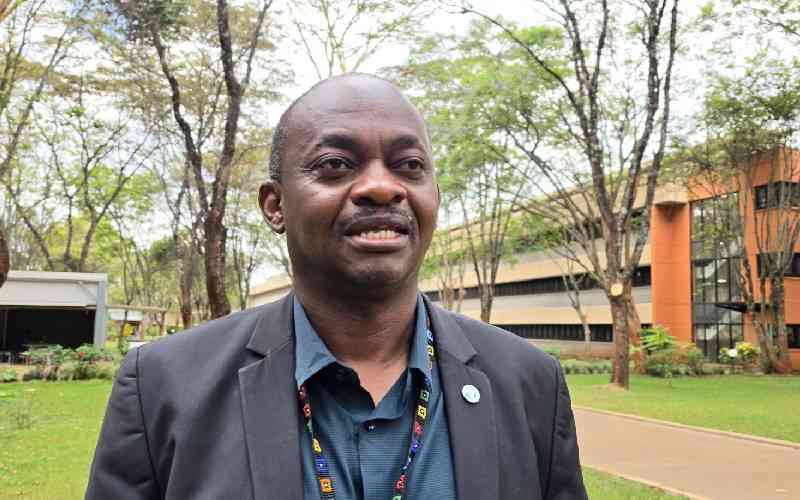
He explained that although the same coffee varieties may be suitable for cultivation in different areas, their flavours are likely to vary.
Kinyua also highlighted the importance of tapping into the domestic market, noting that local consumption accounts for only about five per cent of Kenya’s coffee production.
He expressed optimism that participating in the Expo and tasting quality, locally produced and brewed coffee would encourage more Kenyans to explore business opportunities in the sector and increase their consumption.
While coffee consumption is often associated with older generations, there are opportunities to encourage young people both to enjoy the beverage and to pursue income-generating activities across the sector.
“Young people can be attracted to coffee through creative brewing methods that align with their tastes and preferences,” said Esther Atieno, a barista and coffee educator.
For example, she noted, young consumers who prefer sweet coffee could be attracted through brewing styles and flavour combinations tailored to their preferences, supported by targeted marketing.
According to Wangechi Gitata-Kiriga, CEO of Revolutionary Coffee, coffee from the Central region is fruity and crisp, like white wine, while coffee from the Rift Valley is bold like red wine.
However, more detailed findings on coffee flavours and their origins are expected to emerge from the Expo.
“All samples will be roasted to the same level, ground to the same coarseness and brewed using water at the same temperature before being evaluated,” said Marty Pollack, CEO of Torch Coffee.
He stated that the event would not be a competition but would instead identify the flavours associated with different coffee-growing regions, with the findings expected to offer some surprises.
Subscribe to our newsletter and stay updated on the latest developments and special offers!