×

The Standard e-Paper
Home To Bold Columnists
 The Standard Group Plc is a multi-media organization with investments in media
platforms spanning newspaper print operations, television, radio broadcasting,
digital and online services. The Standard Group is recognized as a leading
multi-media house in Kenya with a key influence in matters of national and
international interest.
The Standard Group Plc is a multi-media organization with investments in media
platforms spanning newspaper print operations, television, radio broadcasting,
digital and online services. The Standard Group is recognized as a leading
multi-media house in Kenya with a key influence in matters of national and
international interest.

Audio By Vocalize

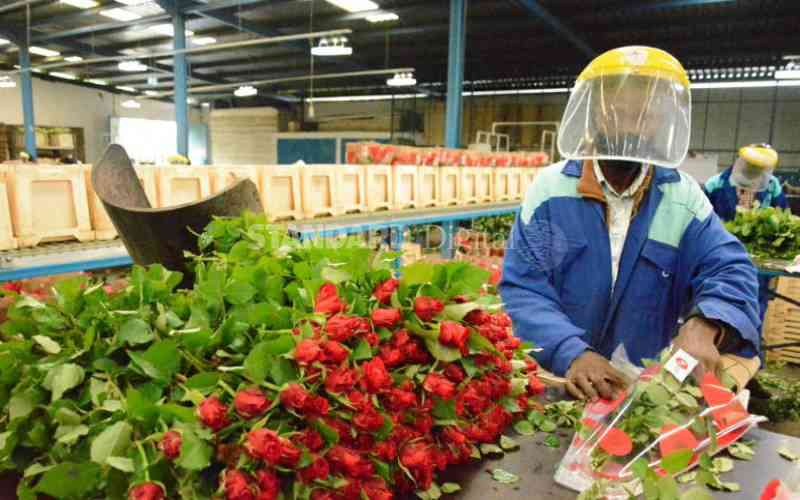
The Kenya Flower Council (KFC) has identified market disruptions, regulatory changes and phytosanitary standards as some of the challenges currently facing the floriculture sector.
The council has noted that international regulations were becoming more demanding, that technology was transforming agriculture, and that the cost of doing business remained a serious concern.
According to the Council CEO Clement Tulezi, the country has established an extraordinary position in international markets, supplying around 40 per cent of cut flowers entering the European market.
He attributed this to hard work, dedication, and adherence to local and international standards, despite the rising cost of production coupled with an unending number of taxes.
“Currently our flower industry generates approximately KSh110B annually and directly employs about 200,000 people, the majority of them women,”
“When we include families, suppliers, transporters, freight companies, input providers and communities surrounding our farms, millions of livelihoods are connected to this industry,” he said.
He was, however, quick to add that the industry has faced droughts, floods, exchange-rate volatility, rising input and energy costs, market disruptions and regulatory changes.
“During COVID-19, markets closed, flights disappeared, flowers ready for export suddenly had nowhere to go, yet the industry adapted and survived,” he said
Tulezi said that the government should treat horticultural logistics as strategic national economic infrastructure by improving airport efficiency, lowering freight costs, ensuring cold-chain integrity, and streamlining customs and phytosanitary processes.
“We must become smarter, faster, more data-driven, technologically capable, internationally connected and responsive to our members,” he said.
On his part, the KFC board Chairman, Chris Kulei, said that freight and compliance costs had shot up, adding that this had not deterred farmers across the country from expanding.
“Despite the challenges, farmers have kept investing in clean energy, better water management and higher standards in the midst of competitive neighbours,” he said.
This comes a couple of weeks after the sector lost millions following a three-day strike by aviation workers, which paralysed operations at JKIA and adversely affected exports and passenger flights.
During the period, which affected the normal export chain, over 1,000 tonnes of cargo worth millions of shillings were caught up and are still to be cleared due to a massive backlog.
Stay informed. Subscribe to our newsletter
Following the strike, the Council is now calling for the urgent establishment of a National Aviation Contingency Protocol for Perishable Exports.
The organisation, according to the council, will ensure that, even where Labour or operational disputes arise, there are defined contingency arrangements to export critical perishable goods such as flowers and vegetables.


Subscribe to our newsletter and stay updated on the latest developments and special offers!










 join
join