×

The Standard e-Paper
Fearless, Trusted News
 The Standard Group Plc is a
multi-media organization with investments in media platforms spanning newspaper
print operations, television, radio broadcasting, digital and online services. The
Standard Group is recognized as a leading multi-media house in Kenya with a key
influence in matters of national and international interest.
The Standard Group Plc is a
multi-media organization with investments in media platforms spanning newspaper
print operations, television, radio broadcasting, digital and online services. The
Standard Group is recognized as a leading multi-media house in Kenya with a key
influence in matters of national and international interest.

Audio By Vocalize
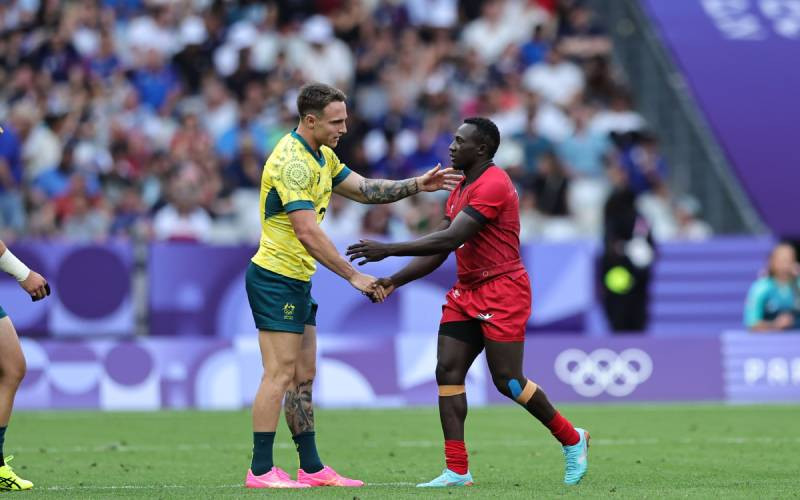
Kabras Sugar and Shujaa scrum half Brian Tanga knows the taste of defeat.
He has walked away from the Kakamega Forest after losing five Kenya Cup finals to KCB. He has also danced on the same ground after helping Kabras Sugar win five straight titles.
That is the story of Tanga's 12 years at Kabras; pain, recovery, victory and, finally, the decision to walk away from Sevens rugby.
The 2026 National Sevens Circuit, which ended last weekend with Kabras finishing second behind KCB, marked the end of an era for the experienced scrum-half.
Tanga, 30, had been thinking about retirement for two years. Serious injuries had forced him to consider life beyond rugby, but he kept pushing.
This season, however, he saw enough to know Kabras Sugar and the national team, Shujaa, would be fine without him.
Youngsters Jackson Siketi, Mike Lukusi and Rayvon Ambale had emerged, giving him confidence that the next generation was ready.
“After I leave Sevens, there are people to replace me and this season showed that indeed, there are top players who are young and more energetic,” Tanga said.
For a player who has spent most of his adult life at Kabras, walking away was never going to be easy.
“For me Kabras is home and my family,” he said.
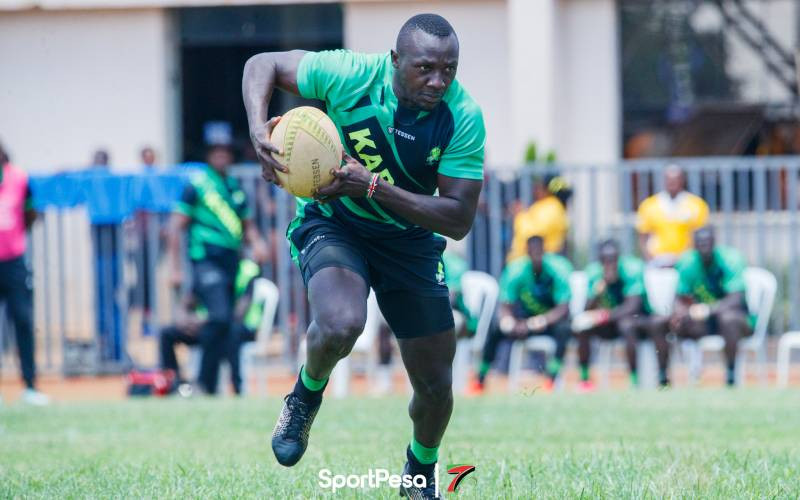
The club did not simply give Tanga a jersey. It gave him education, a career and a platform to meet people who helped shape his life.
His rugby journey began in 2011 at school, although he only became serious about the sport in Form Four. Friends from his home area, including Benard Wamukoya, influenced him to take up the game.
After school, Derrick Ekurutu and Zachariah Amatika, popularly known as Kush, helped him move from Busia to Kabras.
That decision changed his life. His biggest breakthrough came when Kabras were promoted to the Kenya Cup. Suddenly, he was playing against the country's best clubs and attracting the attention of national selectors.
He won his first Kenya Cup in 2016 before helping Kabras win the National Sevens Circuit the following year.
Stay informed. Subscribe to our newsletter
Then came the painful years.
Kabras lost five Kenya Cup finals to KCB, with Tanga experiencing the disappointment first-hand. But the defeats only made the eventual success sweeter.
From 2021 to 2026, Kabras won five consecutive Kenya Cup titles, with Tanga being part of the side that finally turned years of frustration into dominance.
He finished his Kabras career with six Kenya Cup medals. Additionally, he has also won six Enterprise Cup titles.
International rugby added more chapters.
Tanga was also part of the Kenya Sevens team that won the Singapore Sevens and later achieved what he describes as every athlete's dream, representing the country at the 2024 Olympic Games.
But his career was not without danger.
In 2024, he underwent wrist surgery. A year later, a serious head injury kept him out for almost the entire season.
“The last two seasons haven't been easy,” he said.
Those setbacks, however, taught him resilience.
“However bad the situation is, the only person who can bring you up again is yourself. Such setbacks only make you stronger and give you mental toughness.”
Tanga's game was built around the demands of the No.9 position. As scrum-half, he linked the forwards and backs, made quick decisions and was expected to understand the game several moves ahead.
For him, preparation was just as important as talent.
“You have to watch a lot of videos and reviews of teams as an individual and as a position nine,” he said.
Several coaches influenced his development.
The late Benjamin Ayimba gave him an opportunity with the national Sevens team and taught him to enjoy rugby. Innocent Simiyu reinforced the importance of hard work, while current Kenya Sevens coach Kevin Wambua helped him understand the modern game.
At Kabras, a long list of coaches also shaped him, from Urther Shikwe and Anthony Ogot to Mike Bishop, Cardovillis, Henley du Plessis, Mzi Nyathi, Jerome Muller and Carlos Katywa.
Katywa, in particular, was central to the winning culture that transformed Kabras into a dominant force.
Tanga's own motivation was straightforward.
“I have never known how to lose,” he said. “Winning culture was already in me and I never wanted to lose at all, plus playing for family and community.”
Now, the competitor is stepping aside from Sevens but not from rugby.
He plans to continue playing 15s while slowly moving into coaching.
What he will miss most is not the trophies or the spotlight. It is the brotherhood.
“The brotherhood we had and the fun Sevens rugby comes with,” he said.
Subscribe to our newsletter and stay updated on the latest developments and special offers!


 Prefer the Standard on Google





 join
join