×

The Standard e-Paper
Join Thousands Daily
 The Standard Group Plc is a
multi-media organization with investments in media platforms spanning newspaper
print operations, television, radio broadcasting, digital and online services. The
Standard Group is recognized as a leading multi-media house in Kenya with a key
influence in matters of national and international interest.
The Standard Group Plc is a
multi-media organization with investments in media platforms spanning newspaper
print operations, television, radio broadcasting, digital and online services. The
Standard Group is recognized as a leading multi-media house in Kenya with a key
influence in matters of national and international interest.

Audio By Vocalize
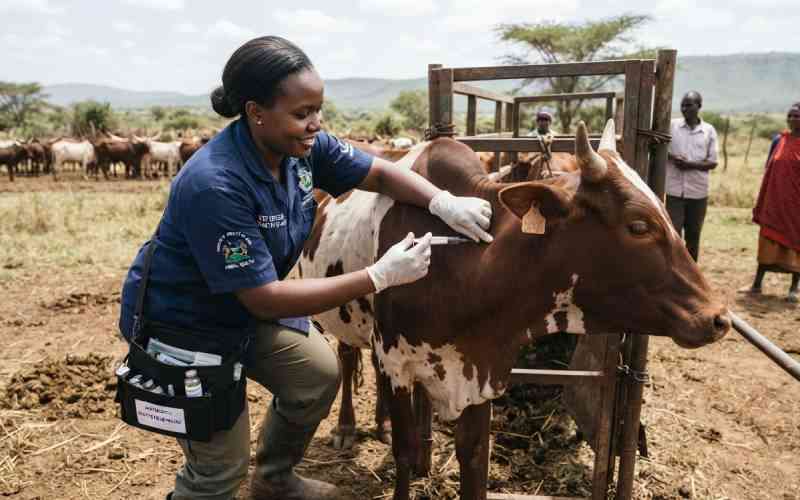
Antimicrobial resistance (AMR) is emerging as one of the most serious threats to global health, food security and sustainable development. Antimicrobial resistance occurs when bacteria, fungi, viruses and parasites adapt over time in away that they can not be killed by medicines that were once effective against them.
Agriculture is increasingly becoming an important sector in both the development and prevention of AMR. Livestock and crop farmers play a critical role in ensuring food security, but farming practices can also influence the spread of resistant microorganisms.
Fortunately, farmers are not only part of the challenge but also a crucial part of the solution.
Across many agricultural systems, antimicrobials are used to protect livestock from diseases and to safeguard crop production from infections.
In livestock farming, antimicrobials are used to treat sick animals, prevent disease outbreaks and, in some countries, support growth and productivity. In crop production, antimicrobial products such as bactericides and fungicides are applied to control plant diseases and improve yields.
However, the inappropriate use of these products can contribute significantly to antimicrobial resistance. When antimicrobial is used excessively or incorrectly in livestock, or when antimicrobial products are applied indiscriminately in crop production, disease-causing organisms can develop resistance, making future treatments less effective.
For livestock farmers, antimicrobial resistance often develops when medicines are administered without proper diagnosis, when the wrong medicine is used, or when treatment doses and durations are not followed correctly.
These actions allow some microorganisms to survive, adapt and multiply, eventually becoming resistant to available treatments.
Crop farmers can also unintentionally contribute to resistance through improper use of antimicrobials in production.
Overreliance on chemical controls without integrating other disease management approaches results in plant pathogens developing resistance.
As these resistant strains spread, farmers may find that previously effective products no longer control diseases adequately.
Resistant microorganisms can spread between animals, crops, people and the environment.
This interconnectedness highlights the importance of the One Health approach, which recognises that human, animal and environmental health are closely linked.
There are practical and effective measures that farmers can adopt to reduce the risk of antimicrobial resistance while maintaining productive and profitable farms.
Prudent use of antimicrobials: Livestock farmers should only use antibiotics when prescribed or recommended by qualified veterinarians. Accurate diagnosis is essential because not all diseases require antibiotic treatment. Viral infections, for example, do not respond to antibiotics. Farmers should always follow prescribed dosages, treatment durations and withdrawal periods to ensure medicines are used effectively and safely. Crop farmers should only apply antimicrobial products when necessary and according to recommended guidelines. Disease management decisions should be based on proper diagnosis and monitoring rather than routine application. Following label instructions and rotating products with different modes of action as directed by agricultural extension officers can reduce the risk of resistance developing in plant pathogens. Maintaining proper records of antimicrobial use is equally important. Treatment records help farmers identify recurring disease patterns, assess the effectiveness of interventions and reduce unnecessary use of medicines. Such information also supports veterinarians and agricultural extension officers in providing appropriate recommendations.
Stay informed. Subscribe to our newsletter
Healthy herds and crops: Healthy animals and healthy crops require fewer treatments, reducing dependence on antimicrobial products.
For livestock farmers, strong biosecurity measures are among the most effective tools for disease prevention. Biosecurity involves practices that prevent the introduction and spread of diseases on farms. Limiting unnecessary visitors, disinfecting equipment, vehicles and footwear, and controlling animal movement can significantly reduce disease risks. Newly purchased animals should always be quarantined before joining existing herds or flocks. This simple practice prevents the introduction of diseases that could spread rapidly and require extensive antimicrobial treatments. Farm workers should also observe good hygiene practices, including handwashing and the use of protective clothing when handling animals.
Animal husbandry: Good animal husbandry practices further contribute to disease prevention. Providing adequate nutrition, clean drinking water, comfortable housing and sufficient space helps animals maintain strong immunity. Overcrowded and poorly ventilated facilities create conditions that favour disease outbreaks and increase reliance on antimicrobials. Good sanitation is another key component of livestock health management. Regular cleaning and disinfection of animal housing, feeding equipment and watering systems help minimise disease-causing organisms. Proper manure management reduces environmental contamination and lowers the risk of disease transmission within and between farms.
Prevention is better than cure: Vaccines strengthen immune systems and protect animals against common infectious diseases, thereby reducing the need for antibiotic treatments. Farmers who invest in routine vaccination often experience healthier animals, lower mortality rates and higher productivity. Regular observation of animals enables early detection of illness. Farmers who quickly identify and isolate sick animals can prevent diseases from spreading throughout a herd or flock, reducing the need for mass medication.
Protecting antimicrobials is a shared responsibility. Through preventive approaches and responsible farming practices, farmers can help ensure healthier animals, more resilient crops, safer food systems and sustainable agricultural production for generations to come.
Dr Othieno is a veterinary surgeon and currently the head of communications at the Food and Agriculture Organisation of the United Nations (FAO) Kenya. The views expressed here are his own
Subscribe to our newsletter and stay updated on the latest developments and special offers!


 Prefer the Standard on Google









 join
join