×

The Standard e-Paper
Join Thousands Daily
 The Standard Group Plc is a
multi-media organization with investments in media platforms spanning newspaper
print operations, television, radio broadcasting, digital and online services. The
Standard Group is recognized as a leading multi-media house in Kenya with a key
influence in matters of national and international interest.
The Standard Group Plc is a
multi-media organization with investments in media platforms spanning newspaper
print operations, television, radio broadcasting, digital and online services. The
Standard Group is recognized as a leading multi-media house in Kenya with a key
influence in matters of national and international interest.

Audio By Vocalize
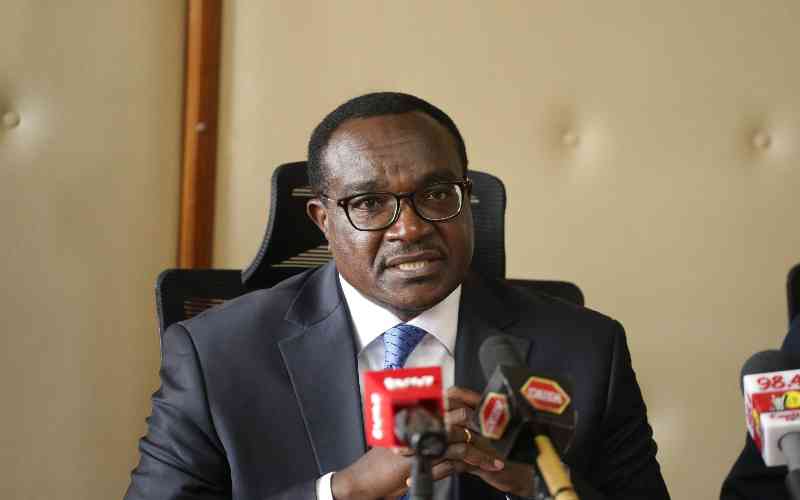
The future of the global tourism industry will depend on innovation and technology as the sector undergoes rapid transformation, Education Cabinet Secretary Julius Migos Ogamba has said.
In a speech delivered on his behalf by Livestock Development Principal Secretary Jonathan Mueke during a graduation ceremony in Narok County, Ogamba said tourists are increasingly seeking authentic experiences, sustainability, digital convenience, and meaningful connections with local communities, making it necessary for tourism professionals to embrace innovation and emerging technologies.
Addressing graduates of the Wildlife Tourism College of Maasai Mara at the Pardamat Conservation Area, Mueke challenged the 50 graduands to position themselves for the changing demands of the global tourism market.
The graduates received diplomas and certificates in wildlife management, tour guiding and travel operations, food and beverage production and service, housekeeping and laundry operations, and catering and hotel supervision.
"This means your success will not depend only on what you have learned in class. It will depend on your ability to innovate and use new technologies," Ogamba said.
"The future belongs to those who embrace technology. Artificial intelligence, digital marketing, social media, online booking platforms and data analytics are transforming the tourism industry. A young professional with creativity, a smartphone, and an internet connection can market the Maasai Mara to millions of people around the world."
His remarks come at a time when technology and innovation are already reshaping Kenya's tourism sector and driving growth in visitor arrivals and earnings. Kenya recorded about 2.4 million international visitor arrivals in 2024, up from just over 2 million in 2023, while tourism earnings rose from Sh377.5 billion to Sh452.2 billion.
Industry players attribute the growth to innovations such as the Electronic Travel Authorization (eTA) system, artificial intelligence applications, online booking platforms, virtual tourism experiences, and seamless digital payment systems.
The technologies have also helped diversify Kenya's tourism offerings beyond traditional wildlife safaris and beach holidays to include cultural tourism, sports tourism, wellness retreats, and community-based tourism.
Ogamba described the Maasai Mara as one of the world's most extraordinary destinations, renowned for its vast landscapes, rich wildlife resources, vibrant Maasai culture, and the world-famous Great Migration.
"The Maasai Mara is not just a tourist attraction; it is a symbol of Kenya's natural wealth and a reminder of the opportunities that tourism creates for our people. As you graduate today, you are joining one of the most exciting and vibrant industries in the world," he said.
He noted that tourism extends beyond hotels, game drives, and travel agencies, playing a critical role in job creation, cultural preservation, wildlife conservation, and community development.
"Every tourist who visits Kenya supports thousands of livelihoods, from tour guides and hotel staff to farmers, transport providers, artisans, photographers, and entrepreneurs. Tourism is not only about attracting visitors; it is about creating prosperity while protecting our environment," he said.
The CS urged the graduates to embrace entrepreneurship and develop innovative tourism products that showcase Kenya's unique attractions.
"As you go forward, do not just seek employment. Think bigger. Become tourism entrepreneurs, develop cultural experiences, establish tourism businesses, and promote community-based tourism that showcases the beauty of Kenya and the Maasai Mara to the world," he said.
Stay informed. Subscribe to our newsletter
Ogamba also emphasised the importance of conservation, saying wildlife remains one of Kenya's most valuable assets.
"Wildlife is not only a national treasure but also an economic asset that supports millions of livelihoods across Africa and the world. Tourism and conservation must always go hand in hand," he said.
Tourism Principal Secretary John Ololtuaa called on the national government to consider funding the institution, saying it plays a critical role in developing skills for the country's tourism and conservation sectors.
"The national government has always supported public colleges. I believe that through consultations with the relevant ministries and agencies, a way can be found to support this institution and help it grow," said Ololtuaa.
Narok Governor Patrick Ole Ntutu echoed the call, saying the community established the college in 2024 with support from international partners to equip residents with practical skills in wildlife management, hospitality, and tourism.
He credited Saruni Basecamp, Mahali Mzuri, and other partners for supporting the establishment and growth of the institution, saying the college has already expanded its programmes and is helping bridge skills gaps in the tourism sector.
Subscribe to our newsletter and stay updated on the latest developments and special offers!

 Prefer the Standard on Google








 join
join