×

The Standard e-Paper
Home To Bold Columnists
 The Standard Group Plc is a
multi-media organization with investments in media platforms spanning newspaper
print operations, television, radio broadcasting, digital and online services. The
Standard Group is recognized as a leading multi-media house in Kenya with a key
influence in matters of national and international interest.
The Standard Group Plc is a
multi-media organization with investments in media platforms spanning newspaper
print operations, television, radio broadcasting, digital and online services. The
Standard Group is recognized as a leading multi-media house in Kenya with a key
influence in matters of national and international interest.

Audio By Vocalize
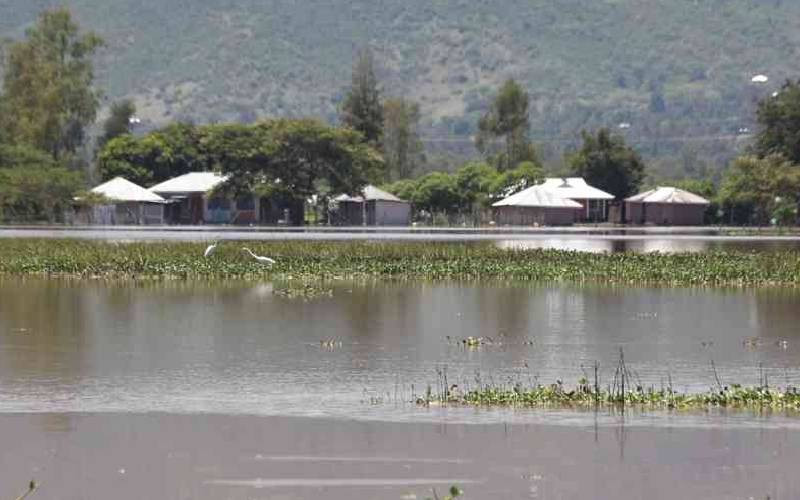
Homes marooned by floods in Kobala sub-location, Wang'chieng location, Homa Bay County. [File, Standard]
There is a difference between knowing that a disaster may happen and being ready when it does. For communities living in areas exposed to flooding, that difference can be measured in hours, sometimes even minutes.
Kenya is approaching the coming rainy season with a high likelihood of El Niño conditions. The Kenya Meteorological Department has warned of a high likelihood of El Niño, with its forecasts indicating an 85 per cent to 90 per cent probability of the conditions persisting through the end of 2026. For communities that have lived through destructive floods before, this is not information to put aside until the rains begin. It is a reason to start preparing now.
The temptation is to wait for the next forecast or until the first heavy rains arrive or worse still to wait until water starts rising or until an emergency is officially declared. But by then, some of the most important decisions may already be too late.
When floods happen, the first people to respond are usually those who are already there. A neighbour checks on an older person living alone. A family moves children and belongings to higher ground. Young people clear a blocked drainage channel. A community health worker checks on households that may need help. A farmer moves livestock to safer ground. These actions often happen long before an emergency team can reach an affected area.
Communities are therefore not simply recipients of assistance. They are the first responders.
This is why preparing for El Niño must begin at community level. It means asking what can be done now, while there is still time and before people are forced to make decisions under pressure.
Some of the most useful actions are also the simplest. Clear drainage around homes and public spaces. Check roofs and gutters. Identify places that are likely to flood. Know where people can move if evacuation becomes necessary. Protect important documents and valuables by moving them to safer places. Talk to neighbours and agree on how warnings will be shared.
The Kenya Red Cross Society encourages communities to monitor official warnings, clear drainage, secure homes and critical infrastructure, and move people, livestock and assets away from high-risk areas before conditions worsen.
The timing matters. Clearing a drainage channel before heavy rainfall is very different from trying to clear it when water is already flowing through a neighbourhood. Moving livestock before a river breaks its banks is safer than trying to rescue animals in floodwater. Knowing where to go before evacuation becomes necessary and gives families choices that may disappear once roads are flooded. An early warning only becomes useful when people can act on it.
The consequences of failing to prepare can extend beyond the immediate damages caused by floods. Floodwaters contribute to the contamination of drinking water and create conditions whereby diseases such as cholera, diarrhoea and malaria can spread. When health facilities, roads and water systems are disrupted, accessing treatment and essential services can become even more difficult. Preparing early can therefore help to prevent not only the loss of homes and livelihoods but also reduce the risk of illnesses and the loss of life.
Communities also have knowledge that is essential to preparedness. Residents know where water collects after heavy rainfall, which roads become difficult to use, which bridges are unsafe and which households are most exposed. They know which places are safe and which are not. This local knowledge should inform preparedness alongside information from weather and disaster management authorities.
For this to work, communication has to go both ways. Communities need reliable and timely information, but they must also have ways to report what they are seeing on the ground. A warning may say heavy rainfall is expected, but people living in a particular neighbourhood can tell authorities when a drainage system has already overflowed or when a road has become impassable. Their experience is part of the early warning system too.
Preparedness must also recognise that not everyone faces the same risks. A person with a disability may need assistance to evacuate. An older person living alone may need someone to check on them. Children may not understand the danger of playing near floodwater. Pregnant and breastfeeding women, people with chronic conditions and others who need regular care may face additional challenges when roads are flooded or services are disrupted.
Kenya Red Cross also emphasises that preparedness must leave no one behind. Children, persons with disabilities, pregnant and breastfeeding women, older people and people living with chronic conditions may need additional support to receive warnings, move to safety and access essential services.
Stay informed. Subscribe to our newsletter
This is more than an inclusion issue. It is about whether a community is genuinely prepared. A community cannot consider itself ready if some of its members have no safe way to receive a warning, evacuate or access help.
The same is true for livelihoods. For many families, a flood can mean much more than a damaged house. It can mean losing crops, livestock, fishing equipment, business stock or the income needed to feed a family and keep children in school. That is why farmers and other livelihood groups also need to act before the rain becomes a threat. The Kenya Red Cross encourages farmers to harvest mature crops where possible, create drainage channels around farms, move livestock to safer areas and protect animal feed. Fisherfolk are encouraged to prepare safe docking arrangements and secure equipment ahead of heavy rainfall.
These decisions are easier to make when people still have choices. But while communities are the first responders, they cannot and should not be expected to prepare alone.
It is not enough to tell people to evacuate if there is nowhere safe to go. It is not enough to issue a warning if it does not reach people in a language or format they understand. It is not enough to ask communities to clear drainage where the problem requires action from county authorities.
Preparedness is a shared responsibility. National and county governments, humanitarian organisations, community groups, the private sector and other partners all have a role to play in making sure communities have the information, resources and support they need.
Through its extensive community presence and humanitarian operations, the Kenya Red Cross Society is working with communities to strengthen preparedness, translate early warnings into practical action and ensure support is available before, during and after emergencies. The International Centre for Humanitarian Affairs (ICHA) is strengthening this work by bringing evidence, research and community experience into policy and practice, helping to ensure that what is learned from emergencies informs better preparedness and stronger systems.
Ultimately, however, the success of preparedness should not be measured by how much assistance arrives after a disaster. It should also be measured by how much loss and suffering can be prevented before it happens.
We have time to prepare before the water rises. When the rains come, the question should not only be whether humanitarian organisations were ready to respond. We should also ask whether communities had the information, support and resources they needed to act early. Because sometimes the most effective response is the one that happens before disaster strikes.
The warning has been given. Communities will be on the front line. Our responsibility is to ensure they are ready before the rains arrive.
- The author is a policy expert at the International Centre for Humanitarian Affairs at the Kenya Red Cross Society
Subscribe to our newsletter and stay updated on the latest developments and special offers!


 Prefer the Standard on Google