×

The Standard e-Paper
Smart Minds Choose Us
 The Standard Group Plc is a
multi-media organization with investments in media platforms spanning newspaper
print operations, television, radio broadcasting, digital and online services. The
Standard Group is recognized as a leading multi-media house in Kenya with a key
influence in matters of national and international interest.
The Standard Group Plc is a
multi-media organization with investments in media platforms spanning newspaper
print operations, television, radio broadcasting, digital and online services. The
Standard Group is recognized as a leading multi-media house in Kenya with a key
influence in matters of national and international interest.

Audio By Vocalize
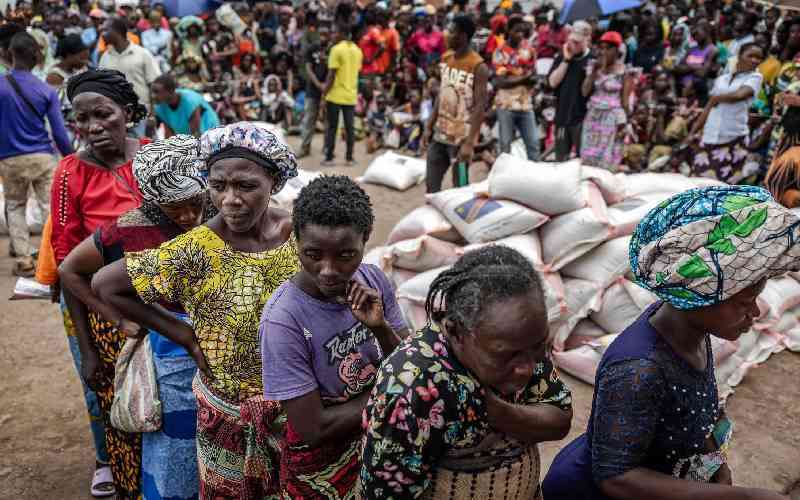
Kenya stands at a historic crossroad in development and humanitarian governance. This year’s World Refugee Day theme, 'Until everyone is safe,' represents the need for a candid assessment of our structural commitments. Over the last five years, the Refugee Consortium of Kenya (RCK) has increasingly promoted a strategic and progressive legislative shift that protects human rights and dignity while advancing self-reliance. Of significance is the Refugees Act 2021 and its 2024 regulations, which underpinned the development and roll-out of the Shirika Plan, the government's pioneering innovative approach to refugee management, transforming refugee camps into integrated area-based settlements.
The framework envisions doing away with encampment and is inclined toward a model of socio-economic inclusion. Yet, as a legal aid and advocacy organisation working with both refugee and host communities, RCK observes a troubling paradox: Despite Kenya’s progressive refugee policies, the daily lived realities of approximately 841,207 registered refugees and asylum seekers remain constrained by protection gaps.
To unlock the full potential of the Shirika Plan, it is essential to systematically unpack the government’s two-tier operational reality that is currently causing dissatisfaction among our refugee communities. In the complexes of Dadaab, Kakuma, and Kalobeyei, the transition into gazetted municipalities is a key step toward sustainable devolution. Through our direct engagement with local governance, including the Turkana County Assembly, it is notable that county-level integration can catalyse mutual growth for both refugees and host communities.
Nevertheless, these infrastructural wins are constrained by the struggles of urban refugees navigating our urban areas. In Nairobi’s Kasarani, Kawangware and Eastleigh neighbourhoods, refugee entrepreneurs are not relying on humanitarian handouts; they are seeking self-sustainability through legal predictability. They face challenges in securing Class M work permits and arbitrary documentation checks. True solidarity cannot be geographically selective; a policy that protects a refugee in Turkana must protect a refugee in Nairobi.
The bridge between self-reliance and vulnerability lies in financial inclusion. Refugees still face challenges navigating Kenya’s financial sector. A refugee entrepreneur in Mombasa or a thriving retail kiosk in Kakuma Refugee Camp faces the same barrier: Inability to easily open a bank account or secure business credit. Recognising that government-issued refugee identity cards are not a risk but are key to bringing these underground economic ecosystems into the financial sector will enhance regulatory oversight and drive local tax revenues.
While the Plan aligns with Kenya’s Bottom-Up Economic Transformation Agenda and Vision 2030 aspirations, enhanced awareness of how to access a Class M permit is an urgent legislative necessity. Simplifying the process and having predictable systems will enable refugees to easily navigate from registration to formally recognised businesses or employment, allowing them to contribute to local economies and national development goals. This, in turn, will reduce vulnerability and promote dignity and sustainable livelihoods.
We must actively bridge the gap between national refugee integration policies and county-level implementation. County assemblies have a key role in ensuring that refugee-led businesses are integrated into local economic systems through clear regulations and streamlined business registration processes.
Mr Jaji is the Executive Director of the Refugee Consortium of Kenya.
Subscribe to our newsletter and stay updated on the latest developments and special offers!


 Prefer the Standard on Google