×

The Standard e-Paper
Fearless, Trusted News
 The Standard Group Plc is a
multi-media organization with investments in media platforms spanning newspaper
print operations, television, radio broadcasting, digital and online services. The
Standard Group is recognized as a leading multi-media house in Kenya with a key
influence in matters of national and international interest.
The Standard Group Plc is a
multi-media organization with investments in media platforms spanning newspaper
print operations, television, radio broadcasting, digital and online services. The
Standard Group is recognized as a leading multi-media house in Kenya with a key
influence in matters of national and international interest.

Audio By Vocalize
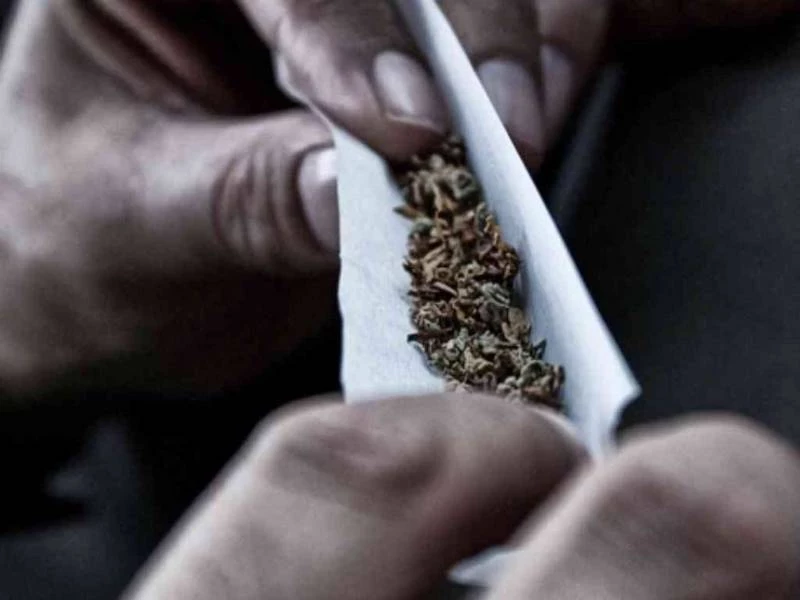
I want to start with a strange thought: our sewers are talking. And for the first time in Kenya, we decided to listen.
At NACADA, we have always relied on what users tell us, or hide from us. But this time, we let science do the talking. We just completed Kenya’s first nationwide wastewater analysis, covering 8 regions, 12 hotspot counties, and analysing 152 samples. And honestly? The truth is uncomfortable.
Let me cut to the chase. The numbers don’t lie. Cannabis, heroin, and cocaine remain Kenya’s top three most used illicit drugs. That is not surprising. What kept me up at night was what else we found floating beneath our feet.
We detected New Psychoactive Substances (NPS), specifically alpha-ethyltryptamine, benzofurans, and synthetic cathinones.
These are not your traditional street drugs. These are “designer drugs,” chemically tweaked to stay one step ahead of the law. And they are already here, in our communities, in our wastewater.
Even more alarming? We found chemical markers pointing to small-scale clandestine laboratory activity for methamphetamine, MDMA, and synthetic cathinones.
Let me be clear: that means someone is cooking synthetic drugs locally. This is no longer just a transit problem. Kenya is becoming a production site.
And then there is the adulterant crisis. When we tested heroin samples, 100 per cent contained caffeine and 84.6 per cent contained dextromethorphan, a cough suppressant. Some heroin samples also contained diazepam and even chloroquine, an antimalarial. Cocaine was not any cleaner. Levamisole, a veterinary deworming drug, was found in 40 per cent of cocaine samples. Imagine buying a stimulant and getting animal medicine mixed with ketamine. That is the reality.
I must also talk about prescription drugs. Diazepam is the most abused prescription drug in Kenya, followed by trihexyphenidyl (Artane), amitriptyline, tramadol, and flunitrazepam (Rohypnol).
We found them across 9 counties. These are medicines, meant to heal, turned into “legal highs” on our streets. Street names like “Cosmos,” “Red Devils,” and “Bugizi” tell you how deep this runs.
Now, here is where I draw a parallel. When I look at what is happening globally, Kenya is not alone.
In the UK, the Home Office has expanded its wastewater programme to 50 sites, monitoring not just cocaine and heroin but also nitazenes (super-strong synthetic opioids) and gabapentin.
They have learned that synthetic drugs can explode overnight. Taiwan recently published a study tracking 31 drugs, including 5 NPS, using sewer network analysis to identify hotspots after Covid-19. Europe’s SCORE network has been doing this in over 100 cities for years.
What do they all agree on? Wastewater does not lie. It catches what surveys miss. Users may hide their habits from family and doctors, but they cannot hide from the sewage system.
Stay informed. Subscribe to our newsletter
To parents, teachers, and community leaders: the street names you hear, “C5,” “Red Beret,” “Tembe,” “Kichuri”, are not harmless slang. They are evidence of a crisis flowing right under our feet. We flushed the truth. Now we have to act on it.
-The writer is CEO, National Authority for the Campaign Against Alcohol and Drug Abuse (NACADA), Kenya.
Subscribe to our newsletter and stay updated on the latest developments and special offers!

 Prefer the Standard on Google