×

The Standard e-Paper
Kenya’s Boldest Voice
 The Standard Group Plc is a
multi-media organization with investments in media platforms spanning newspaper
print operations, television, radio broadcasting, digital and online services. The
Standard Group is recognized as a leading multi-media house in Kenya with a key
influence in matters of national and international interest.
The Standard Group Plc is a
multi-media organization with investments in media platforms spanning newspaper
print operations, television, radio broadcasting, digital and online services. The
Standard Group is recognized as a leading multi-media house in Kenya with a key
influence in matters of national and international interest.

Audio By Vocalize

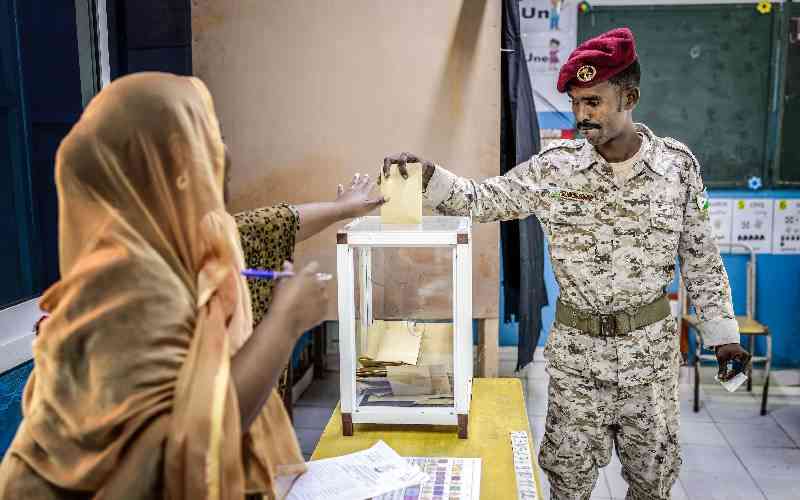
Djibouti heads to the polls today in a familiar and orderly electoral process, with incumbent President Ismail Omar Guelleh widely regarded as clear favourite following decades of leadership and national development.
As the nation awaits official results, the election reflects both continuity and confidence in a leadership that has overseen significant economic growth and stability in a strategically important region.
Over the past two weeks, the campaign trail has spanned the country from the vibrant capital, Djibouti City, to regional centres such as Tadjourah and Obock. The ruling Union for the Presidential Majority (UMP), led by President Guelleh, demonstrated strong national reach through well-attended rallies and coordinated outreach efforts.
President Guelleh, in office since 1999, remains a central figure in Djiboutian public life. His tenure has been marked by major infrastructure development, including the expansion of ports and transport networks that have positioned Djibouti as a vital trade and logistics hub in the Horn of Africa. His supporters point to sustained economic progress, increased foreign investment, and the country’s role as a stable partner in a complex geopolitical environment.
Djibouti’s strategic location has enabled it to grow into a gateway for regional commerce.
Djibouti’s economic trajectory under the incumbent's leadership is difficult to dismiss. Positioned as a gateway to the Horn of Africa, the country has leveraged its geography into a steady stream of investment and geopolitical relevance. For many voters, continuity may feel like the safest bet.
But elections are not merely about past performance. They are also about future possibilities. And here lies the opposition’s enduring challenge.
Opposition party leader of the CDU party Mohamed Farah Samatar has expressed confidence of staging an upset.
While Samatar’s candidacy represents a break from the ruling establishment, despite his own past ties to it, the broader opposition landscape remains fragmented. Without a unified front or a compelling alternative coalition, its ability to convert public frustration into electoral momentum appears limited.
The numbers reinforce this reality. Out of a population where just over 243,000 citizens are registered to vote, turnout typically hovers around 67 per cent. This relatively engaged electorate suggests that Djiboutians are willing participants in the democratic process. However, participation alone does not guarantee competitiveness.
The presence of 76 international observers, including delegations from the African Union and IGAD, signals an effort to ensure procedural credibility. Yet, credibility in form does not always equate to competitiveness in substance.
As results trickle in, few analysts expect a political upset. A Guelleh victory would extend a presidency that has already spanned nearly three decades. For supporters, it would affirm stability.
Subscribe to our newsletter and stay updated on the latest developments and special offers!


 Prefer the Standard on Google





 join
join