×
App Icon
The Standard e-Paper
Join Thousands Daily
★★★★ - on Play Store
Download App

Match commitment to end FGM with robust implementation, investment

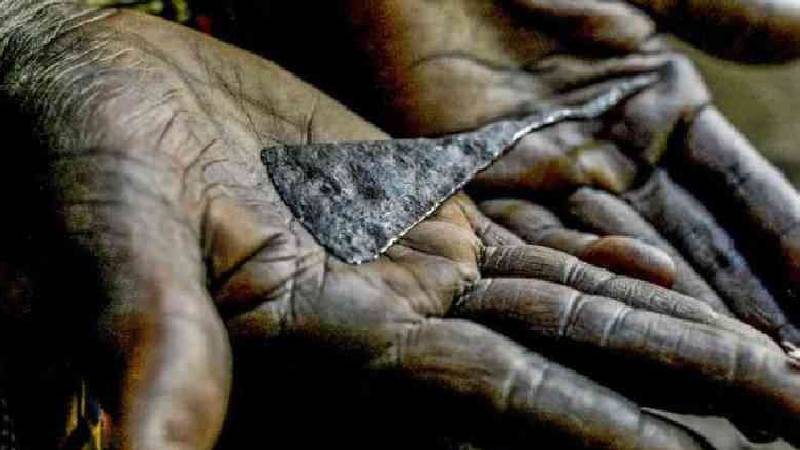
One of the crude blades used in mutilating female genitalia in Uganda.[File, Standard]

Female Genital Mutilation (FGM) has been illegal in Kenya since 2021. Kenya has made notable progress in reducing FGM, with national prevalence declining by more than 50 percent over the last 20 years, from 37 percent in 1998 to about 15 percent today. Yet, these aggregate gains mask deep regional and social inequalities.

In counties such as Wajir and Mandera, prevalence rates exceed 95 percent, while the practice of medicalised FGM is rising. Kenya is now among the five countries globally with the highest levels of FGM performed by health professionals. These trends underscore that, while progress has been achieved, it remains uneven, fragile, and vulnerable to reversal.

This is why Kenya’s commitment to end FGM by 2026, reaffirmed by President William Ruto, must be matched by robust implementation and sustained investment. Ending FGM cannot be achieved through legal frameworks alone. Kenya already has some of the strongest legal and policy instruments of the African continent, including the Prohibition of FGM Act (2011), the Children Act (2022), and the National Policy for the Eradication of FGM (2019).

The challenge is to ensure that these instruments translate into consistent, well-resourced, and meaningful change at the community level, where frontline activist defenders play a critical role. This urgency was underscored on 26 January 2026, when Dr Ruto officially received the report of the Technical Working Group on Gender-Based Violence and Femicide at State House, which called for strengthened implementation, accountability, and protection for women and girls at risk of GBV, including FGM.


The Komesha FGM Sasa! offers a model for making this shift. Funded by the European Union and implemented by UNFPA, in partnership with frontline activists, local civil society and community-based organisations, and county governments, the programme operates across Kenya’s FGM-affected hotspots. Rather than imposing externally driven solutions,  Komesha FGM Sasa! prioritises local leadership and community-owned strategies for change.

In counties such as Elgeyo Marakwet and Marsabit, the programme is empowering networks of elders, youth leaders, women’s groups, health workers, and chiefs to challenge harmful norms. Intergenerational dialogues are enabling communities re-examine long-held beliefs linking FGM and cultural identity. Elders who once defended the practice are now championing girls’ education and dignity, while survivors are speaking out with confidence, demonstrating the unmatched power of lived experience to shift attitudes. This demonstrates the power of changing social norms.

Komesha FGM Sasa! also strengthens county-level coordination, supports law enforcement, trains health workers in psychological first aid, and connects survivors to comprehensive health and psychosocial services. The programme invests in community surveillance systems to prevent cross-border FGM and enable early detection and response to cases. 

Without sustained investment, progress towards the elimination of FGM remains fragile. Projections suggest that up to 475,000 girls in Kenya could be at risk of undergoing the cut by 2030 if current trends persist. The cost of inaction is unacceptably high and includes loss of educational opportunities, poor health outcomes, child marriage, and lifelong physical and psychological harm.

Kenya has strong laws and has repeatedly reaffirmed its commitment to ending FGM at regional and global platforms. However, laws must be matched with resources. To achieve the 2026 target, Kenya must accelerate action in four key areas: First, national and county governments must prioritise FGM prevention and response in their budget allocations. 

Second, stakeholders must scale up long-term investments in community-led models. Social and behavioural change takes time, and efforts to end FGM must recognise the need for sustained, multi-year engagement.

Third, traditional and religious leaders must actively use their influence to champion the elimination of FGM. As custodians of culture, their leadership can catalyse shifts in community norms and practices.

Finally, families and communities must continue to resist the pressure to subject girls to FGM. 

Ms Geiger is the European Union Ambassador to Kenya. Dr. Pilar is UNFPA Representative a.i.