×

The Standard e-Paper
Fearless, Trusted News
 The Standard Group Plc is a
multi-media organization with investments in media platforms spanning newspaper
print operations, television, radio broadcasting, digital and online services. The
Standard Group is recognized as a leading multi-media house in Kenya with a key
influence in matters of national and international interest.
The Standard Group Plc is a
multi-media organization with investments in media platforms spanning newspaper
print operations, television, radio broadcasting, digital and online services. The
Standard Group is recognized as a leading multi-media house in Kenya with a key
influence in matters of national and international interest.

Audio By Vocalize
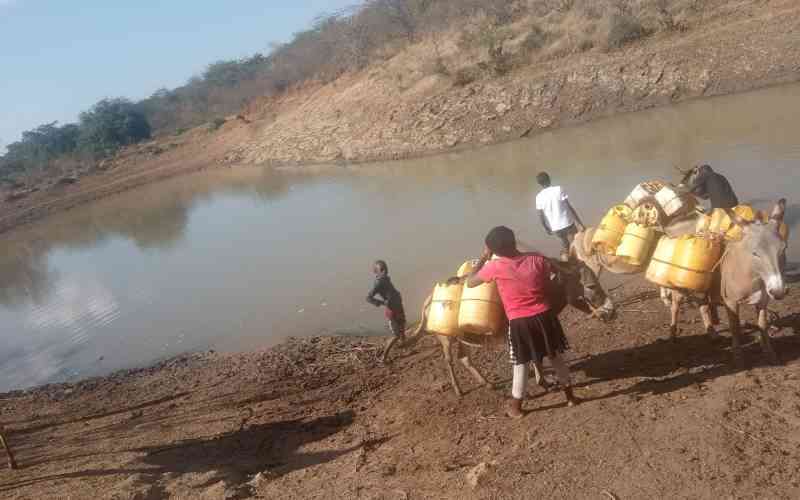
Kenya is set for a largely dry September, with the Kenya Meteorological Service warning of below-average rainfall in several food-producing counties and warmer-than-normal temperatures across the country.
The forecast, issued on August 31, shows that September will mark the transition from the relatively dry June-July-August season to the October-November-December rainfall period. Most areas are expected to remain sunny and dry, although some parts of the country will receive occasional rainfall.
Counties expected to record below-average rainfall include Trans Nzoia, Bungoma, Busia, Kakamega, Siaya, Vihiga, Nandi, Uasin-Gishu, Elgeyo-Marakwet, West Pokot, Kisumu, Kericho, Nyamira, Kisii, Bomet, Migori and Homa Bay, as well as parts of Narok, Nakuru, Baringo and Turkana.
The forecast raises concern for agriculture, livestock and water supplies in areas already affected by dry conditions in previous months.
The Meteorological Service says reduced rainfall may create shortages of food, water and pasture, although the dry weather could also provide favourable conditions for harvesting in some areas.
Arid and semi-arid counties face a particularly difficult period. Laikipia, Makueni, Kitui, Machakos, Marsabit, Wajir, Mandera, Garissa, Isiolo, Taita-Taveta, Kajiado and parts of Narok and Tana River are expected to experience generally sunny and dry conditions.
The situation could worsen drought stress in counties including Isiolo, Garissa, Turkana, Baringo and West Pokot.
Reduced pasture and water availability could lower livestock productivity, increase food insecurity and malnutrition and force communities to travel longer distances in search of water.
The weather agency also warned of health risks associated with prolonged dry conditions.
Dry weather in Garissa, Mandera, Marsabit, Isiolo, Taita-Taveta, Wajir and Tana River could contribute to an increase in respiratory illnesses.
Strong winds and dust storms may aggravate respiratory problems and increase the risk of eye infections.
The agency projects declining water availability in Mandera, Wajir, Isiolo, Marsabit, Garissa, Turkana and Samburu.
Reduced rainfall in the Mt Elgon and Mau catchments could affect water supplies, while dry conditions around Mt Kenya may have implications for water levels in hydro-electric dams.
Temperatures are expected to be warmer than average nationwide, particularly in northern and northeastern counties.
Turkana and Samburu could record maximum temperatures of between 22°C and 38°C, while Marsabit, Mandera, Wajir, Garissa and Isiolo may experience highs of up to 39°C.
Stay informed. Subscribe to our newsletter
Nairobi and surrounding central counties are expected to record maximum temperatures of between 19°C and 31°C.
Strong southerly, south-easterly and easterly winds exceeding 25 knots are also expected intermittently during the first half of September in parts of northern, eastern and coastal Kenya.
The October-November period is expected to bring widespread rainfall, with localized heavy rainfall events.
Many counties forecast to receive below-average rainfall in September are expected to record above-average rainfall in October and November.
The August review showed that mainly sunny and dry conditions prevailed, with Kericho recording the highest monthly rainfall total of 267.9mm.
Several stations, including Lodwar, Marsabit, Garissa, Wajir, Mandera, Machakos and Makueni, recorded no rainfall.
The Meteorological Service urged Kenyans to use the outlook alongside shorter-term forecasts and regular advisories as weather conditions evolve.
Subscribe to our newsletter and stay updated on the latest developments and special offers!


 Prefer the Standard on Google








 join
join