×

The Standard e-Paper
Home To Bold Columnists
 The Standard Group Plc is a
multi-media organization with investments in media platforms spanning newspaper
print operations, television, radio broadcasting, digital and online services. The
Standard Group is recognized as a leading multi-media house in Kenya with a key
influence in matters of national and international interest.
The Standard Group Plc is a
multi-media organization with investments in media platforms spanning newspaper
print operations, television, radio broadcasting, digital and online services. The
Standard Group is recognized as a leading multi-media house in Kenya with a key
influence in matters of national and international interest.

Audio By Vocalize

Projects undertaken through the National Government Constituencies Development Fund (NG-CDF) will now be monitored through a Quick Response (QR) Code system introduced by the NG-CDF board in a move aimed at ensuring transparency and accountability across the 290 constituencies.
This is after the initiative was on Thursday tabled in Parliament by the National Assembly’s NG-CDF Committee chairperson Musa Sirma, who noted that the code system was intended to improve access to project information while enhancing transparency and accountability in the use of public funds at the constituency level.
It also came on a day that the NG-CDF Committee tabled the Fund’s budget ceilings for the 2026/2027 financial year, under which the Fund has been allocated Ksh61.9 billion.
MP Sirma, during his presentation on the floor of the House, said the QR code system will strengthen accountability, close information gaps, and enable members of the public to monitor NG-CDF projects in their constituencies more easily.
NG-CDF Board Acting Chief Executive Officer Benjamin Magut, who spoke separately after, described the system as a major step in improving service delivery.
“The QR code is more than a piece of technology...In embracing this QR code system, the NG-CDF Board is not just digitising a process; we are opening a door. A door through which accountability walks in, and bureaucracy walks out.”
At the same time, it emerged that the Fund had been allocated Sh61.9 billion for the 2026/2027 financial year. According to the Budget ceilings before the House, the allocation represents a 5.1 per cent increase from the previous allocation of Sh 58.9 billion.
Out of the total allocation, Sh3.09 billion equivalent to five per cent, has been earmarked for the Board’s administration and operations. The remaining Sh58,707,815,000 has been set aside to finance constituency development projects. Under the equal share component, each constituency will now receive an equal allocation of Sh151.83 million, amounting to Sh44.03 billion nationally.
The budget ceilings also highlight that an additional Sh14.7 billion has been earmarked for the ward-based allocations, which will be distributed based on the number of wards in each constituency.
To this end, Sirma called on the Members of Parliament to submit their project proposals for the 2026/2027 financial year by July 31, 2026, to facilitate timely implementation.
The implementation of the QR code systems comes in the wake of damning reports from the office of the Auditor General highlighting wastage and warnings from the Ethics and Anti-Corruption Commission (EACC) on graft.
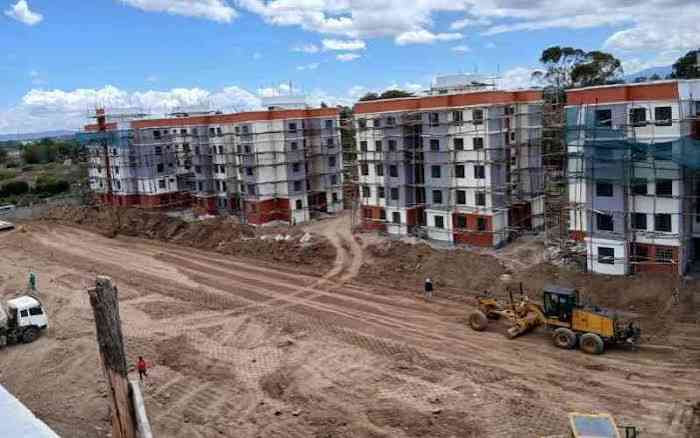
In her report for the financial year ended June 2024, Auditor General Nancy Gathungu highlighted that constituency development projects valued at Sh495.6 million, financed through NG-CDF had been abandoned or left incomplete in 29 constituencies, denying communities the services and facilities the projects were intended to provide.
“Stalled projects are an indication that the public has been denied benefits that would have accrued from the completed projects and that value for money invested in the projects has not been realised,” read the report in part.
The audit also pointed to delays and poor execution, revealing that projects worth Sh6.9 billion in 157 constituencies had not been completed within the planned timelines. This, the report noted, not only slowed down service delivery but also pushed up project costs, further burdening taxpayers.
Stay informed. Subscribe to our newsletter
And in March this year, EACC warned NG-CDF fund managers and committee members against corruption in the management of constituency funds.
EACC’S Chief executive Officer Abdi Mohamud, through the Commission’s Western Regional Manager, said that procurement fraud, proxy contracting, kickbacks, ghost projects, inflated project costs and bursaries awarded to non-existent students as some of the malpractices under investigation.
The anti-graft agency said it was investigating 67 cases involving alleged misuse of NG-CDF funds, including one case in which a single contractor is alleged to have irregularly secured 49 tenders worth more than Sh66 million across 11 counties.
Subscribe to our newsletter and stay updated on the latest developments and special offers!


 Prefer the Standard on Google






 join
join