×

The Standard e-Paper
Join Thousands Daily
 The Standard Group Plc is a
multi-media organization with investments in media platforms spanning newspaper
print operations, television, radio broadcasting, digital and online services. The
Standard Group is recognized as a leading multi-media house in Kenya with a key
influence in matters of national and international interest.
The Standard Group Plc is a
multi-media organization with investments in media platforms spanning newspaper
print operations, television, radio broadcasting, digital and online services. The
Standard Group is recognized as a leading multi-media house in Kenya with a key
influence in matters of national and international interest.

Audio By Vocalize
A growing number of motorists are raising concerns about fines issued by the National Transport and Safety Authority's (NTSA) automated speed camera system, claiming they are being penalised without sufficient warning, transparency, or an opportunity to challenge the alleged offences.
The complaints come after the government rolled out a nationwide network of smart traffic cameras aimed at curbing speeding and reducing road carnage.
The cameras automatically detect speeding vehicles, identify registration numbers and generate instant penalties, with notifications sent to registered vehicle owners via SMS.
While authorities have hailed the technology as a game-changer in road safety, many drivers say the system has become a source of frustration and financial burden.
Some motorists claim they have received multiple speeding fines within a single journey, while others argue they were penalised despite maintaining the posted speed limits.
In some places, motorists argue that most signs are on one side of the road, even though the road is a dual carriageway, making it difficult for most road users.
Several have questioned the accuracy of the cameras, citing cases where they were allegedly fined long after travelling through the affected roads.
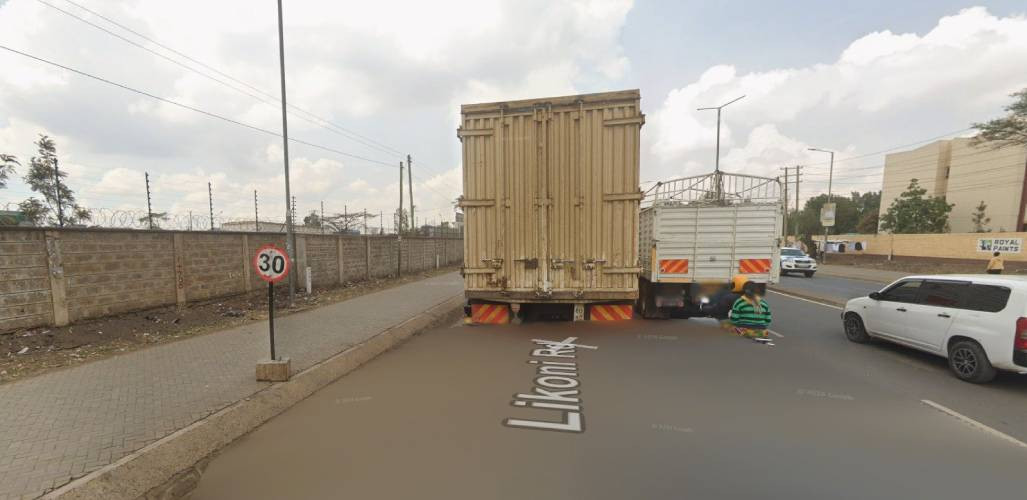
The debate has been raging on social media, with the latest complaint being on the speed signage along Likoni Road, Nairobi, where motorists are mandated to drive at 30km/h.
"NTSA can't be the complainant, regulator, enforcer, prosecutor, Jury, judge, and collector all-in-one. They could be chasing internal collection targets, while hurting the common man,"
Others have expressed concern over the placement of some speed cameras, saying they are positioned in areas where speed limit signs are either unclear, obscured or insufficient.
"They fined me near Industrial Park Eastern Bypass where on that entire stretch there is no sign indicating the speed limit. This is a shakedown; someone is minting this money," a user on X lamented.
According to the drivers, this leaves road users vulnerable to inadvertent violations.
"There is no problem with enforcing traffic laws, but motorists deserve clear signage, accurate records and a fair opportunity to dispute fines they believe were issued in error," said one driver who recently received multiple speed notifications along the Northern Bypass.
The automated enforcement system forms part of NTSA's broader road safety reforms under the Minor Traffic Offences Framework, which allows specified offences to be handled administratively instead of through the courts.
NTSA says the initiative is intended to eliminate corruption associated with roadside enforcement, improve compliance with traffic laws and reduce the backlog of traffic cases in courts.
Stay informed. Subscribe to our newsletter
Under the framework, speeding attracts graduated penalties depending on how far a driver exceeds the prescribed limit.
Minor violations may attract warnings or lower fines, while more serious offences carry significantly higher penalties.
The automated fines programme also faced an earlier legal challenge after petitioners argued that motorists were being punished without adequate due process.
The dispute centred on whether automated enforcement infringed constitutional rights to fair administrative action and a fair hearing before penalties are imposed.
Road safety experts, however, maintain that excessive speed remains one of the leading causes of fatal crashes in Kenya and argue that consistent, technology-driven enforcement is more effective than sporadic roadside operations.
They contend that unlike manual enforcement, automated cameras minimise opportunities for bribery and apply traffic laws uniformly to all motorists.
Even so, transport stakeholders are urging NTSA to improve public awareness, ensure speed limit signs are visible and regularly calibrated, and establish an efficient appeals mechanism for motorists who believe they have been wrongly fined.
According to Volume 6 on Traffic Control Facilities and the Traffic Signs Manual, the Ministry of Transport is mandated to ensure the speed limit sign boards are erected above pedestrian footways with a minimum clearance of 2.2m from the bottom of the sign to the pavement.
At the same time, the signs should be placed at an absolute minimum horizontal clearance of 0.5 m from the outer edge of the usable shoulder or carriageway.
Subscribe to our newsletter and stay updated on the latest developments and special offers!


 Prefer the Standard on Google







 join
join