×

The Standard e-Paper
Kenya’s Boldest Voice
 The Standard Group Plc is a
multi-media organization with investments in media platforms spanning newspaper
print operations, television, radio broadcasting, digital and online services. The
Standard Group is recognized as a leading multi-media house in Kenya with a key
influence in matters of national and international interest.
The Standard Group Plc is a
multi-media organization with investments in media platforms spanning newspaper
print operations, television, radio broadcasting, digital and online services. The
Standard Group is recognized as a leading multi-media house in Kenya with a key
influence in matters of national and international interest.

Audio By Vocalize
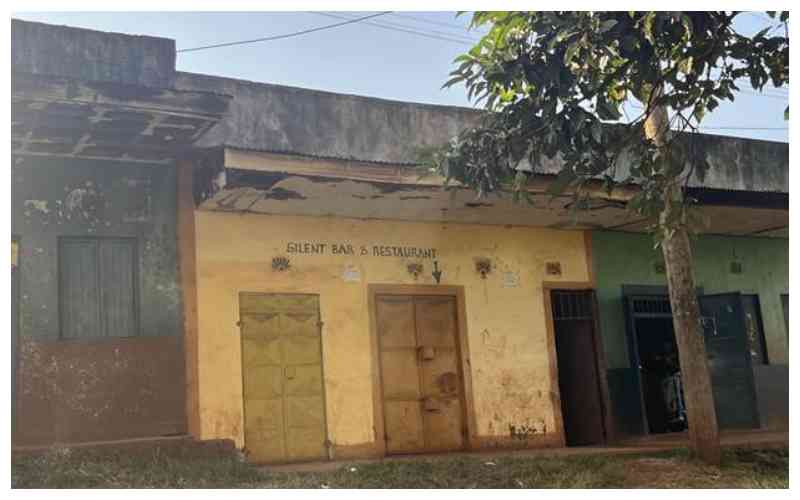
Some places look far yet are near. One such place is Giatutu in Muranga’s Location One or Loco 1. I have wondered why this unique location naming system was discontinued: it gave Murang'a an identity. A funeral took me to Loco 1.
Giatutu is only about two hours’ drive from Nairobi. You turn left at Blue Posts Hotel towards Ndaka-ini, where Nairobi water comes from. Pass through Jogoo Kimakia estate; remember the famous buses?
Then drive for about 10 kilometres through the coffee plantations interrupted by new housing developments and greenhouses. This is the coffee belt that has not changed for 100 years. It extends to Kiambu. I was told there used to be a “no man’s land" between these estates and native reserves. The land buffer zone was settled after uhuru (independence).
Through small towns like Mabanda, Gatunyu, Kirwara, Gaitegi, and finally Giatutu. That was my destination. It’s a green place with bananas, maize, coffee and tubers like nduma and ngwaci. Fruits like avocados and mangoes seem to do well.
I was informed that the place where nduma grows affects its taste, just like coffee and other crops. Life at Giatutu is slow. The shopping centre seems tired and old, with no evidence of new buildings. Anyone from there would wonder where the money to build skyscrapers in Nairobi comes from.
Devolution dividends seem far from Giatutu. The few employment opportunities seem to be in the coffee farms and green houses, no major factory except in Thika town.
How do we jumpstart the economies of such places beyond subsistence?
Would cooperative societies make a difference? New crops? What would attract investors to such places?
One problem of such rural places is “brain drain”; the best brains leave after school, leading to stagnation. Land ownership through family lineage makes it hard to bring new people and new thinking. That is typical of rural places.
But there is a bright spot: innovations in agriculture come but in a trickle; greenhouses and grafted fruits like avocados. This grafting has links to Western Kenya, Mount Elgon Orchards. Who can bring a change of fortune to Giatutu? Who will awaken the silent bar and restaurant which seem to have gone silent a long time ago? Who owns this bar and restaurant?
On the way back in the evening, I found a traffic “cobweb” around Blue Posts Hotel that would defy artificial intelligence to explain. Who can explain that chaos?
Subscribe to our newsletter and stay updated on the latest developments and special offers!


 Prefer the Standard on Google









 join
join