×

The Standard e-Paper
Stay Informed, Even Offline
 The Standard Group Plc is a
multi-media organization with investments in media platforms spanning newspaper
print operations, television, radio broadcasting, digital and online services. The
Standard Group is recognized as a leading multi-media house in Kenya with a key
influence in matters of national and international interest.
The Standard Group Plc is a
multi-media organization with investments in media platforms spanning newspaper
print operations, television, radio broadcasting, digital and online services. The
Standard Group is recognized as a leading multi-media house in Kenya with a key
influence in matters of national and international interest.

Audio By Vocalize
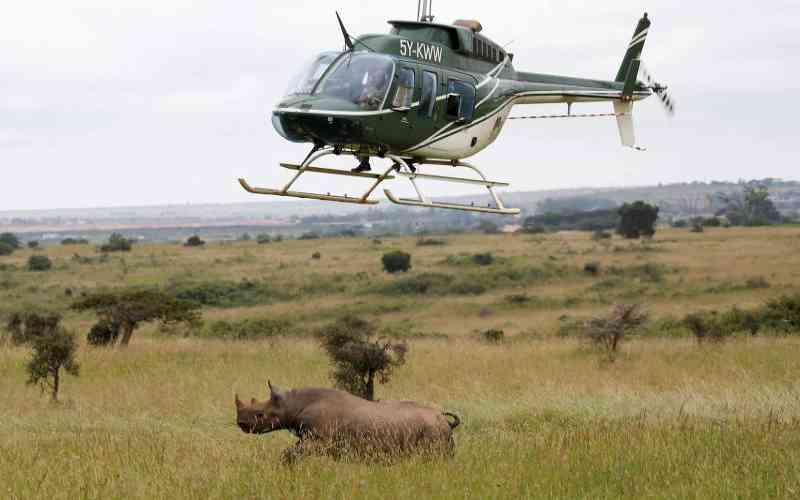
The Kenya Wildlife Service has raised an alarm over the widespread sale and consumption of game meat in the vast Tsavo Conservation Area (TCA).
KWS warned that the trend is severely affecting wildlife conservation efforts in Taita Taveta County.
Senior KWS officials said that poachers were indiscriminately killing wildlife, especially the small game, for food and trade.
Zainabu Salim, the KWS Assistant Director in charge of Community Services at the TCA, stated that some wildlife species, including dik-diks, antelopes, impalas, gazelles, giraffes, and buffaloes, are threatened with extinction due to subsistence and commercial poaching.
The director said the onset of drought is fuelling the bushmeat trade, warning that those perpetrating the vice, their days are numbered, and the law will soon catch up with them if found.
Intelligence sources said game meat has been finding its way into major towns of the county, with the stuff going cheaply. A dik-dik weighing about three kilograms goes for as low as Sh 400, while a kilogram of goat and cow goes for Sh 700 and Sh 600, respectively.
Those who consume bushmeat said the stuff is cheap for low-income earners and also more delicious than that of livestock.
Yesterday, Ms Salim warned locals against eating uninspected game meat, which could be harmful to their health.
Addressing a public meeting at Maungu Township yesterday, the official disclosed that dozens of local youths, the majority of them breadwinners of their families, are languishing in jail serving jail terms of between 10 and 20 years' imprisonment.
Salim said the worst-hit areas by poaching activities are the vast ranches and community conservancies, which also serve as major wildlife habitats. The Tsavo landscape has a total of over 1.4 million acres of land with 33 community conservancies.
"Bushmeat trade is on the rise, leading to the decimation of some wildlife species. What will our children benefit if we continue killing and destroying the environment?" posed the KWS official.
She said the future generation will suffer as a result of the effects of the bush-meat trade and environmental degradation. The director added that there should be concerted efforts among the relevant wildlife shareholders to bring down the menace.
“The unrelenting decline of some wildlife suggests many vital ecological and socio-economic services that these species provide will be lost, potentially changing ecosystems irrevocably.
We propose a multi-pronged conservation strategy to help save threatened animals from immediate extinction and avoid a collapse of food security for many people,” said the official.
As a measure to stop bushmeat trade, Salim disclosed that KWS and its development partners have embarked on forums to sensitise locals against consuming uninspected bushmeat, which will endanger their lives, as some diseases are spread by wildlife.
Stay informed. Subscribe to our newsletter
The director revealed that the consumption and sale of game meat are strictly illegal, as poaching severely threatens smaller local animals, and the government strictly enforces heavy penalties and jail sentences against perpetrators of the offences.
Consuming or possessing game meat is strictly illegal under Kenyan law. All wildlife within Kenya’s national parks is protected by the KWS, making hunting, selling, or purchasing bush meat a serious felony,” warned Salim.
At the same time, the onset of drought in the region, which is affecting wildlife and humans, is also fuelling the game meat trade, including subsistence and commercial poaching in the country’s largest wildlife ecosystem, with small game bearing the brunt of the illegal trade.
The Voi River is fast drying up and will badly affect hundreds of thousands of people and livestock downstream, including wildlife in Tsavo East and West National Parks, which entirely depend on the river ecosystem for survival.
Sources said locals have resorted to poaching and charcoal burning to support their families due to skyrocketing food prices.
“We have of late seen an increase in cases of bushmeat trade; some locals have resorted to poaching to put food on the table,” stated the director.
The perpetrators have been using high-powered lights at night and snares to catch the animals.
“Slaughtering of wildlife for consumption and trade is illegal, and anyone found doing so will face the full force of the law,” warned Salim.
Further, conservationists noted that illegal grazing in Tsavo East and West National Parks at night, charcoal burning, and cutting down of trees in community conservancies were badly affecting tourism activities in the region. “Tourists do not see the value of their money since they see more livestock than wildlife in Tsavo,” stated a conservationist.
The conservationist said there is a need to strengthen the management of community conservancies to make them more responsive to the changing wildlife trends.

Subscribe to our newsletter and stay updated on the latest developments and special offers!










 join
join