×

The Standard e-Paper
Join Thousands Daily
 The Standard Group Plc is a
multi-media organization with investments in media platforms spanning newspaper
print operations, television, radio broadcasting, digital and online services. The
Standard Group is recognized as a leading multi-media house in Kenya with a key
influence in matters of national and international interest.
The Standard Group Plc is a
multi-media organization with investments in media platforms spanning newspaper
print operations, television, radio broadcasting, digital and online services. The
Standard Group is recognized as a leading multi-media house in Kenya with a key
influence in matters of national and international interest.

Audio By Vocalize
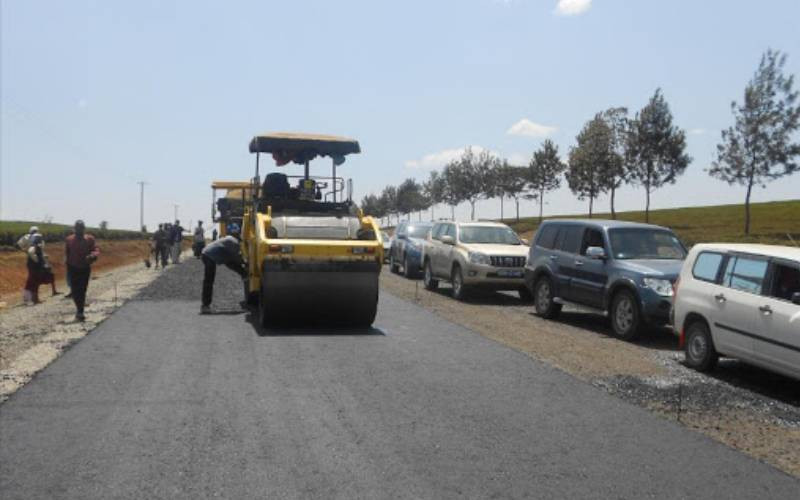
Nearly 80 per cent of Africa's infrastructure projects fail during planning, preventing most from reaching financial close despite growing investment, project management experts have said.
The experts argued that Africa's biggest infrastructure challenge is no longer raising money but turning investment commitments into projects that are ready for implementation.
"Investment commitments" must translate into "well-prepared, execution-ready and bankable projects," wrote George Asamani, managing director for Sub-Saharan Africa at the Project Management Institute, and Lavagnon Ika, professor of project management at the Telfer School of Management.
According to the authors, fewer than 10 per cent of Africa's infrastructure projects reach financial close, while nearly 80 per cent fail during the feasibility or business planning stage, creating what they described as an execution gap.
They cited data from the African Development Bank showing the continent requires about US$400 billion (Sh51.7 trillion) annually for infrastructure but said weak project preparation continues to prevent investments from translating into completed projects.
The authors pointed to South Africa as an example of the challenge. Since 2018, the country has secured more than US$91 billion (Sh11.8 trillion) in investment pledges through its investment conferences, but only US$38.6 billion (Sh4.99 trillion), or just under 42 per cent, had entered the economy by March 2026.
Many projects stall not for lack of financing but because they "fail to progress through the complex preparation and development processes" needed to attract investment, Asamani and Ika wrote.
They said early project preparation extends beyond feasibility studies and includes engineering assessments, environmental and social reviews, financial structuring, regulatory approvals, stakeholder coordination, permitting and implementation planning.
The authors added that many projects lose momentum before construction begins because institutions lack the capacity to prepare investment-ready proposals.
They also cited lessons from the first phase of the Programme for Infrastructure Development in Africa, which delivered more than 16,000 kilometres of roads and expanded digital and energy connectivity but exposed weaknesses in early-stage project preparation.
Without stronger upstream capacity, "even well-funded infrastructure ambitions struggle to move from commitment to implementation," the authors wrote.
The piece also warned that the global construction industry could face a shortage of nearly 2.5 million project professionals by 2035, with Sub-Saharan Africa expected to experience one of the fastest increases in demand for project management skills.
The authors urged governments to invest in project management capacity alongside infrastructure financing by strengthening project preparation institutions, expanding professional training and embedding skills development into infrastructure programmes.
Unless capability investment "moves from rhetoric to reality," Asamani and Ika wrote, Africa risks slowing the pace at which infrastructure can unlock growth and improve living standards across the continent.
Stay informed. Subscribe to our newsletter
Subscribe to our newsletter and stay updated on the latest developments and special offers!


 Prefer the Standard on Google





 join
join