×

The Standard e-Paper
Kenya’s Boldest Voice
 The Standard Group Plc is a
multi-media organization with investments in media platforms spanning newspaper
print operations, television, radio broadcasting, digital and online services. The
Standard Group is recognized as a leading multi-media house in Kenya with a key
influence in matters of national and international interest.
The Standard Group Plc is a
multi-media organization with investments in media platforms spanning newspaper
print operations, television, radio broadcasting, digital and online services. The
Standard Group is recognized as a leading multi-media house in Kenya with a key
influence in matters of national and international interest.
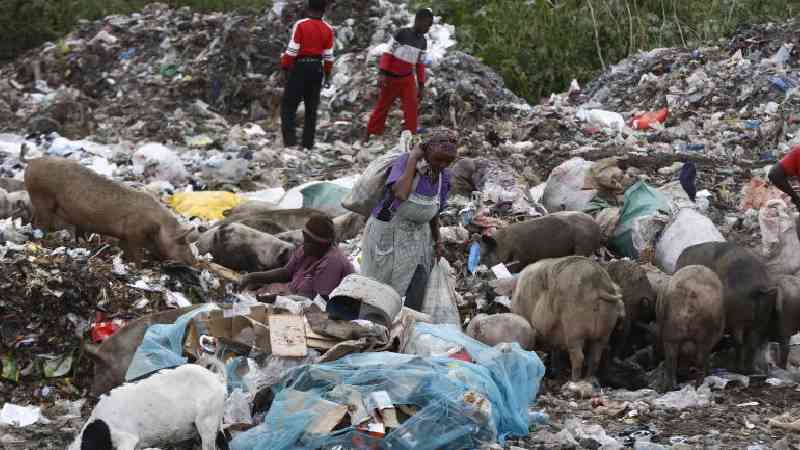
In the heart of the London Estate, Nakuru, where narrow paths wind through densely packed homes and daily survival is a constant challenge, a quiet but remarkable innovation is taking shape. Developed by 20-year-old Elvis Otieno, the project addresses the growing menace of plastic waste and could transform life in the estate, which borders Nakuru's largest landfill, the Gioto dumpsite.
Inside a modest compound, Otieno and his mother, Maureen Awuor, go about their daily chores. Awuor is quick to clarify that they are only caretakers of the property. Yet despite their humble circumstances, Otieno has refused to be defined by poverty. He is developing a system designed to create a cleaner, safer environment by reducing and potentially eliminating plastic waste.
Subscribe to our newsletter and stay updated on the latest developments and special offers!


 Prefer the Standard on Google