 The Standard Group Plc is a multi-media organization with investments in media
platforms spanning newspaper print
operations, television, radio broadcasting, digital and online services. The
Standard Group is recognized as a
leading multi-media house in Kenya with a key influence in matters of national and
international interest.
The Standard Group Plc is a multi-media organization with investments in media
platforms spanning newspaper print
operations, television, radio broadcasting, digital and online services. The
Standard Group is recognized as a
leading multi-media house in Kenya with a key influence in matters of national and
international interest.

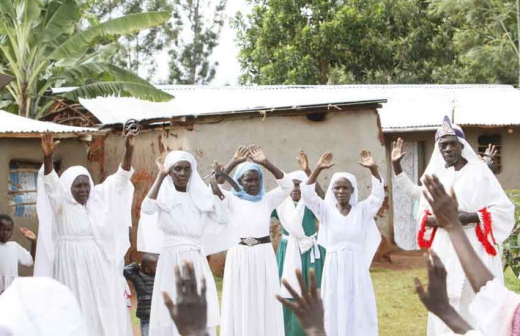
The self proclaimed God Wanyonyi's House of prayer at Chemororoch village [Photo: Jenipher Wachie]
Slow drum beats rise and form a steady tempo as we approach Chemororoch village in Uasin Gishu County. The sun is relentless. People dressed in flowing robes walk in small groups towards the gate leading to Jehova Wanyonyi’s church.
Nearer the gate, drum beats get louder, rising to a deafening crescendo when we step into the compound that once hosted self-proclaimed ‘God’ - Jehova Wanyonyi.
It is Saturday - the official prayer day for his flock - the Lost Israelites of Kenya. They have a ritual. Any member who arrives heads straight to a shrine at the centre of the compound, kneels before it, and sings in adoration of ‘Jehova’ before sitting for main service.
“What is that shrine? Is it where Wanyonyi was buried?” I ask.
Eliab Makokha Masinde, the man in charge of service casts an angry look at me. The congregation momentarily stops singing. Eliab lunges forward and his face gets close to mine.
“How can God die? Who said Jehova is dead? If that is what you came to do, you better leave before I start preaching,” he says.
I apologise. He shakes his head in fury, and says he is tired of non-believers disrupting his service to ask nonsensical questions.
The type that irks him most are those who insist Jehova Wanyonyi is dead. He explains that Jehova just stepped out briefly, and will be back. I apologise again.
He tells me I will be ashamed when Jehova comes back. Doubters like myself, he adds, will be the first to bow and fall when ‘god’ returns. The drum beats resume, followed by intense singing and dancing from the congregation.
A woman breaks into song, stumping the ground while dancing vigorously until dust rises from the ground and covers her entire body. The congregation joins in, clapping and singing. Their eyes are fixed on the shrine.
Stepped out briefly
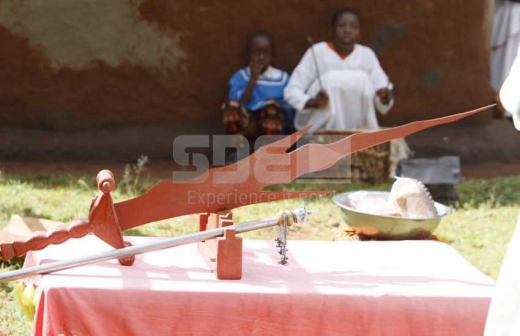
“This shrine is where we offer sacrifices and pray,” says Masinde.
They have continued their service presuming Wanyonyi is alive, despite leaked information that he is dead and buried.
They ignore taunts and mockery from people who make fun of the death of their god Wanyonyi. The one who declared himself immortal.
Masinde says Wanyonyi often talked about stepping away. He assured them he would hover around in spirit.
The mystery on Jehova Wanyonyi’s death continues two years after it was first reported. On July 19 2015, Kipsomba chief Daniel Busienei revealed that Wanyonyi’s children approached him, seeking a burial permit. He said the hospital where Wanyonyi is reported to have died needed it to release the body.
Paul Bett, the area assistant chief confirmed he had given the permit. Neighbours insist Wanyonyi was taken ill, and his children sneaked him away, never to return.
Masinde calls it malice – stories of fiction created by people intimidated by Jehova’s might.
“Let me ask again. How can god die? People talking about his death are cursed,” he says. He then draws a long breath, flips open a Bible and points at a verse.
“All those things about doubting god had been talked of before in this book,” he says.
The mystery deepens. Nobody knows if or where Wanyonyi was buried. His congregation insists he is alive, seated ‘somewhere’ and planning his return. Rumors that he was buried at his daughter’s home abound.
Others like Juma Iragi who claims to have followed Wanyonyi before realising he is a fraudster suspect he must have been taken to Uganda.
“He had a lot of followers in Uganda. I think his family took him there,” he says.
There is no evidence of a burial ceremony typical of Bukusu culture, or family members claiming to have attended Wanyonyi’s burial.
“That is because he is not dead! Jehova is alive,” says William Waswa, a follower.
The congregation comes alive. The drummer rises and hits the drum. His eyes are closed, a smile frozen on his face.
“Our god is alive!” Waswa shouts one more time. A woman hits two metal rods in rhythm with the drumbeats. The choir joins in, praising their god. Masinde steps in front, bible in hand.
He tells them in local dialect that the preaching will be brief. He explains he has to talk to guests, and protect Jehova’s name. They cheer.
He turns to us and says: “I have not replaced our Lord as most people think. Mine is to receive guests and take offerings,” he says, reminding us that we will have to give money to ‘view the shrine’.
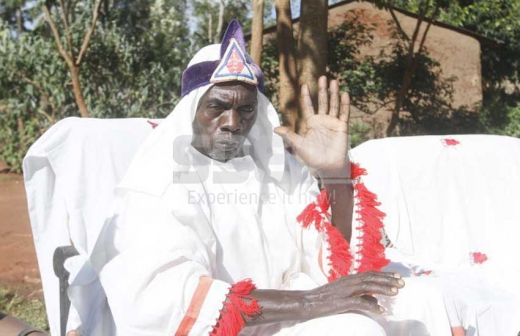
He then pauses and says: “god is irreplaceable. The chair he used to sit on; nobody has ever sat on since he stepped away.”
One of Wanyonyi’s 70 wives Sara Navai is ready to resume the duty of cooking for her master and Lord when he returns.
The sun gets hotter. They don’t have a built structure for worship yet, but they are hoping to build someday.
“Will you have a grand service when god returns?” I ask, deliberately choosing my words, not to offend.
Masinde looks at me and shakes his head. He licks his lips, scratches his head and says: “When jehova returns, it is the end of this world. There will be fire, storm, and this earth will tremble.”
He whistles, and his gaze holds mine.
“I feel sorry for those who wear tight clothes and women in trousers. Where will they hide their faces when Jehova returns?” he says.
As we pack to leave, they burst into song again: “Wele newicha ne ririma” – god when you return, come gently, not with anger!)
Waswa explains the choice of song. He says it is a prayer for Wanyonyi not to crack the ground, shatter the mountains and ruin the world when he returns.




