 The Standard Group Plc is a multi-media organization with investments in media
platforms spanning newspaper print
operations, television, radio broadcasting, digital and online services. The
Standard Group is recognized as a
leading multi-media house in Kenya with a key influence in matters of national and
international interest.
The Standard Group Plc is a multi-media organization with investments in media
platforms spanning newspaper print
operations, television, radio broadcasting, digital and online services. The
Standard Group is recognized as a
leading multi-media house in Kenya with a key influence in matters of national and
international interest.

The expatriate is usually one of his home country’s more liberal and, he likes to think, enlightened members. To this end, he loves diversity, different cultural experiences, and he has a profound regard and respect for the environment in its great, interconnected vastness. Consequently, he’s a fan of recycling.
If the expatriate hails from northern Europe, he will have grown up in a society dedicated to the important art of recycling. Plastic bottles, aluminium cans, paper products, waste water, leftover supermarket food and all manner of other things, are always recycled. Indeed, in Norway and other such countries, nearly 100 per cent of all plastics are recycled, and this in vast warehouses that do great, ethical business from it.
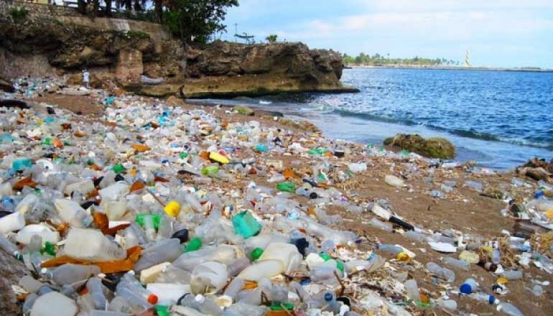
In Kenya, however, recycling means allowing rubbish to come back over and over again. While taking a stroll along Kenya’s coastal beaches, dodging geriatric white men with their young Kenyan beauties and beach boys who want to sell him bhang by the kilogramme, the expatriate can’t help but notice the tideline. Here, if he is walking out before paid hotel staff have collected it, the expatriate will discover all sorts of joys that have washed up from further along the shoreline or, sometimes, from as far away as South Asia.
Amongst these gifts from the ocean, he will discover plastic bags, flip-flops (‘sandals’) in their hundreds, polystyrene lumps, soda bottles, drug-user syringes and various colours of used condoms. While in his home country the expatriate is used to encountering seamen along the coast, to step in their homophone can be quite distressing.
Of course, the Kenyan ‘solution’ to this menace (which creates filth, kills wildlife and ends up back in our food chain) is not to prevent the problem, but rather it is to superficially sweep up the rubbish before the tourist awakes. One wonders whether, if tourists didn’t contribute to the economy, the authorities would even bother cleaning up the rubbish for the benefit of their own Kenyan citizens, but there we are. It’s a little bit like ‘street families’ in town; we don’t solve the issue of their poverty, but rather, we just move them along, out of sight and mind. What seems to matter in Kenya is not that something is solved, but that it’s made invisible to the rich.
The expatriate fails to notice that actually, this is often how his own country’s elite treats the underclass, too, but there we are.
No-one’s suggesting that Kenya is a vast rubbish bin where it once had a reputation for being ‘unspoilt nature’, a reputation that was equally snooty and patronising; nor that the national anthem’s line, plenty be found within our borders, is really a reference to litter rather than, during a time of looming famine, food crops. But the expatriate does fairly wonder whether it’s right that we have more plastic bags floating in the sky and catching in trees than we have birds, or more crisp (‘crissip’ or ‘crips’) packets along our city pavements than we have plants.




