 The Standard Group Plc is a multi-media organization with investments in media
platforms spanning newspaper print
operations, television, radio broadcasting, digital and online services. The
Standard Group is recognized as a
leading multi-media house in Kenya with a key influence in matters of national and
international interest.
The Standard Group Plc is a multi-media organization with investments in media
platforms spanning newspaper print
operations, television, radio broadcasting, digital and online services. The
Standard Group is recognized as a
leading multi-media house in Kenya with a key influence in matters of national and
international interest.

Nothing had prepared the six young men who had flown for over 10 hours from Nairobi using two connecting flights plus a 12-hour layover in Istanbul, Turkey, for what was waiting for them on the ground at Vnukovo International Airport in Moscow, Russia.
Among the six was George Gichia, a 34-year-old father of one who had worked as a bus conductor for the last five years. He had been convinced to fight for Russia as a mercenary with the promise of receiving millions of shillings, which would have moved his family out of poverty.
They landed in Moscow at about 9am after being successfully trafficked through the Jomo Kenyatta International Airport (JKIA) at 3am the previous day. The only thing that remained between them and their destiny was being picked up by a handler at the airport and a sign-on fee of two million shillings deposited in their accounts. Or so they thought.
They had, a day before leaving Nairobi, each signed what they thought was a two-year contract enlisting them in the Russian army. They had also had their body measurements taken and were made to recite an oath, which was recorded on video and reportedly sent to Russia.
In essence, they were flying to Russia as soldiers with Kenyan passports, until reality hit them like a speeding freight train.
Flying out
"At the airport in Moscow, our passports were taken away by a police officer and the six of us were detained," Gichia would later write in a sworn statement with the Directorate of Criminal Investigations (DCI), and which is now part of the evidence being investigated as the police race to crack down on a multinational crime ring that is trafficking Kenyans to Russia.
It is still unclear why the Russian police detained Gichia and his five compatriots at Vnukovo International Airport. What is most likely is that they had been duped by Kenyan agents of being enlisted in the Russian Army before being dumped on a one-way flight from Nairobi to Moscow.
Unable to explain to immigration officials what had brought them to Moscow, the six were allowed to breathe Russian air for 12 hours and then put on another flight back to Istanbul. Their passports were only handed to them by air hostesses once they were in the air.
Once back in Nairobi, they were picked up by a taxi and driven to a safe house in Athi River, rented by the same traffickers who had taken their money and promised them nirvana in Europe. It was a great miscalculation. Police officers broke down the door four days later and arrested 22 men who were holed up in three apartments at Greatwall Gardens.
"I don't know," Gichia responded when The Standard later reached out to him to find out why they were turned away by the Russian government.
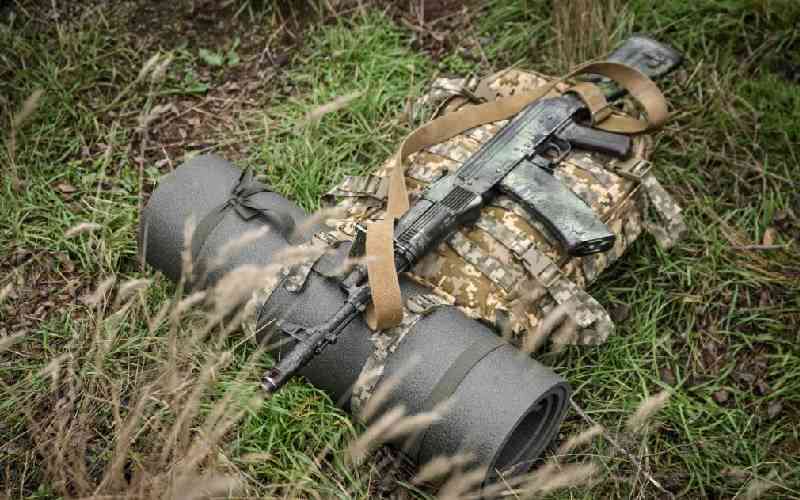
Gichia's case is not unique. It is part of a pattern that is currently being played by a syndicate of well-connected agents that are supplying Russia's war machine with desperate job seekers through promises of a better life if they agree to pick up arms as mercenaries.
After reviewing hundreds of pages of witness statements and evidence collected by the police, The Standard can today identify the Kenyans who are selling their fellow countrymen, the methods they use to recruit, and why the recruitment process is just a facade whose sole purpose is to mint money for the recruiters.
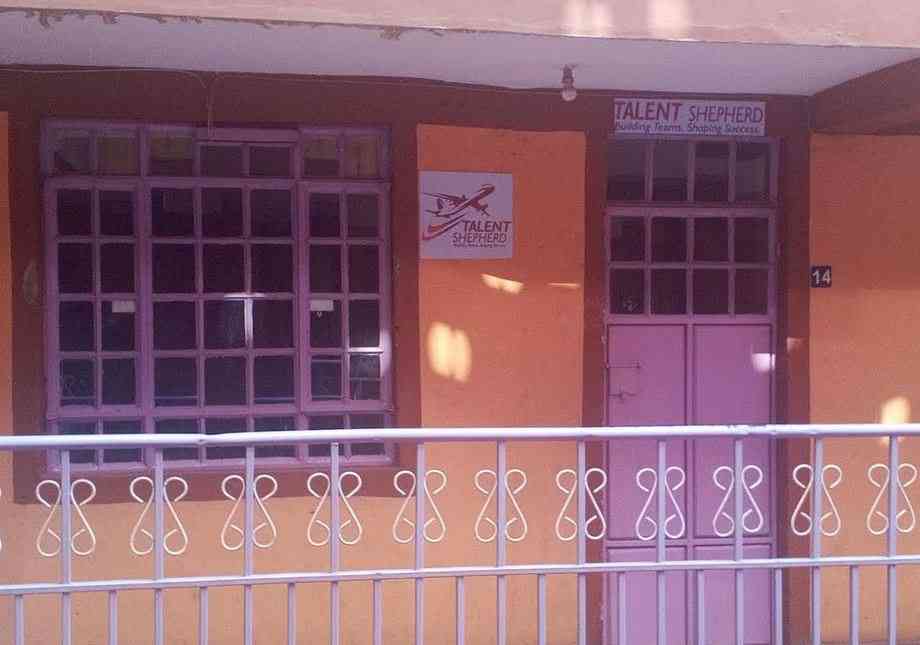
Two recruitment agencies, Chelete Global Face located in Westlands and Talent Shepherd, were identified by the 22 men who were rescued from an apartment block in Athi River in September, while enroute to Russia and are currently under investigation.
It is still not yet known how many people the two agencies have managed to ship to Russia to join the war.
Available evidence, which is tied to the September 24 raid on three apartments in Athi River, however, shows that the syndicate had trafficked people to Russia from this particular location for at least a month before the police found out.
On August 25, a man named Boniface Loyford approached Kevinah Naliaka, who operates short stay rentals at the Greatwall Apartments saying he had visitors who were flying out and wanted a place to stay as they waited for their flight.
"He did not mention the details of the country the visitors were going to and neither did he say when they were going to travel," said Naliaka.
Naliaka agreed to rent Loyford House Number M18 for Sh3,500 per day. The house was paid for by Edward Gituku. On September 4, Gituku called Naliaka and told her that his guests had checked out and that he needed another house for two more guests.
Naliaka gave him house number MK-11. Four days later, on September 8, Gituku asked for another house. He was given A27 and then M-14. He occupied the three houses until September 24 when police raided them and rescued the recruits who were waiting to travel.
According to available evidence, the 22 people who were rescued by the police started arriving at the Greatwall Apartments on September 15, meaning dozens of recruits had potentially been flown out by then.
Among those who managed to make it to Russia are former soldiers Samuel Maina, Barasa Michael, Rueben Wangari, Maxwell Maina, David Kuloba, Samuel Tariq and Jobick Otieno. They all flew out on August 20 and are currently in Russia. Kuloba has since died.
For one month, the Greatwall Apartments acted as a mid-point for Kenyans recruited by this particular syndicate. Here they were processed, had their body measurements taken before being driven to JKIA to board flights to Russia. Interestingly, Talent Shepherd, which was one of the main supply pipelines for the syndicate, is located just opposite the Kasarani police station.
In fact, as at Friday, the company's Tiktok page had a live post saying, "Security guards needed in Russia. Salary $2000. Requirement: Passport and medical." The post was put up on September 19.
On September 9, Dennis Thiongo was scrolling through his TikTok feed when he stumbled upon a live chat by a user known as Innocent Soul, 38.
"I joined the live chat where the lady was advertising job opportunities in Russia. I got interested because they said the jobs did not require any qualifications," he later told the DCI.
Hooked, Thiongo side-chatted with the beautiful woman who we have since established is an employee at Talent Shepherd. She has appeared in several of their promotional materials. She gave him her number and they began communicating.
A day later, he was invited to the company's offices where a Mr Amos and Ms Judy welcomed him. They were also joined by Francis Wahome.
According to Thiongo, it is Wahome who directed him where to go for a medical check-up.
Wahome is the chairman of the Association of Skilled Migrant Agencies of Kenya. He has been mentioned a number of times in the investigation documents we acquired as having played a role at Talent Shepherd. He declined to pick up our calls or respond to our questions.
Anyway, after passing the medical test as instructed by Wahome, Thiongo was asked to pay Sh200,000 for processing a visa, flight booking and a commission to the agency. Desperate, he contacted his girlfriend, Patience who lives in Mombasa for assistance. She asked for Judy and Wahome's contacts so that she could negotiate with them directly.
"Four days later, I received a phone call from Judy asking me to report to the agency's office immediately. Upon arrival, I found Patience who had travelled from Mombasa to assist me. Amos informed me that they had agreed we pay Sh150,000," he said.
With the payment issue having been settled, Thiongo was told to report to the office on September 23. He was joined by Boniface Ndarwa, a farmer from Nyandarua who had been linked to Talent Shepherd by his mother.
They left the Kasarani office with Wahome in an Uber for town where they were handed over to another woman. The woman walked them to the Railways terminus where she ordered a taxi to take them to Greatwall Gardens in Athi River where they were supposed to stay while waiting for a flight to Russia.
Thiongo and Ndarwa's story mirrors that of Geoffrey Roho, Ezra Rotich, Lawrence Mbugua, Anthony Njorige, Nixon Aubala, Elijah Kirimi, Stephen Obiria, Samuel Magovi, Paul Mwangi, Jasper Kibagendi, Duncan Kupere, Cornelius Kisanya and several others who were lucky enough not to go Russia. Each recruit was required to pay at least Sh200,000 as commission and processing fees. Those who did not have passports were connected to corrupt officials at the Immigration Department at Nyayo House who were producing them within hours of receiving a Sh12,000 fee.
A woman called Lucy is one of suspected recruiters currently under investigation for trafficking Kenyans to Russia. Others are Gilbert Kirui, Shaffi Habiba and Dahabo Mustafa.
The recruits, most of whom have never been in the army, are trained for barely two weeks before being sent to the front line to fight in a war in which Kenya has no interest at all.
Contacted, Chelete Global Agency denied any involvement with cases of facilitating job seekers to travel to Russia.
Speaking to The Standard on phone yesterday, Victoria Njoki, a director said their work is not only legal but they also acquired a licence with National Employment Authority (NEA) to operate. According to information on NEA website, Chelete was licensed in 2022 and its certificate of operation is valid until August next year.
On the other hand, attempts to reach out to Talent Shepherd recruitment agency were futile as their cellphone number was switched off for the better part of the day.




