 The Standard Group Plc is a multi-media organization with investments in media
platforms spanning newspaper print
operations, television, radio broadcasting, digital and online services. The
Standard Group is recognized as a
leading multi-media house in Kenya with a key influence in matters of national and
international interest.
The Standard Group Plc is a multi-media organization with investments in media
platforms spanning newspaper print
operations, television, radio broadcasting, digital and online services. The
Standard Group is recognized as a
leading multi-media house in Kenya with a key influence in matters of national and
international interest.

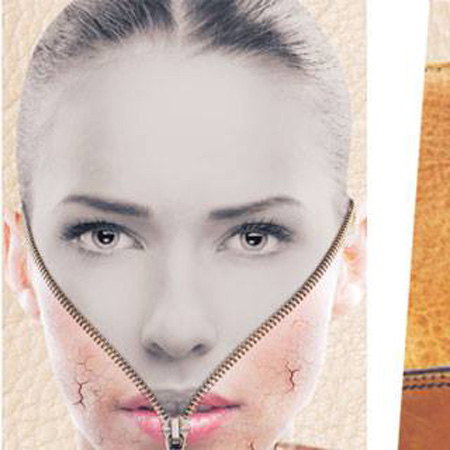 Human skin used as leather products
A local expert in leather tanning has said it would take the same processing techniques to turn human skin into leather – if the law allowed it.
Elkanah Malala has said human skin can produce durable leather except that it is viewed as a violation of human rights.
“If we can source leather from fish and chicken, what about the human one? It is possible but against the law and dignity of human beings,” Malala, the Senior Assistant Leather Development Officer at the Department of Veterinary Services, told The Nairobi.
Last month, The Nairobian revealed that local human leather products like bags, belts and shoes are in the market and are distributed by international companies.
Research has esablished that human leather is the finest grain leather obtainable. It is free from defects and has the smallest grain size, which makes it the smooth, softest leather on earth.
While human leather was used to make several kinds of items in the 17th Century, today it is a discreet business and in Kenya, illegal.
Maryanne Murimi, a city based lawyer, told The Nairobian that skinning human beings for leather is utter dehumanisation and violation of human rights and dignity.
“Human beings whether alive or dead are protected and respected under the law,” Murimi said.
“Even if one was to offer his skin for that purpose after death, that would not happen. You can only give your body for studies and research but not to produce items.”
A resident, Lewis Namale, told The Nairobian he would not mind adorning or using products made from the human skin. “Decades ago some communities around the world and Africa used the skin in several ways, so I don’t see why I cannot use products from such leather,” Namale, a tour operator, said.




