 The Standard Group Plc is a multi-media organization with investments in media
platforms spanning newspaper print
operations, television, radio broadcasting, digital and online services. The
Standard Group is recognized as a
leading multi-media house in Kenya with a key influence in matters of national and
international interest.
The Standard Group Plc is a multi-media organization with investments in media
platforms spanning newspaper print
operations, television, radio broadcasting, digital and online services. The
Standard Group is recognized as a
leading multi-media house in Kenya with a key influence in matters of national and
international interest.

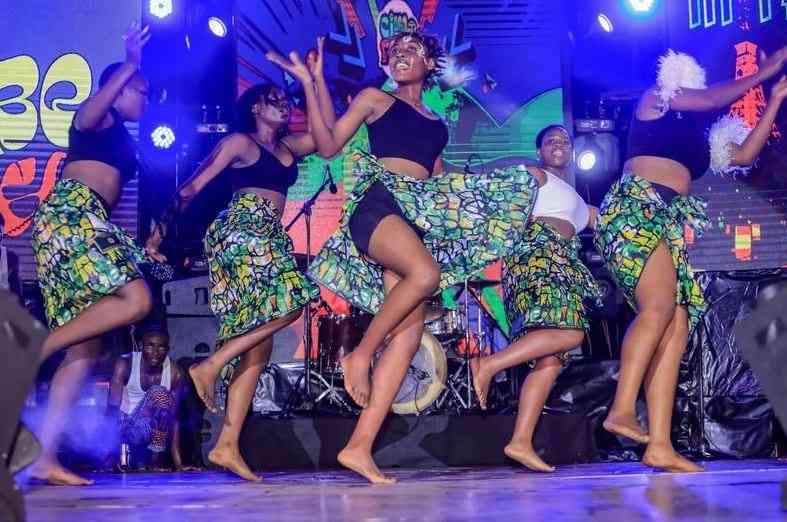
At the foot of Mount Cameroon, where gunfire and flames sometimes drown out daily life, lilting songs filled the air, above instrumental melodies and backing singers' quiet harmonies at the Cameroon International Music Festival (CIMFEST).
More than 30,000 people attended the festival that ended on Sunday in Buea, a town about 300 km west of Yaounde, the capital.
For local youth, this was transformative -- like the world had arrived overnight. Thousands queued for a chance to watch their favorite artists perform at Molyko Omnisport Stadium.
Amid an electric atmosphere, the audience clapped, cheered and sang along to more than 20 acts. Afro-pop artist Vera Nambu, who was among the first to perform, serenaded the crowd as she performed "Holy Ghost," a song focused on the adverse consequences of armed conflict.
"It was just like a dream come true," she said. "The moment I held the mic and I said 'Holy ghost', everyone was like 'waoo'!"
The final shimmering notes of the strings dissolved into the evening air, and a hush lingered at the concert venue, followed by warm and sustained applause.
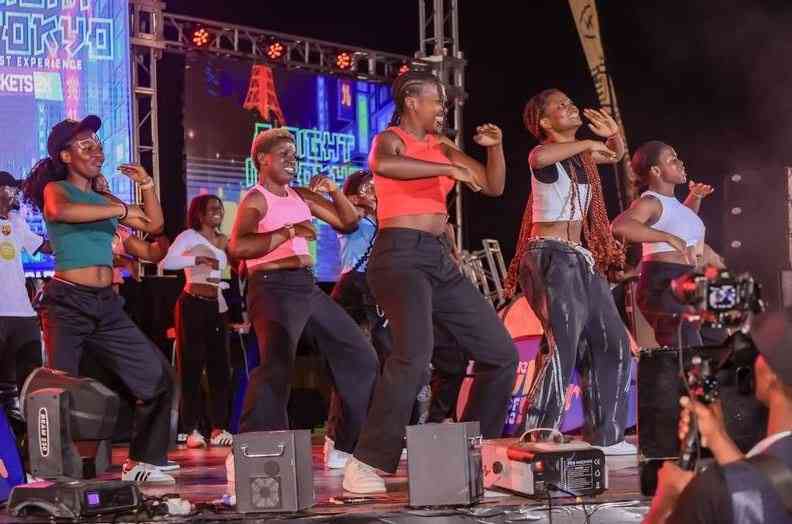
This moment was less about the close of a performance and more of a respite for a region buffeted by conflict. Cameroon's English-speaking regions of Northwest and Southwest have been locked in an armed separatist conflict since 2017, after fighting erupted between government forces and separatist militias who want to create a new nation in the regions.
Buea, the capital of the Southwest region, is deemed relatively safer despite the presence of armed groups on its outskirts.
Lizette Eyong, 18, drove about 20 minutes from Ekona, her native town, to stand among the crowd and watch Nambu's performance.
Eyong's early teens revolved around chaos and bloodshed. She was just 10 when the conflict started.
Her brother and father both died in the conflict.
For years, Eyong mourned them but found solace in singing and dancing. One of her teachers spotted her natural musicality and encouraged her to attend the festival.
"When I sing and dance, I feel relieved, I feel like I am flying," Eyong said, adding, "I came here to see the stars I watch on TV and online."
She said, "For people like us who have experienced firsthand what war can do, this festival is very important to give us hope of life, joy and opportunity."
Nambu, the Afro-pop artist, said the conflict had paused the entertainment industry, replacing it with trauma and horror. Where others saw problems, Michael Enobi saw the opportunity to reignite hope and peace.
He knew that Cameroon has a rich musical tradition and many renowned artists whose performance could offer "hope, smiles" to traumatized youth in the conflict zone.
That explained why, four years ago, the inaugural CIMFEST took shape.
"The whole idea was to build a system that is not just about entertainment and music but a proper system that can be able to create value," said the 36-year-old.
He added, "The entertainment industry is the soft-power arm of the government. This is the one arm that you can use to have a conversation with people. So yes, (CIMFEST) is giving back hope, it is bringing back life to the community."
For actress Joan Ngomba, the festival is a beacon that shines across borders, drawing global performing artists to Buea, where they can soak up the sunshine and collaborate with local youth to imagine and create.
"It gives the youth something they can smile and feel like they can contribute positively to society," she said. "It is really amazing when you can see artists, filmmakers, content creators, everybody coming together and not really fighting with each other, I feel like it is something that brings unity, love and talent together."
The festival also featured encounters such as masterclasses, an AI hackathon and exhibition of goods and services. It offered "a very worthy opportunity for business owners... to create awareness (and) increase sales," said 25-year-old Nicnoela Fonge, who exhibited handmade local products at the festival.
As night settled over Buea and festival curtains fell, Eyong, once aspirant for a medical career, stood with a quiet and renewed confidence in pursuing her new dream of becoming a musician.
"One day I will sing here, and people will applaud. I have met people who can help me achieve my dream. I will sing about my story, (about) how the conflict almost shattered my life," she said.




