×

The Standard e-Paper
Smart Minds Choose Us
 The Standard Group Plc is a
multi-media organization with investments in media platforms spanning newspaper
print operations, television, radio broadcasting, digital and online services. The
Standard Group is recognized as a leading multi-media house in Kenya with a key
influence in matters of national and international interest.
The Standard Group Plc is a
multi-media organization with investments in media platforms spanning newspaper
print operations, television, radio broadcasting, digital and online services. The
Standard Group is recognized as a leading multi-media house in Kenya with a key
influence in matters of national and international interest.
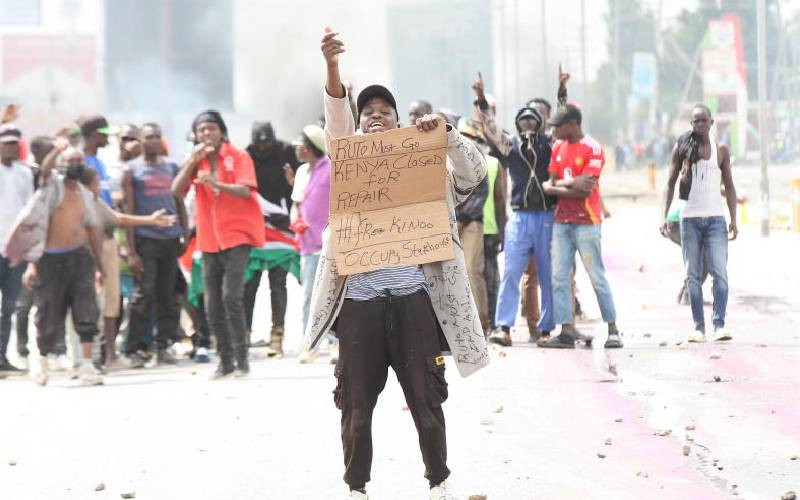
Days ago, a tribunal in Bangladesh indicted former Prime Minister (PM) Sheikh Hasina in absentia for crimes against humanity, following a leaked audio of the PM ordering for the shooting of protestors. Hasina fled the country for India in August 2024 after student protests overthrew her government and installed a transitional one. These protests began in 2022 when the youths demanded for reforms in the allocation of government jobs to younger people. But instead of addressing these concerns, Hasina used violence to quash the protests, which resulted in the deaths of hundreds of youths. The parallels between Kenya and Bangladesh up to this point are shocking.
Part of the evidence that bolstered Hasina's indictment was a report by the UN Human Rights Office (OHCHR) that found her personally culpable for the violence. Kenya, too, has received a message from the OHCHR, even though an investigation is yet to commence. Rather than await international action, however, the Judiciary of Bangladesh took matters into its own hands, choosing to indict the former PM. Clearly, according to Bangladeshi rule of law, ordering the shooting of protestors is so egregious as to constitute a crime against humanity.
Subscribe to our newsletter and stay updated on the latest developments and special offers!


 Prefer the Standard on Google








 join
join