×

The Standard e-Paper
Join Thousands Daily
 The Standard Group Plc is a
multi-media organization with investments in media platforms spanning newspaper
print operations, television, radio broadcasting, digital and online services. The
Standard Group is recognized as a leading multi-media house in Kenya with a key
influence in matters of national and international interest.
The Standard Group Plc is a
multi-media organization with investments in media platforms spanning newspaper
print operations, television, radio broadcasting, digital and online services. The
Standard Group is recognized as a leading multi-media house in Kenya with a key
influence in matters of national and international interest.
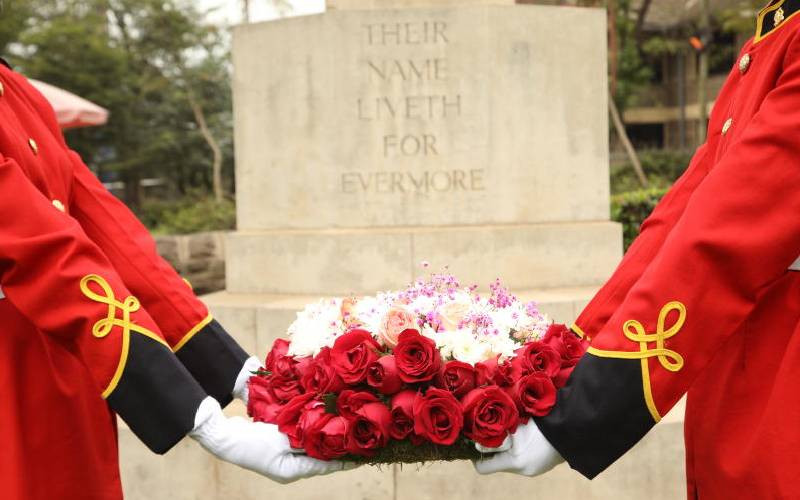
80 years ago, the Second World War ended with the capitulation of the German army. It was a watershed moment in European history. More than 60 million people had lost their lives through acts of war, many of whom were civilians and soldiers from the former Soviet Union. Germans had murdered more than 6 million European Jews in annihilation camps. As Germans, we accept our historical responsibility for the crimes against humanity and we are determined to pursue a culture of remembrance that upholds the historic truth about the war and that provides the political imperative of "never again".
In the aftermath of the atrocities committed by Germans, high-ranking members of the Nazi regime awaited the first ever international military tribunal, a milestone in the development of international law. But it took almost three decades before it became widely accepted in Germany to comprehend May 8, 1945 as the day of liberation from the inhumanity and tyranny of the Nazi-regime. The end of the war marked also the beginning of the division of Europe and, for many of our Eastern European partners, the beginning of Soviet occupation and oppression.

Subscribe to our newsletter and stay updated on the latest developments and special offers!








 join
join