×

The Standard e-Paper
Stay Informed, Even Offline
 The Standard Group Plc is a
multi-media organization with investments in media platforms spanning newspaper
print operations, television, radio broadcasting, digital and online services. The
Standard Group is recognized as a leading multi-media house in Kenya with a key
influence in matters of national and international interest.
The Standard Group Plc is a
multi-media organization with investments in media platforms spanning newspaper
print operations, television, radio broadcasting, digital and online services. The
Standard Group is recognized as a leading multi-media house in Kenya with a key
influence in matters of national and international interest.
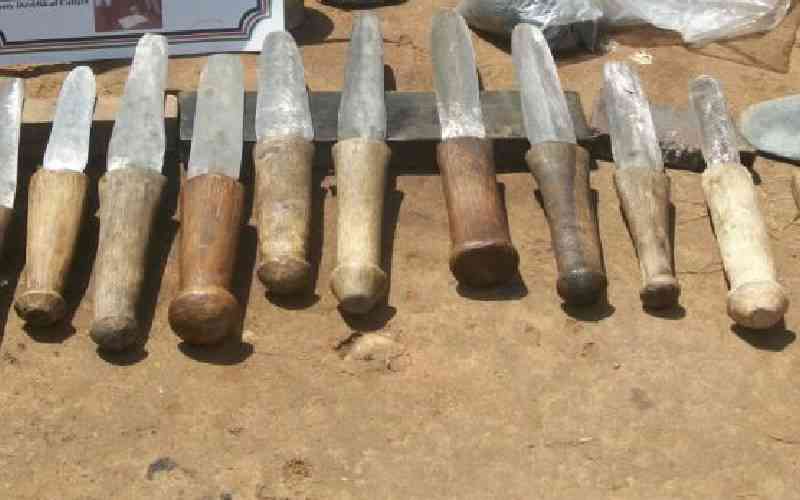
For long, male circumcision has been practiced religiously and with pride. However, numerous cases of death after circumcision have been recorded. In most cultures in Kenya, boys undergo the cut while aged between 10 and 13, mostly during school holidays. In Kalenjin land, the boys' families are advised to budget for their boys' meals through their stay at a secluded area known as Menjo. The boys are then taken to a designated area in the village where they are circumcised.
I recall once getting a glimpse of the cultural events that take place during that time. We used to help deliver meals to our paternal cousins after they were circumcised and would drop them off about five minutes away from their secluded area, as it was considered taboo to get too close, especially before the boys had healed. The boys a.k.a 'tarusiet', would cover themselves with traditional ceremonial attires and paint their bodies with ashes or mud, which symbolises their transition into manhood and protection throughout the ceremony. The sight was intimidating and the boys would run around the village chanting.
Subscribe to our newsletter and stay updated on the latest developments and special offers!


 Prefer the Standard on Google




 join
join