×

The Standard e-Paper
Kenya’s Boldest Voice
 The Standard Group Plc is a
multi-media organization with investments in media platforms spanning newspaper
print operations, television, radio broadcasting, digital and online services. The
Standard Group is recognized as a leading multi-media house in Kenya with a key
influence in matters of national and international interest.
The Standard Group Plc is a
multi-media organization with investments in media platforms spanning newspaper
print operations, television, radio broadcasting, digital and online services. The
Standard Group is recognized as a leading multi-media house in Kenya with a key
influence in matters of national and international interest.
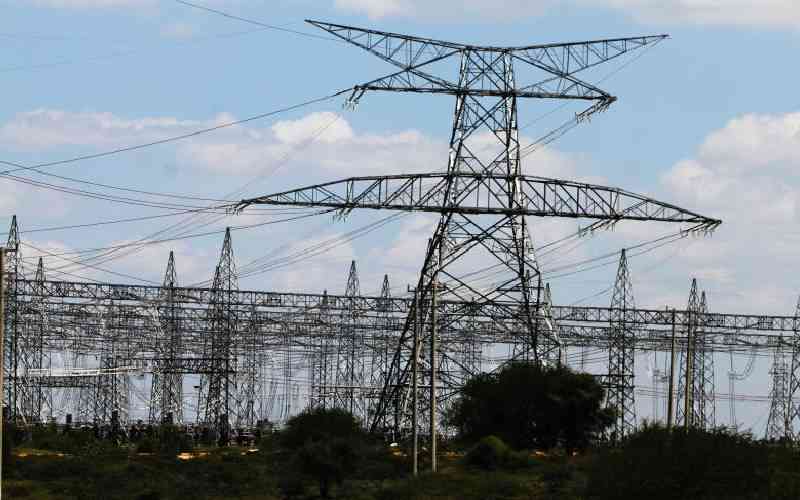
The recent confrontation between the Nairobi City Government and Kenya Power highlights an entrenched challenge in the provision of public services. Cities largely treat energy as a recurrent expense, investing little in cost management. As a result, electricity bills spiral, leaving local governments struggling to keep public facilities operational. Streetlights, meant to enhance security, become political showpieces, flickering on before elections and fading into darkness soon after due to cost constraints.
Urban centres are expanding, and with them, their energy needs. Public hospitals, schools, markets, and administrative offices are among the largest consumers of electricity, yet most remain tethered to Kenya Power's grid despite frequent supply disruptions and rising costs. The financial strain is significant. Power bills for major hospitals, for instance, run into staggering amounts, intensifying disputes between city governments and the utility company. Public institutions, already reliant on subsidies, find themselves further burdened.
Subscribe to our newsletter and stay updated on the latest developments and special offers!


 Prefer the Standard on Google