The Standard Group Plc is a
multi-media organization with investments in media platforms spanning newspaper
print operations, television, radio broadcasting, digital and online services. The
Standard Group is recognized as a leading multi-media house in Kenya with a key
influence in matters of national and international interest.
What is it that comes to your mind when you first interact with an insect in your house or office?
While many people will react by picking up a weapon and smashing the “creepy crawly” to death, the remaining few are reaping millions of shillings, bubbling with good health from embracing and exploiting the many opportunities around the insect that go beyond the unfortunate crop-eating, disease-carrying reputations associated with the beautiful insects.
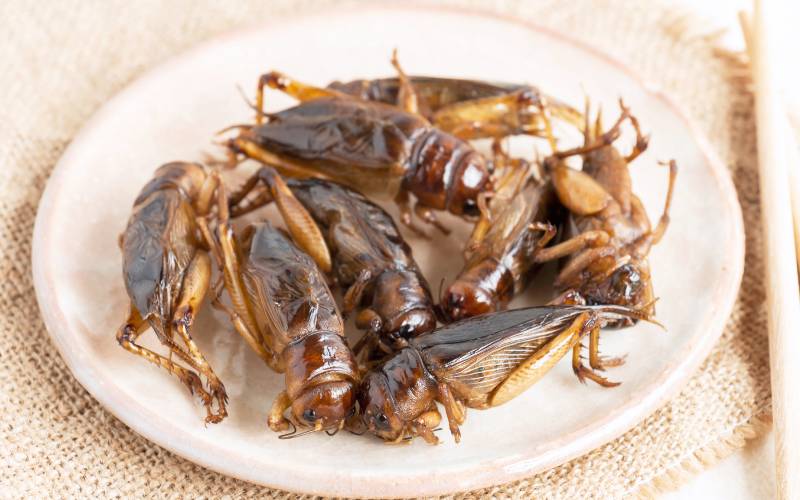
Researchers at Jomo Kenyatta University of Agriculture and Technology(JKUAT), have made headlines in the past for their breakthrough discoveries on the commercial and health benefits of consuming insects such as crickets and more recently, a specific type of snail and now, a new delicacy among Kenyans, called Longhorn Grasshopper (Ruspolia differens) commonly known in Swahili as Senene.
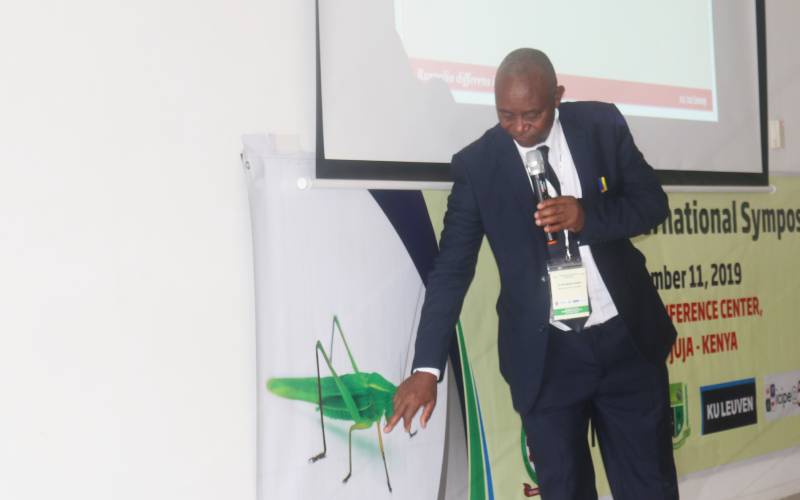
During the First Ruspolia International Symposium staged at JKUAT on December 11, 2019, researchers acknowledged that the Longhorn grasshopper which is highly underutilized especially among Kenyans is of high commercial value, and Uganda and Tanzania are already reaping huge rewards from the delicacy.
“In Tanzania for instance, Senene is a popular delicacy especially during the swarming season when they are plenty. About half a cup of the Senene would sell for approximately Ksh. 600 when they are out of season and you would buy the same quantity for Ksh. 300 during the swarming season,” said Mercy Mmari, a food nutritionist from Tanzania.
Dr Nicodemus Matojo.
Get Full Access for Ksh299/Week.
Uncover the stories others won’t tell. Subscribe now for exclusive access

 The Standard Group Plc is a
multi-media organization with investments in media platforms spanning newspaper
print operations, television, radio broadcasting, digital and online services. The
Standard Group is recognized as a leading multi-media house in Kenya with a key
influence in matters of national and international interest.
The Standard Group Plc is a
multi-media organization with investments in media platforms spanning newspaper
print operations, television, radio broadcasting, digital and online services. The
Standard Group is recognized as a leading multi-media house in Kenya with a key
influence in matters of national and international interest.











 join
join