×

The Standard e-Paper
Join Thousands Daily
 The Standard Group Plc is a
multi-media organization with investments in media platforms spanning newspaper
print operations, television, radio broadcasting, digital and online services. The
Standard Group is recognized as a leading multi-media house in Kenya with a key
influence in matters of national and international interest.
The Standard Group Plc is a
multi-media organization with investments in media platforms spanning newspaper
print operations, television, radio broadcasting, digital and online services. The
Standard Group is recognized as a leading multi-media house in Kenya with a key
influence in matters of national and international interest.

Audio By Vocalize
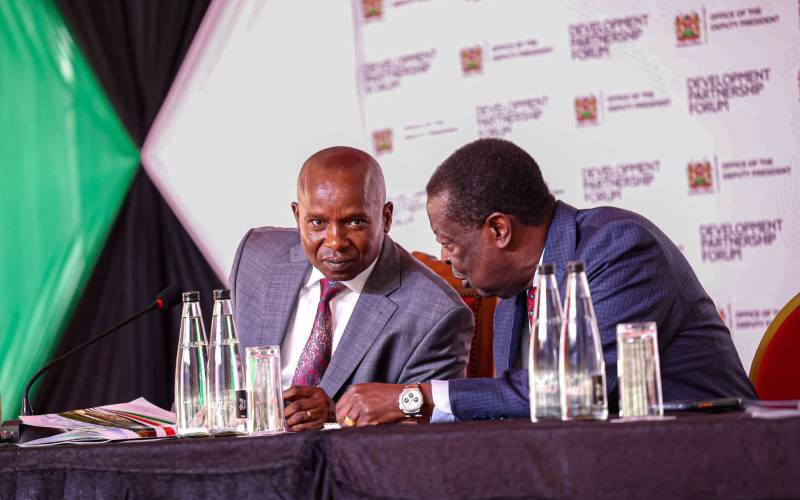
Floods, landslides and disruption to national examinations are among the risks the government is preparing for as Kenya braces for above-normal rainfall between October and December, Deputy President Kithure Kindiki has said.
Kindiki said the government had established a multi-agency team to coordinate preparations and reduce the risk of deaths, property destruction and disruption during the rainy season.
“We have put in place measures to minimise loss of lives and destruction of property during the rainfall season,” Kindiki said during the 15th Development Partnership Forum in Karen, Nairobi on Wednesday, September 16.
The preparations include clearing and unclogging drainage systems, mapping flood hotspots and identifying areas where residents may need to evacuate.
Authorities are also removing structures built along riparian land in areas vulnerable to flooding.
The government is pre-positioning relief supplies, issuing public health advisories and strengthening early warning systems to ensure communities receive information about emerging risks in time.
The plan brings together national and county governments, security agencies, health workers and other organisations involved in disaster response.
Emergency response vehicles and equipment will be deployed to areas at risk, with National Government Administration Officers (NGAOs) expected to coordinate response efforts with county governments, the Kenya Red Cross Society and the National Drought Management Authority (NDMA).
The government is also putting contingency measures in place in the education sector as the forecast rains are expected to coincide with national examinations.
The rainfall could trigger flooding, landslides, strong winds and lightning, particularly in areas already identified as vulnerable.
Kindiki appealed to development partners to provide additional support to strengthen the country's preparedness and response capacity.
The Kenya Meteorological Department has forecast a high likelihood of above-normal rainfall between October and December, with the effects potentially extending into early 2027.





Subscribe to our newsletter and stay updated on the latest developments and special offers!







 join
join