×

The Standard e-Paper
Kenya’s Boldest Voice
 The Standard Group Plc is a
multi-media organization with investments in media platforms spanning newspaper
print operations, television, radio broadcasting, digital and online services. The
Standard Group is recognized as a leading multi-media house in Kenya with a key
influence in matters of national and international interest.
The Standard Group Plc is a
multi-media organization with investments in media platforms spanning newspaper
print operations, television, radio broadcasting, digital and online services. The
Standard Group is recognized as a leading multi-media house in Kenya with a key
influence in matters of national and international interest.

Audio By Vocalize
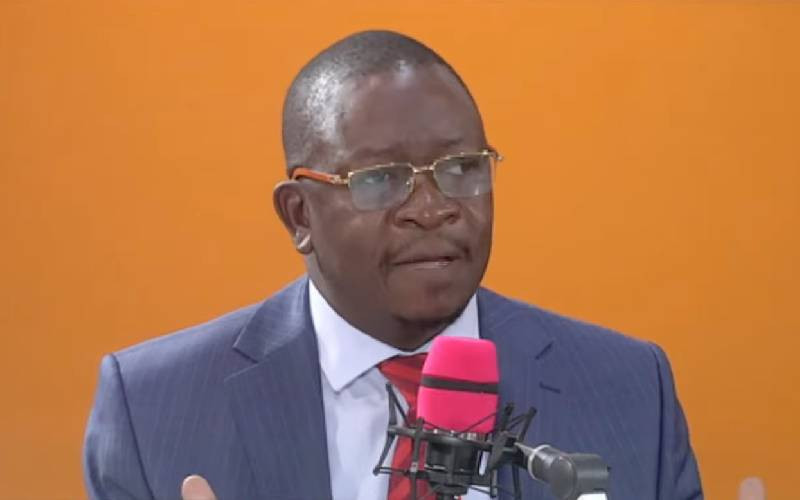
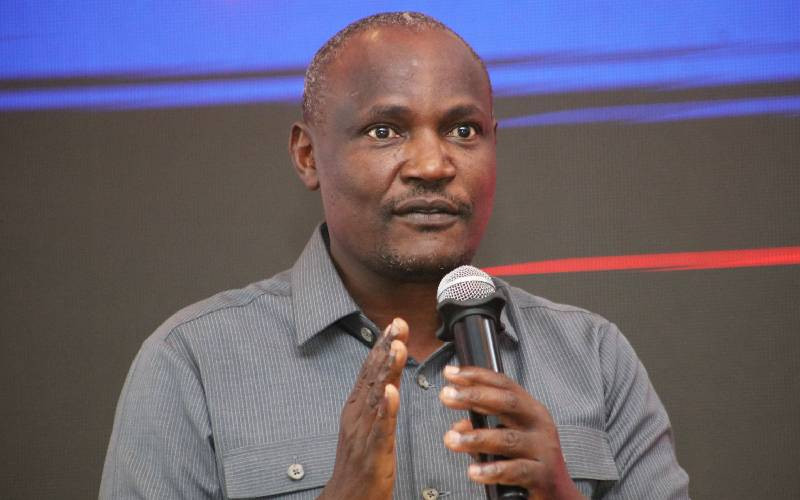
The government must help Kenya heal the wounds of the 2007-08 post-election violence (PEV) and restore public confidence ahead of the 2027 General Election, security analyst Erick Okeyo has cautioned.
Okeyo, a security and governance expert, said successive governments since the administration of the late President Mwai Kibaki had a duty to pursue justice for victims of the violence.
Speaking on Spice FM on Wednesday, August 12, Okeyo said political rhetoric ahead of the 2027 election resembles the language used before the violence that left more than 1,000 people dead and displaced hundreds of thousands.
He said Kenya had not fully healed because justice had not been served, pointing to killings and disappearances involving witnesses in cases linked to the International Criminal Court (ICC).
President William Ruto and his predecessor Uhuru Kenyatta were among six Kenyans who faced cases at the ICC over the violence. The other suspects were Mohamed Hussein Ali, Joshua Arap Sang, Francis Muthaura and Henry Kosgey.
Okeyo criticised the Kenya Kwanza administration and investigative agencies for failing to act against politicians whose remarks he said could fuel violence.
“They [politicians] are the fuel that will burn the country,” warned Okeyo.
He questioned the repeated calls by some politicians for Ruto to secure a second term, saying such statements could undermine confidence in the electoral process.
“What is the need of polls if Ruto must be voted back to office?” he asked.
Okeyo said such remarks create suspicion among voters about the credibility of election results.
He also criticised Interior Cabinet Secretary Kipchumba Murkomen and other officials in the ministry over remarks he said did little to reassure Kenyans about security.
“It is like he [Murkomen] dreams about Gachagua because he speaks about him every day forgetting to speak about how to secure the country,” observed Okeyo.
He called on security chiefs and Interior Ministry officials to tour the country with the National Cohesion and Integration Commission (NCIC) to promote peace before the 2027 election.
Okeyo also questioned the government's spending priorities at a time when Kenyans face a high cost of living and increased taxes.
Stay informed. Subscribe to our newsletter
He said people involved in violence should face criminal charges, accusing the government of allowing groups of youths to operate with impunity.
The security analyst also raised concerns about police deployment during the 2027 election.
He estimated that Kenya could have 46,000 polling stations, with two police officers assigned to each station, and questioned whether the deployment would provide enough security for voters and election materials.
Okeyo said declining public confidence in the electoral process could push voters to remain at polling stations to guard their votes, as residents did during the recent Ol Kalou by-election.
“It is because the confidence level of Kenyans has gone,” he said.
He also questioned public confidence in the police after Director of Criminal Investigations Mohamed Amin disclosed details of the killing of Dr Victoria Mutiso.
Okeyo said the case raised questions about whether police officers trained using public funds could be trusted to protect citizens if some were involved in killings.
“Did you see the pattern, all the three police officers belong to a single ethnic community, that is very serious because in the mind of the country fear will be getting into a particular sphere,” he observed.
Okeyo challenged Ruto to set a tone of peace during his campaigns and call his supporters to order.
“The 2027 elections will be peaceful if the government sets a tone of peace and accepts the will of the people,” Okeyo said.




Subscribe to our newsletter and stay updated on the latest developments and special offers!








 join
join