×

The Standard e-Paper
Stay Informed, Even Offline
 The Standard Group Plc is a
multi-media organization with investments in media platforms spanning newspaper
print operations, television, radio broadcasting, digital and online services. The
Standard Group is recognized as a leading multi-media house in Kenya with a key
influence in matters of national and international interest.
The Standard Group Plc is a
multi-media organization with investments in media platforms spanning newspaper
print operations, television, radio broadcasting, digital and online services. The
Standard Group is recognized as a leading multi-media house in Kenya with a key
influence in matters of national and international interest.

Audio By Vocalize

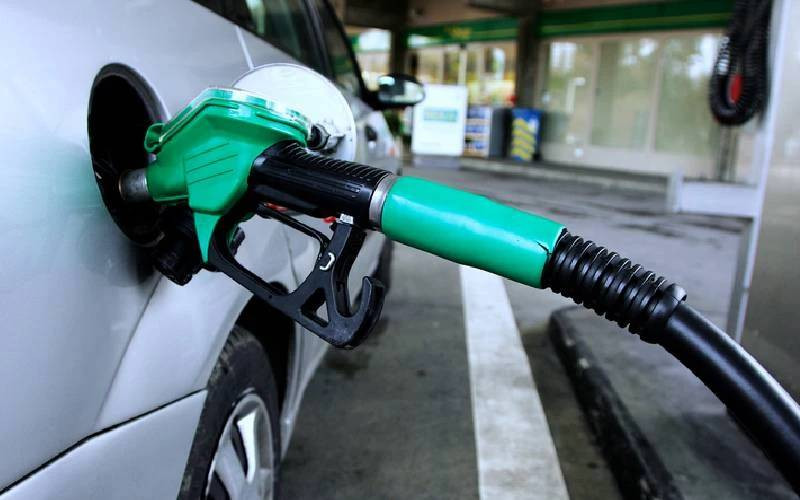
Kenyans have been pushed to the edge by runaway fuel prices that continue to trigger pain across every sector of the economy. From the boda boda riders to the farmer, struggling mama mboga, and manufacturers battling rising costs, the burden is unbearable.
Yet those entrusted with protecting citizens are offering more excuses than solutions. Fuel is the lifeblood of the economy, and when prices rise, everything else follows. Transport fares shoot up overnight, making food prices climb without warning. Electricity becomes more expensive.
The cost of producing goods escalates, forcing businesses to pass the burden to consumers. The cycle of inflation, shrinking incomes, and growing desperation continues. More painful is that Kenyans are paying far more than citizens in neighbouring countries, despite being a regional economic hub.
This raises questions about transparency, taxation, and the hidden interests thriving in the petroleum sector. Every increase announced by the Energy and Petroleum Regulatory Authority is accompanied by technical explanations that mean little to ordinary wananchi struggling to put food on the table.
The government cannot continue hiding behind global oil prices while refusing to confront local inefficiencies, excessive taxation, and alleged cartels that have long manipulated the sector. Taxes and levies now form a significant portion of the pump price. Instead of cushioning citizens during difficult economic times, authorities seem determined to squeeze every last coin from taxpayers.
The collapse of transparency in fuel importation and pricing mechanisms has only deepened public distrust. Kenyans deserve honest answers. Why are fuel prices still painfully high even when global crude prices stabilise? Why are middlemen and questionable deals allowed to dictate the fate of millions? Why is there little urgency in reducing the cost of living when citizens are visibly drowning?
The consequences are evident with businesses closing while transport operators increase fares. Farmers are paying more to move produce to markets, leading to expensive food. Young people relying on motorcycles for survival are watching profits disappear into fuel tanks. Families are forced to choose between transport, rent, school fees, and meals.
This crisis is not merely economic; it is social and political. A population weighed down by hopelessness and economic suffocation cannot remain patient forever. Leaders must understand that high fuel prices are fueling anger, frustration, and disillusionment across the country.
What Kenyans need now is bold action, not endless rhetoric. The government must urgently review punitive taxes on petroleum products, dismantle cartels, enhance accountability in fuel procurement, and prioritise the welfare of citizens over revenue collection.
A nation cannot prosper when its people spend most of their earnings trying to move.






Subscribe to our newsletter and stay updated on the latest developments and special offers!








 join
join