×

The Standard e-Paper
Join Thousands Daily
 The Standard Group Plc is a
multi-media organization with investments in media platforms spanning newspaper
print operations, television, radio broadcasting, digital and online services. The
Standard Group is recognized as a leading multi-media house in Kenya with a key
influence in matters of national and international interest.
The Standard Group Plc is a
multi-media organization with investments in media platforms spanning newspaper
print operations, television, radio broadcasting, digital and online services. The
Standard Group is recognized as a leading multi-media house in Kenya with a key
influence in matters of national and international interest.

Audio By Vocalize
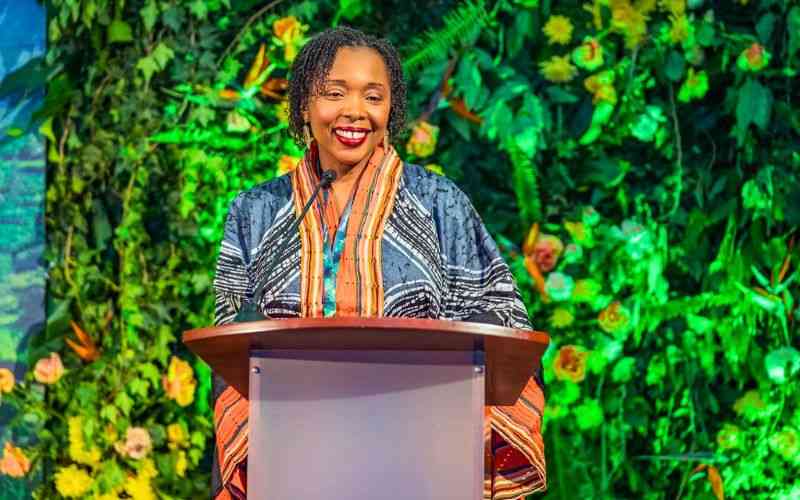
Africa is losing billions of dollars in potential income by exporting raw tree-based commodities while importing finished products, a practice experts say is preventing the continent from fully benefiting from its vast natural resources and slowing the growth of local industries.
The challenge dominated discussions among policymakers, scientists, investors and development leaders meeting in Nairobi, where attention focused on how trees, forests and agroforestry resources can be transformed into higher-value products, industries and jobs capable of driving green economic growth across the continent.
Speaking at the forum, Landscape Alliance Chief Executive Officer Dr Éliane Ubalijoro said Africa continues to surrender much of the value generated by commodities such as cocoa, coffee, timber, cashew and avocado by exporting them in raw form.
"We export the bean and import the chocolate. We export the nut and import the butter, oil and cosmetics. We export raw wood and import processed timber, furniture, packaging and construction materials. That is not a resource gap. It is a value-capture gap,’’ she said.
Ubalijoro said the continent's forests and trees should be seen as strategic assets capable of driving economic transformation.
"A tree is more than a natural asset. It is economic infrastructure. It is climate infrastructure. It is a source of food, medicine, materials, energy, enterprise and jobs," she said.
Describing the scale of the opportunity, she added, "This is a trillion-dollar opportunity for Africa."
The discussions centred on how African countries can retain more value from their biological resources by investing in innovation, manufacturing and processing industries rather than relying on exports of raw materials.
"The opportunity before us is to transform Africa's rich tree resources into higher-value products, enterprises and industries that benefit both people and nature," said Dr. Peter Minang, Director for Africa at Landscape Alliance.
He said stronger investment in value addition and innovation would not only create jobs and support local industries but also help countries generate greater returns from natural resources while advancing climate and biodiversity goals.

Kenya's Principal Secretary for Science, Research and Innovation, Prof Shaukat Abdulrazak, said Africa's challenge is no longer a lack of knowledge but the inability to convert research into commercial success.
"The focus must shift from what to how. Scientific knowledge must be translated into innovation, enterprise development, commercialization and industrial growth," he said.
Abdulrazak said Kenya is developing a National Bioeconomy Strategy to strengthen governance, technology transfer, investment and market development, creating an enabling environment for the sector.
The forum also highlighted growing opportunities in industries built around timber, bamboo, shea, gum arabic, moringa, neem and other tree-based products, as well as emerging markets for renewable materials, pharmaceuticals, cosmetics and biopesticides.
According to Ubalijoro, Africa's future prosperity will depend on its ability to build industries around the resources it already possesses.
Stay informed. Subscribe to our newsletter
"The future we need treats nature as the foundation of resilience, innovation and prosperity," she said.
She added that a tree-powered bioeconomy offers a pathway to growth that restores landscapes while creating jobs and strengthening food systems.
"If we get this right, Africa's trees, forests and agroforestry landscapes will do more than survive the climate crisis. They will help anchor a new era of shared prosperity for people, climate and nature,’’ she said.
She noted that unlocking the continent's bioeconomy potential will require stronger collaboration between governments, research institutions, investors, communities and the private sector, alongside investments in processing infrastructure, financing and policy reforms that keep more value within African economies.
Subscribe to our newsletter and stay updated on the latest developments and special offers!


 Prefer the Standard on Google








 join
join