×
App Icon
The Standard e-Paper
Kenya’s Boldest Voice
★★★★ - on Play Store
Download App

PwC takes control of collapsed Koko as State remains silent

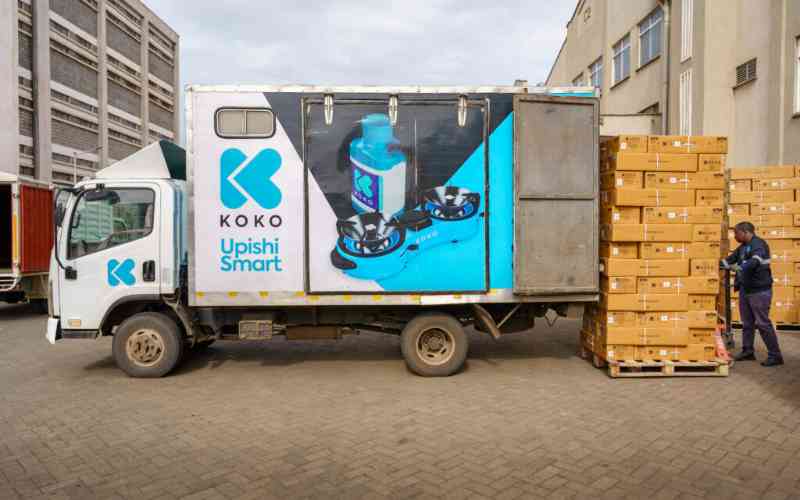
Koko’s model‌ depend‌ed​ heavily o‌n carbo‌n finance. By​ selling coo‍ksto⁠ve cr⁠edits abroad, the company subs‌idised bi‍oethanol‍ fuel at home, making it cheaper than‌ charcoal and kerosene. [Koko Networks]

The PricewaterhouseCoopers (PwC) has formally assumed control of the troubled clean-cooking start-up Koko Networks, administrators said Wednesday, as government officials remained silent on the regulatory dispute that triggered the company’s collapse.

Joint administrators Muniu Thoithi and George Weru of PwC Kenya were appointed on February 1 to manage Koko Networks Limited and Koko Networks Global Services (Kenya) Limited, which are now in administration, a legal process designed to rescue a struggling company or wind it down in an orderly manner.

“Notice is hereby given that Messrs Muniu Thoithi and George Weru of PricewaterhouseCoopers Limited were appointed the Joint Administrators of Koko Networks Limited and Koko Networks Global Services (Kenya) Limited on February 1, 2026 by the Directors of the Companies,” said the administrators in a public notice. 

The notice confirmed that the administrators have “taken over control and management of the assets and affairs of the Companies.” All operational matters must now be directed to PwC, and creditors have 14 days to submit claims for verification and inclusion on the company’s roll, a formal list of validated debts.


“The primary objective of administration proceedings under the Insolvency Act is to allow Administrators -- licensed insolvency practitioners, to explore ways of rescuing the company as a going concern where feasible, or achieving a better outcome for the creditors of the company than would be in the case of a liquidation.”

“With their appointment, the Administrators have taken over control and management of the assets and affairs of the companies. Moving forward, all matters, operational or otherwise, pertaining to the affairs of the companies shall be directed to the Administrators or their authorised representatives,” the official notice of appointment added.

This means PwC’s team will assess whether any part of the business can be saved or if its assets must be sold to pay creditors, aiming for a better outcome than an immediate, piecemeal liquidation.

The startup’s fall into administration followed a critical impasse with the government. Koko Networks had said its business model relied on selling carbon credits from its bioethanol cooking fuel. However, it accused President William Ruto-led government of failing to provide final “letters of authorisation,” blocking these sales to international compliance markets and cutting off a vital revenue stream.

Despite the severity of the allegations, which threaten Kenya’s reputation as a green investment hub, key government ministries and regulators have remained tight-lipped. Requests for comment from the Ministry of Trade and Investment, the Energy and Petroleum Regulatory Authority and the National Environment Management Authority went unanswered.

The company’s corporate records, seen by The Standard, list its directors as Sagun Saxena, Gregory Christopher Murray, Nicholas Mark Philip Stokes and US national Matthew Brian Schiller. John Kiumi Wambugu served as company secretary.

The shareholder structure is dominated by its Mauritius-based holding entity, Koko Networks Limited, which holds a majority of preferential shares. “The Joint Administrators act on behalf of the Companies without any personal liability,” the notice clarified, a standard legal provision insulating the appointed practitioners from personal financial risk as they execute their duties.

The collapse of the venture, which had invested over $300 million (Sh38.6 billion) and served close to 1.3 million low-income households with subsidised fuel, delivers a sharp blow to Ruto’s vigorous international promotion of Kenya as a leader in climate finance and green industry.