×

The Standard e-Paper
Stay Informed, Even Offline
 The Standard Group Plc is a
multi-media organization with investments in media platforms spanning newspaper
print operations, television, radio broadcasting, digital and online services. The
Standard Group is recognized as a leading multi-media house in Kenya with a key
influence in matters of national and international interest.
The Standard Group Plc is a
multi-media organization with investments in media platforms spanning newspaper
print operations, television, radio broadcasting, digital and online services. The
Standard Group is recognized as a leading multi-media house in Kenya with a key
influence in matters of national and international interest.

Audio By Vocalize
A task force instituted to establish the cause of the disparity in the tea prices has recommended a reduction of the production costs, among other radical interventions.
The Tea Pricing Inquiry Committee also recommends an independent audit on adherence and compliance with the law on the licensing of factories by the Tea Board of Kenya (TBK).
The 132-page report faults the tea factories for not replacing dilapidated and inefficient machines to ensure better performance, reduce costs, and increase efficiency.
The report outlines that the quality of tea in the east of the rift is determined by altitude, soil, climate, and rains, among other factors, compared to the west of the rift.
The west of the rift is characterised by the hawking of green leaf, old tea clones, and large volumes of green leaf against the limited factories, among other concerns.
“The factories had dilapidated and inefficient machines, and labour costs where services are outsourced, yet personnel are employed to perform the same roles, and transport costs (wear and tear, outsourcing of vehicles),” read part of the report seen by The Standard.
It calls for the amendment of the Tea Act, 2020, to conform to the growth and development of the tea industry.
The TBK has mandated audits of the expensive hydropower projects that are ongoing in the West of the Rift with a view to establishing the approved budget, the amount spent, and the project's completion dates.
The task force calls reforms in all factories through cost reduction, prudent credit management, and adherence to logically profitable investment decisions.
In the marketing of the tea, the government was tasked to make efforts to market Kenyan tea in all parts of the world and open up new markets.
The tea factories asked to explore direct sales of their teas as opposed to relying on the Mombasa Tea Auction as the main way of selling their teas, as the Ministry of Agriculture engaged the Kenyan missions in marketing the produce abroad.
The visit across the factories raised concerns ailing the sector, including the negative politics, lack of value addition, lack of full automation, academic qualification of the directors, and continuous subdivision leading to uneconomical units, among others.
The regulator is mandated to develop mechanisms to ensure factories adopt quality-based handling and processing of tea, benefit from their effort, and allow the stakeholders to interact and exchange ideas.
Several factories are riddled by severe cash flow constraints, leading to an inability to pay a standing loan of Sh10.3 billion as of June 30 within a stipulated one year.
“There were no board resolutions on the lending and borrowing, as the arrangements are done at the KTDA head office,” the report read.
Stay informed. Subscribe to our newsletter
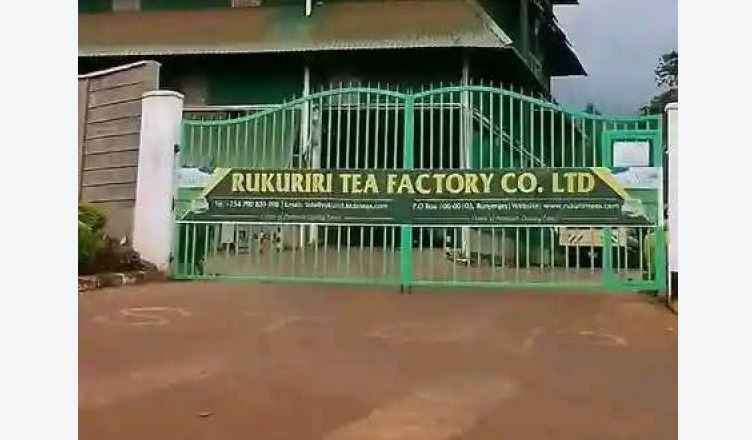
At the Rukuriri and Gacharage factories, the report outlined that there is good post-harvest leaf management, cool weather conditions, suitable soils for tea farming, and supportive and enlightened tea farming.
“The farmers are not allowed to submit tea to the factory except tea plucked on the same day. The factory and farmers did not allow green leaf hawking with timely application of the fertilisers,” stated the report.
Farmers from the west of the rift alleged that the auction system is riddled with corruption, manipulation, and a lack of farmer representation.
Subscribe to our newsletter and stay updated on the latest developments and special offers!











 join
join