×

The Standard e-Paper
Kenya’s Boldest Voice
 The Standard Group Plc is a
multi-media organization with investments in media platforms spanning newspaper
print operations, television, radio broadcasting, digital and online services. The
Standard Group is recognized as a leading multi-media house in Kenya with a key
influence in matters of national and international interest.
The Standard Group Plc is a
multi-media organization with investments in media platforms spanning newspaper
print operations, television, radio broadcasting, digital and online services. The
Standard Group is recognized as a leading multi-media house in Kenya with a key
influence in matters of national and international interest.

Audio By Vocalize
In Kenya, as in many other countries, healthcare often begins long before a patient reaches a clinic or hospital. It begins at home, in schools and workplaces, in pharmacies and communities, and in the everyday decisions people make when they notice a symptom, manage a condition or try to stay well.
That is why self-care matters. Not as a wellness luxury, and not as a substitute for professional care, but as the first mile of healthcare.
As Kenya advances its healthcare transformation and universal health coverage agenda, this first mile deserves more attention. Hospitals, clinics and healthcare workers remain indispensable, but a more preventive, accessible and resilient health system will also depend on how well people are supported to manage their everyday health needs confidently and responsibly.
The World Health Organisation defines self-care as the ability of individuals, families and communities to promote and maintain health, prevent disease, and cope with illness or disability, with or without the support of a health worker. Properly understood, self-care does not sit outside the healthcare system. It is one of the ways people engage with it earlier, more regularly and more practically.
That means maintaining good nutrition, protecting sleep, staying active, managing stress, practising good oral hygiene, monitoring symptoms and seeking trusted advice before using a medicine, whether from a community health worker or another qualified healthcare professional. It also means knowing when self-care is not enough, when symptoms persist, worsen or require medical attention.
This distinction is important because self-care is still often misunderstood. It is sometimes presented as an individual responsibility in isolation or confused with self-diagnosis and the unsupervised use of medicines. Responsible self-care is neither. It is about informed action: understanding health needs, recognising early warning signs, making safe choices and seeking professional support when necessary.
This year’s Self-Care Month theme, “Self-Care puts your health in your hands: Test. Track. Thrive.”, is a useful reminder of what responsible self-care looks like in practice.
“Test” is about knowing where you stand, whether through recommended health checks, understanding personal risk factors or seeking advice early rather than ignoring symptoms.
“Track” is about paying attention to changes in sleep, pain, breathing, mood, energy or medicine use. These patterns can provide important signals, and even a simple written record can support better conversations with a healthcare professional.
“Thrive” is about turning that awareness into realistic, sustainable habits that support better health over time.
This message is especially relevant in Kenya during July, when colder weather can contribute to seasonal respiratory illness and place added pressure on families and health services. In moments like these, responsible self-care can support prevention and earlier action through good hand hygiene, adequate rest, hydration, appropriate symptom management and timely professional care when warning signs appear.
But putting health into people’s hands must not mean leaving them to navigate it alone. For self-care to strengthen the first mile of healthcare, it must be supported by health literacy, trusted advice and clear pathways into formal care when needed.
Pharmacists have a particularly important role to play. As some of the most accessible healthcare professionals in many communities, they can help people understand symptoms, use medicines correctly and know when referral is needed. Stronger links between individuals, pharmacists, community health workers and the wider health system can make self-care safer, more effective and more connected.
Stay informed. Subscribe to our newsletter
For Kenya, this matters not only at the individual level, but at the system level too. When people are better equipped to understand everyday health needs, take early action and use appropriate consumer health products responsibly, they are more likely to prevent minor issues from becoming more serious and to seek care at the right time. That supports better outcomes for individuals and helps reduce avoidable pressure on formal health services.
For Haleon, the responsibility is clear. As a leader in consumer health, we have a role to play in making everyday health more understandable, inclusive and actionable. That means supporting health literacy, encouraging the responsible use of trusted consumer health solutions, and working with pharmacists and healthcare partners to ensure that empowerment is matched by guidance.
Kenya’s health transformation will not be achieved through infrastructure and policy alone. It will also depend on a population that is better equipped to make informed decisions, act early and engage confidently with the first mile of healthcare.
Self-care is healthcare at its earliest and most everyday point of action. When practised responsibly, supported by trusted guidance and connected to formal care when needed, it can become one of the foundations of a more preventive, accessible and resilient health system in Kenya and beyond.
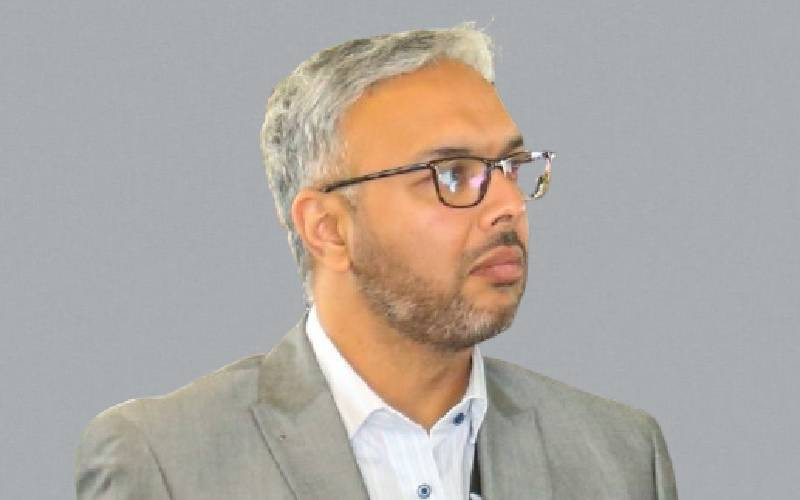
The writer is the General Manager, Haleon Sub-Saharan Africa
Subscribe to our newsletter and stay updated on the latest developments and special offers!

 Prefer the Standard on Google








 join
join