×

The Standard e-Paper
Join Thousands Daily
 The Standard Group Plc is a
multi-media organization with investments in media platforms spanning newspaper
print operations, television, radio broadcasting, digital and online services. The
Standard Group is recognized as a leading multi-media house in Kenya with a key
influence in matters of national and international interest.

Audio By Vocalize
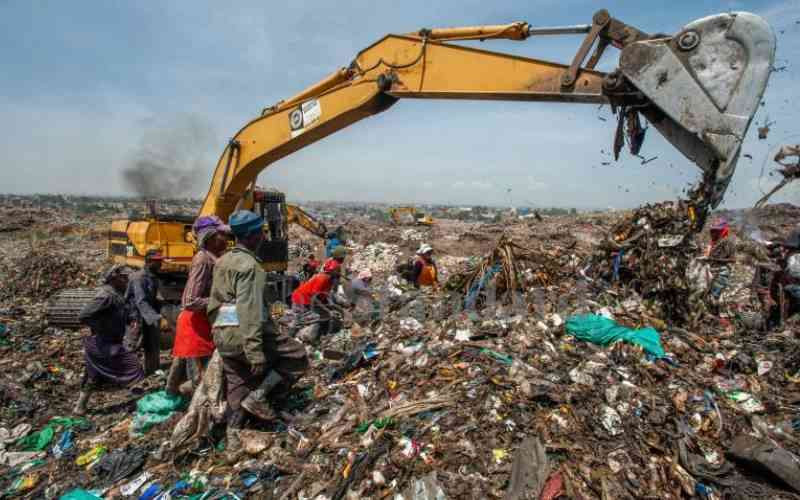
Friends, let’s imagine together. Now imagine waking up tomorrow, walking to your nearest river, and discovering that the water sustaining your family is slowly destroying your health. Imagine raising children under these circumstances for eleven years. Eleven!
Then imagine being a wild animal, drinking from that same river, unable to explain your pain or seek justice.
This is the tragedy of Thange in Makueni County. In May 2015, petroleum leaked from a Kenya Pipeline Company pipeline, contaminating an environment on which thousands of lives depended. I became involved shortly after the incident. The fact that communities are still pleading for justice today should disturb every Kenyan with a conscience.
On November 2 this year, findings presented to the Senate revealed that 61 per cent of 229 residents examined had medical abnormalities involving vital body systems. Petroleum residues were reportedly detected in soil and water. While individual illnesses require scientific attribution, these findings demand urgent intervention.
Governor Mutula Kilonzo Junior deserves recognition for consistently pursuing this matter. On November 19, he presented water samples to senators, raising renewed concerns about ongoing contamination.
In July 2025, the Environment and Land Court awarded approximately Sh2.119 billion in damages to 3,075 petitioners, including Sh250 million in punitive damages. Execution was subsequently stayed on appeal. The court also provided for Sh900 million for environmental restoration if the restoration order is not fulfilled.
We must respect judicial processes. And, importantly, the provision of safe drinking water and appropriate medical assistance need not await the conclusion of litigation. NO!
The court awarded Sh225 million for livestock losses. I now ask: who has quantified the losses to nature?
Who represents the fish, birds, insects, and wild animals that cannot appear before the Senate? Who accounts for the microorganisms that sustain soil fertility or the wildlife that may be exposed to contaminated water? Their inability to complain does not absolve us of responsibility. Nature’s silence must never be mistaken for the absence of suffering.
Through the Green Africa Foundation, I propose that Kenya establish what we could call the Thange Principle, anchored in Article 42 of our Constitution, which guarantees the right to a clean, healthy environment.
First, industries undertaking environmentally hazardous operations should maintain independently assessed financial guarantees sufficient to address foreseeable disasters. Parliament must strengthen enforcement of environmental deposit bond requirements to ensure restoration money is available when tragedy strikes.
Second, affected communities must receive immediate humanitarian assistance, followed by appropriate compensation for proven losses. Where warranted by law, punitive damages must be substantial enough to discourage negligence. Pollution must never become an economically attractive alternative to prevention.
Third, environmental restoration must be independently verified. Paying compensation without restoring ecosystems is like treating a patient while leaving the cause of illness untouched. Wildlife assessments, groundwater testing, soil rehabilitation, and long-term medical surveillance must become integral to recovery programmes.
Fourth, corporate boards and regulators must publicly account for their actions. Environmental compliance should carry consequences comparable to those for financial misconduct. Institutions cannot celebrate profitability while communities bear the impacts of industrial operations.
Stay informed. Subscribe to our newsletter
Finally, environmental accountability must extend across generations. Where contamination persists, obligations for monitoring and restoration must endure changes in management, ownership, and government. A child who will experience the consequences tomorrow deserves the same protection as an adult seeking justice today.
Green Africa Foundation stands ready to pursue appropriate parliamentary and judicial avenues, working alongside affected communities and their representatives, to advance these principles.
Let there be no misunderstanding about this intervention. Kenya needs industries, infrastructure, and investment. But development that sacrifices human dignity and ecological integrity ultimately undermines the prosperity it promises. If Thange were in one of our wealthiest neighbourhoods, would we have tolerated eleven years of uncertainty? Surely...
A century from now, may our descendants remember Thange as the tragedy that changed how Kenya protects people and nature. No life is worth less because of a postcode, a bank balance or distance from power. Industry must prosper responsibly, communities must live with dignity and wildlife must have defenders. Justice must not expire.
Think green, act green!
Subscribe to our newsletter and stay updated on the latest developments and special offers!

 Prefer the Standard on Google