×

The Standard e-Paper
Stay Informed, Even Offline
 The Standard Group Plc is a
multi-media organization with investments in media platforms spanning newspaper
print operations, television, radio broadcasting, digital and online services. The
Standard Group is recognized as a leading multi-media house in Kenya with a key
influence in matters of national and international interest.
The Standard Group Plc is a
multi-media organization with investments in media platforms spanning newspaper
print operations, television, radio broadcasting, digital and online services. The
Standard Group is recognized as a leading multi-media house in Kenya with a key
influence in matters of national and international interest.

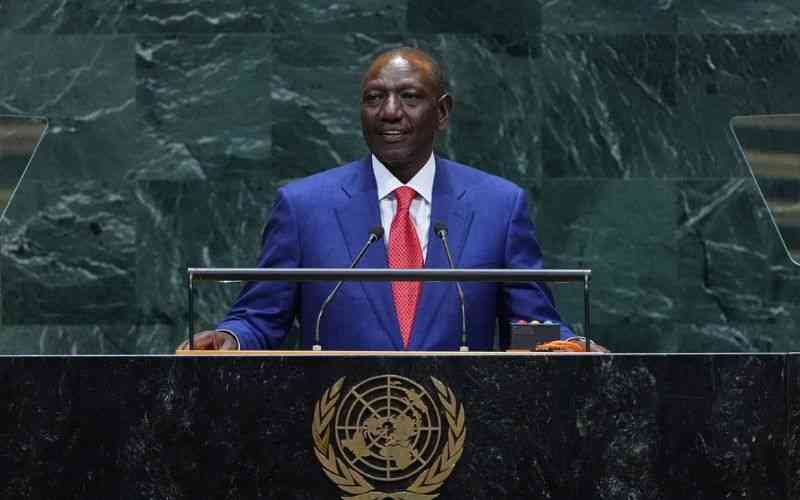
The government's new taxation measures have raised a hue and cry from the day the Finance Bill 2023 was tabled in Parliament. The public anger went up sharply when President William Ruto signed it into law in June. Despite the Finance Act's suspension by the court, some of its provisions have already been implemented by the government such as the 16 per cent value added tax on fuel, which has increased the cost of living significantly.
One of the reasons cited for the tax measures is the stringent conditions set out by the International Monetary Fund (IMF) for it to lend money to the government, which is severely short of cash and is struggling to even pay public sector salaries on time. The IMF, by its own pronouncements, believes that there is more room for the government to increase its revenues; more so by removing tax exemptions and subsidies - notwithstanding that most of these subsidies have been used to cushion the vulnerable segments of the population. While not all of them worked as intended, they reduced the financial burden on the low-income population.
Subscribe to our newsletter and stay updated on the latest developments and special offers!

 Prefer the Standard on Google








 join
join