×

The Standard e-Paper
Join Thousands Daily
 The Standard Group Plc is a
multi-media organization with investments in media platforms spanning newspaper
print operations, television, radio broadcasting, digital and online services. The
Standard Group is recognized as a leading multi-media house in Kenya with a key
influence in matters of national and international interest.
The Standard Group Plc is a
multi-media organization with investments in media platforms spanning newspaper
print operations, television, radio broadcasting, digital and online services. The
Standard Group is recognized as a leading multi-media house in Kenya with a key
influence in matters of national and international interest.
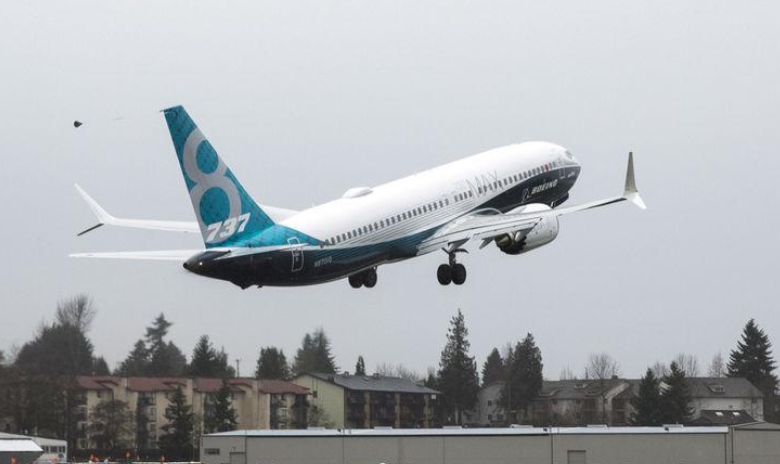
US and European regulators knew at least two years before a Lion Air crash that the usual method for controlling the Boeing 737 MAX’s nose angle might not work in conditions similar to those in two recent disasters, a document shows.
The European Union Aviation Safety Agency (EASA) certified the plane as safe in part because it said additional procedures and training would “clearly explain” to pilots the “unusual” situations in which they would need to manipulate a rarely used manual wheel to control, or “trim,” the plane’s angle.

Subscribe to our newsletter and stay updated on the latest developments and special offers!










 join
join