×

The Standard e-Paper
Join Thousands Daily
 The Standard Group Plc is a
multi-media organization with investments in media platforms spanning newspaper
print operations, television, radio broadcasting, digital and online services. The
Standard Group is recognized as a leading multi-media house in Kenya with a key
influence in matters of national and international interest.
The Standard Group Plc is a
multi-media organization with investments in media platforms spanning newspaper
print operations, television, radio broadcasting, digital and online services. The
Standard Group is recognized as a leading multi-media house in Kenya with a key
influence in matters of national and international interest.
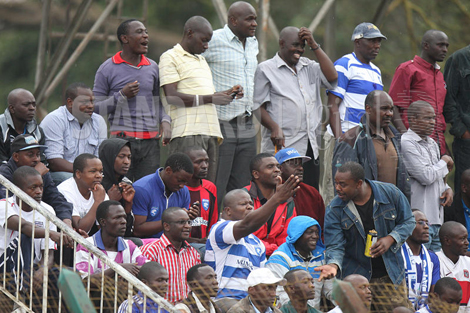 |
Is clanism the cause of AFC Leopards dismal performance this season?
Perturbed by the behavior of unruly Ingwe fans during their Gotv Shield semis against Sofapaka, former Leopards defender Jonas Nahimana revealed (via video message) that clan inclinations might tear the club apart.
"I know right now things are not going so well for the team but I want to address you the fans – AFC fans....,'' said Nahimana.
"When I joined AFC, the first thing I knew about the club was the name AFC – Abaluhya Football Club; a team that was bringing all Luhyas together but right now when I go to the social media where you guys interact, I realise that you guys are divided.
"There is a side for Maragolis, another for Bukusus or something like that. I didn't know about that before and you guys have to unite. I remember a time when there was a discussion that Maragolis are better than Bukusus and when the team lost that it was because of Bukusus or Maragolis and when the team won it was vice versa. That's very bad. You need to be united. Once you are united, nothing can put you down."
Situma's car pelted with stones
Subscribe to our newsletter and stay updated on the latest developments and special offers!







 join
join