×

The Standard e-Paper
Join Thousands Daily
 The Standard Group Plc is a
multi-media organization with investments in media platforms spanning newspaper
print operations, television, radio broadcasting, digital and online services. The
Standard Group is recognized as a leading multi-media house in Kenya with a key
influence in matters of national and international interest.

Audio By Vocalize
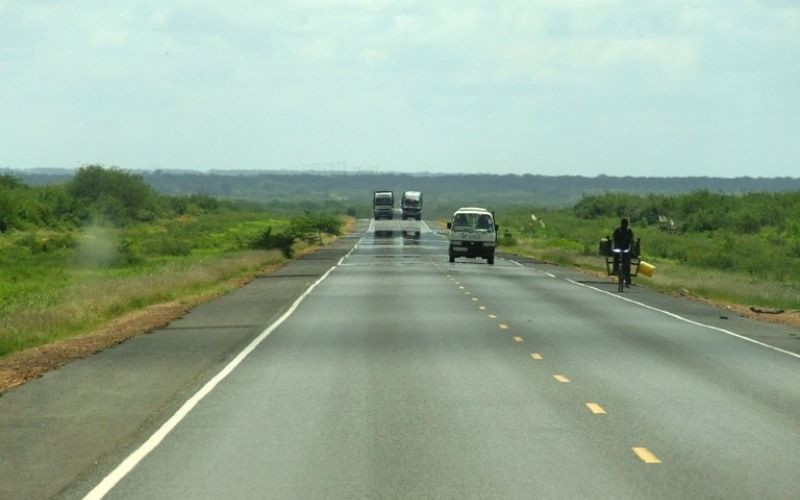
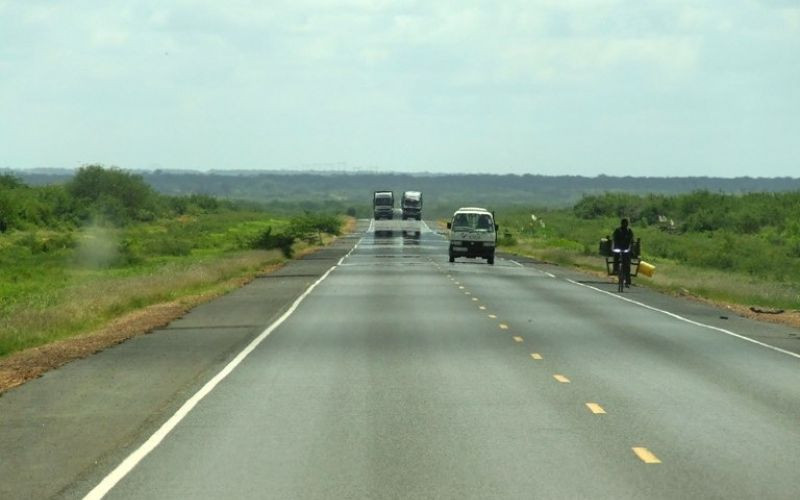
It’s been a long time since I took the 500-kilometre (km) trip to Mombasa from the capital city. I recently did that, and it took almost 10 hours with minimal stops.
The most noticeable difference this time is the number of trucks; they seem to have increased despite the construction of the standard gauge railway (SGR). This makes overtaking risky and contributed to the 10 hours.
If you take 10 hours for 486 kilometres, that is an average of about 50km per hour (kph), way below the speed limit of 80 kph. Simply put, you keep pace with trucks. In other parts of the world, trucks are not that slow.
Add the intimidation by truck drivers who force you off the road while overtaking. I noted trucks are faster going to Mombasa, suggesting emptiness. Mombasa cement trucks are many. Where was the cement going? Don’t we have enough around Athi River?
The road to Mombasa has some climbing lanes, but that is not enough. We need to dual the 100-year-old road, built six years after Kenya became a colony.
Before then, a trip to Nairobi took you through Arusha, then Namanga. Maybe I should try that route and avoid trucks; it could be faster and more scenic.
Is this congestion the reason SGR is offering car freight service? Many drivers would pay for their car to “ride on rail. Add our obsession with cars.
It’s cheaper if you consider wear, tear and safety. That used to be common in Europe. Some have argued that such car freight will make drivers redundant, for those who go to pick up new cars in Mombasa. Economic adjustments are inevitable.
Does the Mombasa Road congestion also benefit airlines, who charge the “road avoidance premium”?
Why would dualling Mombasa Road make economic sense? Time wasted on the road is costly to the economy. The road will be safer too. That could lead to a reduction in the price of goods and services; someone pays for the time spent on the road.
Conspiracy theorists argue that dualling the road will affect Mombasa hotels; you drive to Mombasa, have your fun (raha) and drive back the same day, with no boarding.
Realists argue “too fast traffic” will reduce stops and the small towns will suffer economically; no stops for fuel and food. The same argument came up with SGR. The better solution is to design the new road with rest areas, where one can stop, eat, sleep, or just relax.
We adopted the US Constitution; why not their road design? Thinking broadly, the dual carriage road would have a positive spillover into the neighbouring countries. Are we not talking about faster economic growth and jobs?
Regional integration and efficient supply chains depend on a sustainable transport network. Where is the consortium that was to dual that road? What’s the progress? Why can’t we celebrate the centenary of the road by dualling it?
Stay informed. Subscribe to our newsletter
Subscribe to our newsletter and stay updated on the latest developments and special offers!


 Prefer the Standard on Google